
Uncovering the History Behind America’s Iconic Symbol
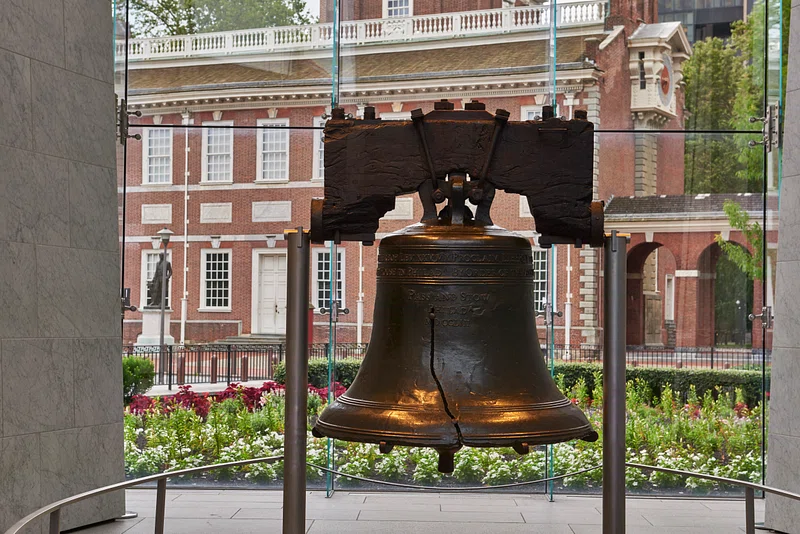
When visitors from around the globe come to Philadelphia, one iconic symbol consistently captures their curiosity—the Liberty Bell. While this renowned bell is most famously known for its crack, have you ever wondered exactly what the Liberty Bell is made of?
What is the Liberty Bell Made Of?
The Composition of the Liberty Bell
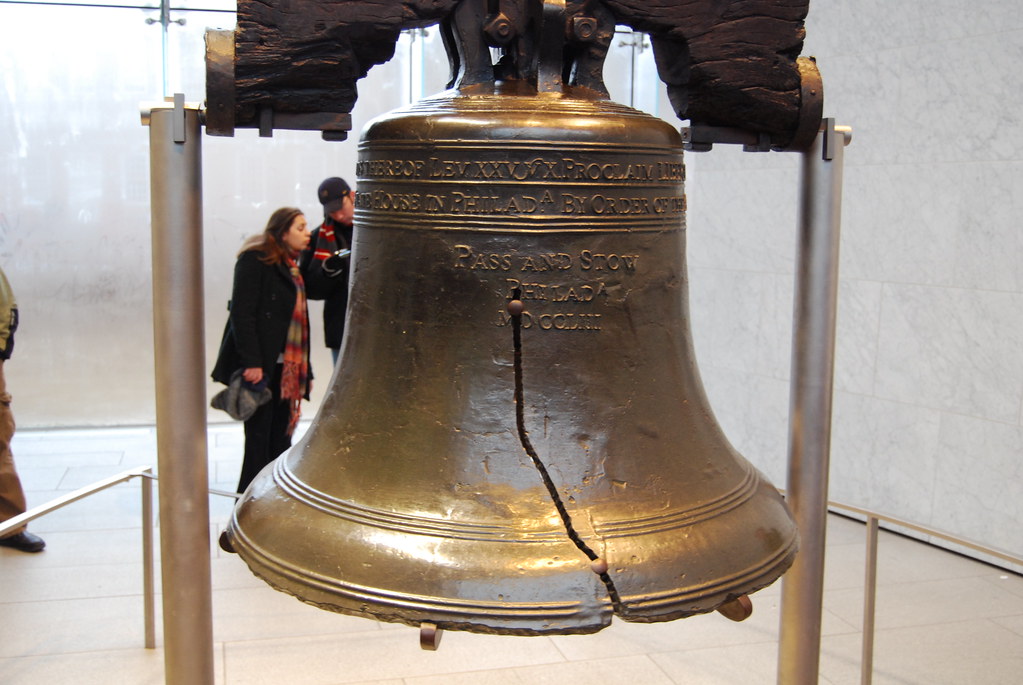
First cast in 1752, is primarily made of bronze, a sturdy yet resonant alloy composed of approximately 70% copper and 25% tin. The remaining 5% comprises small traces of metals such as lead, zinc, arsenic, gold, and silver, which collectively contribute to the bell’s distinct appearance and unique acoustic properties.
Crafting History: From England to America
Originally created by Whitechapel Bell Foundry in London, the bell arrived in Philadelphia only to crack during initial testing. Determined craftsmen John Pass and John Stow melted down and recast the bell locally, adjusting the metal alloy slightly to enhance durability. Despite their efforts, the bell cracked again—but this imperfection ultimately became part of its charm and symbolic strength.
The Significance of the Bronze Alloy
Why bronze? Historically, bronze was favored for bells due to its resonant quality and longevity. The precise copper-to-tin ratio chosen for the Liberty Bell was designed to provide clarity and powerful ringing tones. Unfortunately, repeated attempts at casting and adjusting the metal weakened its structural integrity, ultimately contributing to the iconic crack visible today.
The Crack Heard ‘Round the World
The Liberty Bell’s distinctive crack emerged gradually. Initially a minor fracture that compromised its sound, it was intentionally widened during an attempted repair in the 1840s, silencing the bell forever. Despite this silence, the bell resonates as powerfully as ever, symbolizing freedom, resilience, and America’s enduring ideals.
A Symbol Beyond Its Materials
Though bronze gives the Liberty Bell its physical presence, its true composition is deeply symbolic—crafted not just from metal but also from ideas of liberty, unity, and perseverance. Each element within its alloy tells part of the story, reflecting both the imperfections and strengths of the nation it represents.
Discover the Story Behind the Liberty Bell
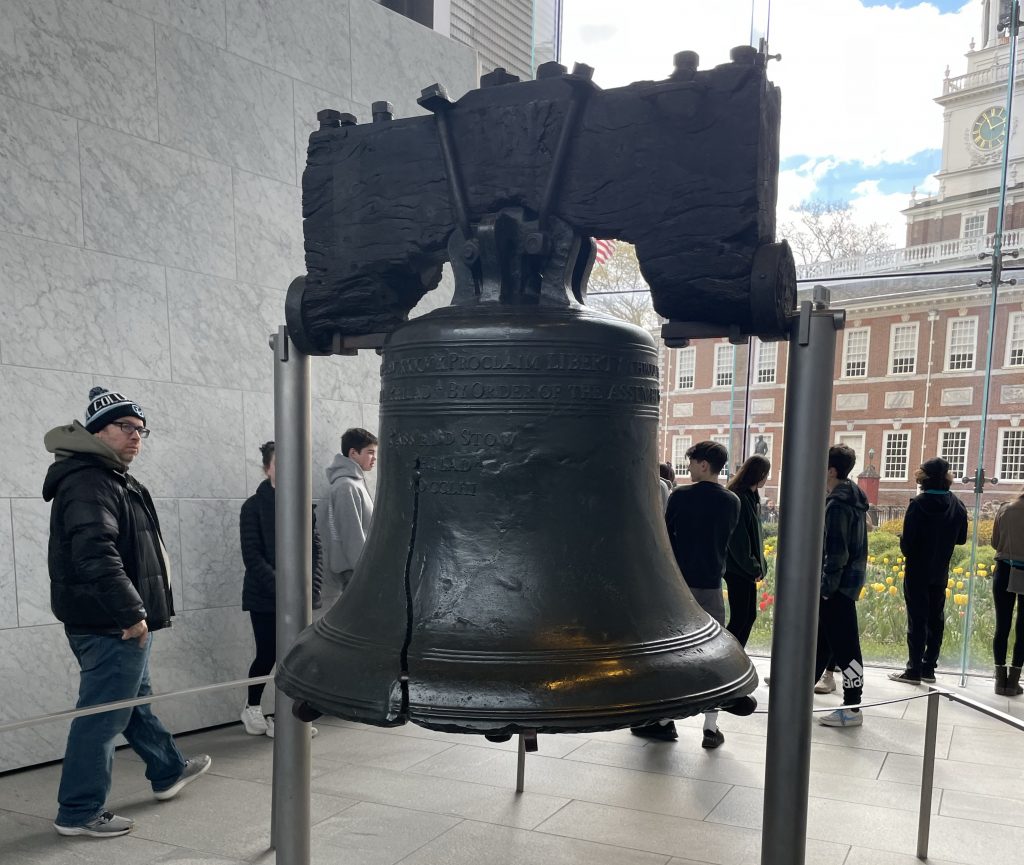
Learning what the Liberty Bell is made of adds a deeper meaning when you finally see it in person. If you’re ready to bring your students or group face-to-face with this powerful symbol, Landmark Educational Tours is here to help you create an unforgettable educational journey.
Let history come alive—contact us to begin planning your trip to Philadelphia!