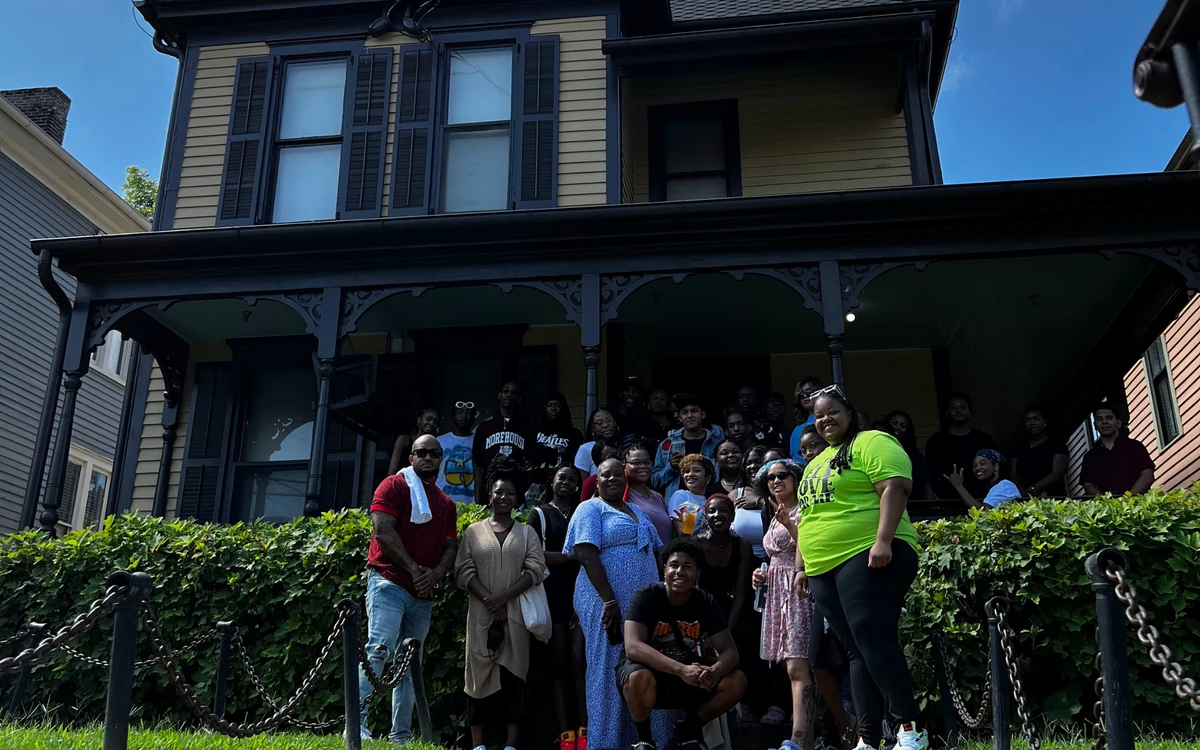
The best civil rights history trips for students are Atlanta, the Alabama corridor of Birmingham, Selma and Montgomery, Memphis, and Washington, D.C. Atlanta and Alabama are often combined, because the distance between them is short and the history runs continuously from one to the other.
These are places where the events happened, not places that explain them from a distance. That is the whole argument for taking students there.
The short version:
- Atlanta — Dr. King’s birth home, Ebenezer Baptist Church, the King Center
- Birmingham — 16th Street Baptist Church and Kelly Ingram Park
- Selma and Montgomery — the Edmund Pettus Bridge and a 54-mile route
- Memphis — the Lorraine Motel, now the National Civil Rights Museum
- Washington, D.C. — the Lincoln Memorial steps and the Smithsonian
- HBCU campuses — where much of the movement’s leadership was formed
Below is each one, what students see, and the practical details that decide whether the trip works. You can request a quote at no cost before committing to anything.
Civil Rights Trips at a Glance
| Item | Detail |
|---|---|
| The core destinations | Atlanta, Birmingham, Selma, Montgomery, Memphis and Washington, D.C. |
| The usual pairing | Atlanta with Alabama. The sites are close and the history is continuous |
| Strongest curriculum fit | U.S. history, civics and government, English, and college and career readiness |
| Typical trip length | Three days for one city; four or five to combine Atlanta and Alabama |
| The anchor site | Martin Luther King, Jr. National Historical Park in Atlanta, which holds the Birth Home, Ebenezer Baptist Church and the King Center |
| Often added | HBCU campus visits with admissions sessions, which change what students think is possible |
| Landmark programs | Atlanta and Alabama itineraries, plus an African American history tour of Washington, D.C. |
Atlanta: Where a Civil Rights Trip Usually Starts
Atlanta holds the most concentrated set of sites, and Martin Luther King, Jr. National Historical Park is the center of it.
Our guide to the King national historical park covers it site by site. The park takes in Dr. King’s Birth Home, Historic Ebenezer Baptist Church where he was baptized and later co-pastored, Fire Station No. 6, the visitor center, and The King Center with the tomb of Dr. and Mrs. King set in a reflecting pool.
The Birth Home is seen on free ranger-led tours, and Landmark arranges the timings so the visit fits the day rather than interrupting it.
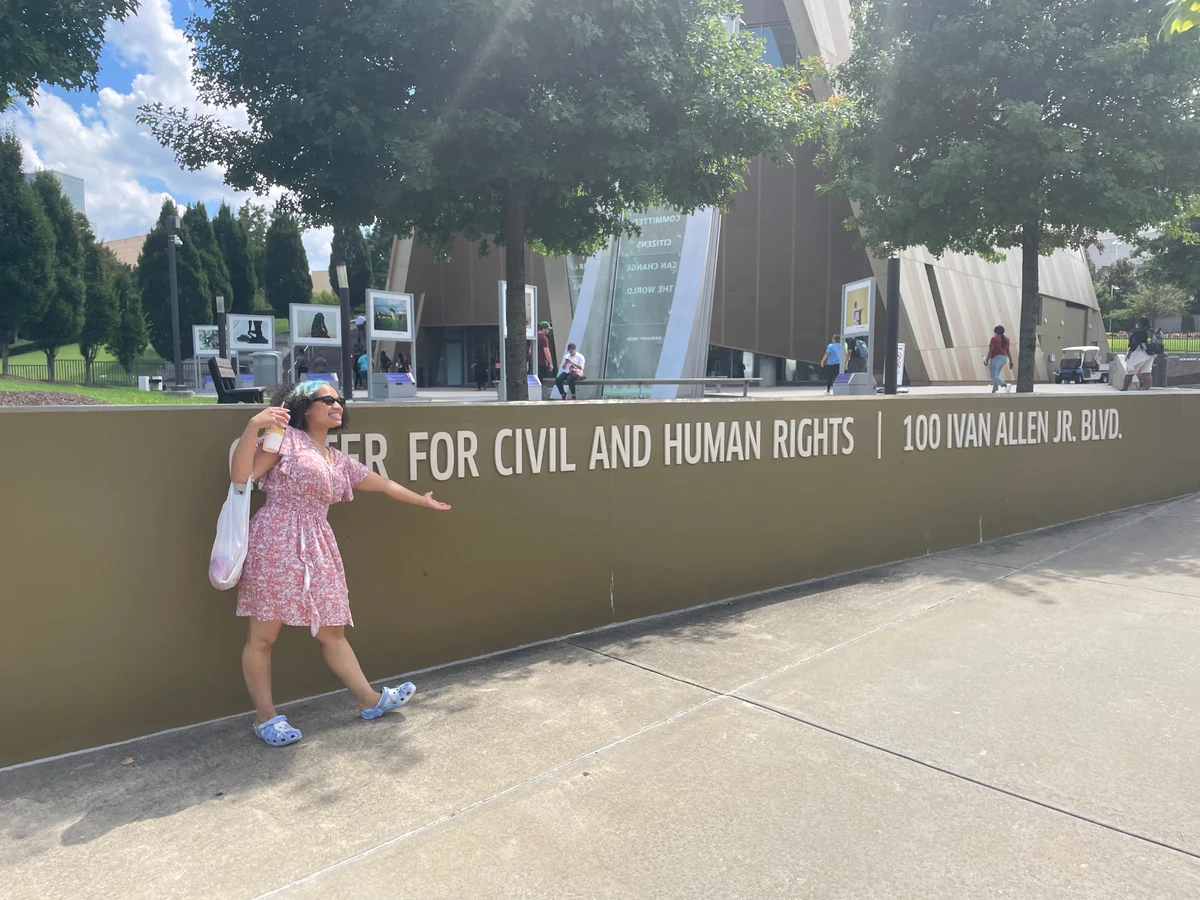
Our three-day Atlanta field trip outline shows how the days fit. Atlanta also has the National Center for Civil and Human Rights, which connects the American movement to human rights struggles elsewhere, and it sits beside the attractions that give a trip some range.
Birmingham: Where the Images Came From
If students know one set of photographs from the movement, they came from Birmingham in 1963.
The National Park Service describes the news coverage that year showing police dogs unleashed on non-violent protesters and children sprayed with high-pressure hoses, calling them vivid examples of segregation and racial injustice in America.
Birmingham Civil Rights National Monument takes in the 16th Street Baptist Church, where statues commemorate the four girls killed in the bombing, and Kelly Ingram Park, which holds a statue dedicated to the Birmingham foot soldiers.
This is the stop that asks the most of a group. Students who arrive knowing what happened here, rather than discovering it on an interpretive panel, handle it better.
Selma and Montgomery: The 54 Miles
This is the clearest example of history that has to be walked rather than read.
On March 7, 1965, marchers set out from Selma intending to cover 54 miles to Montgomery. They were stopped at the Edmund Pettus Bridge and attacked with nightsticks and tear gas. The day became known as Bloody Sunday, and the Park Service records that the attack caused outrage around the country.
On March 9 Dr. King led a second group to the same spot, where they prayed and turned back. The march that completed the route ran from March 21 to 25.
Standing on that bridge, having been told those three dates, is a different experience from seeing it in a textbook. It is the single most affecting stop most groups make.
Memphis and Washington, D.C.
| City | What students see |
|---|---|
| Memphis | The Lorraine Motel, where Dr. King was killed in 1968, now the National Civil Rights Museum. The preserved balcony and room are the reason the museum is built where it is |
| Washington, D.C. | The Lincoln Memorial steps where Dr. King spoke in 1963, the Martin Luther King, Jr. Memorial, and the Smithsonian’s National Museum of African American History and Culture |
| Also in D.C. | The Frederick Douglass National Historic Site, which sets the movement in a longer history |
Our African American history tour of D.C. and our guide to the National Museum of African American History and Culture go further on the capital, and the African American Museum in Philadelphia is worth knowing about if your route runs north.
Why HBCU Visits Belong on the Itinerary
This is the addition teachers most often leave out, and the one students most often remember.
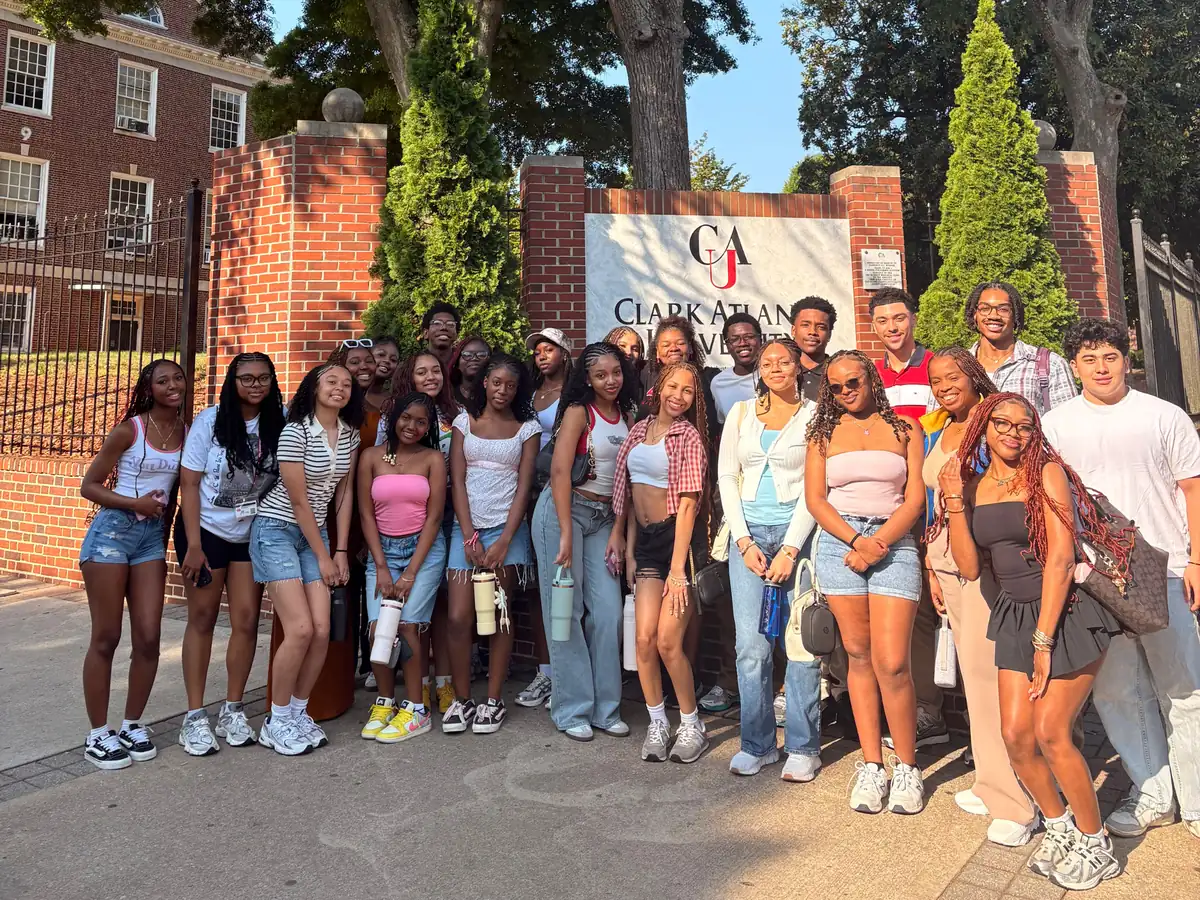
Much of the movement’s leadership was formed on HBCU campuses, and how HBCUs shaped the movement is a story in itself, so a visit is historically coherent rather than a bolt-on. Morehouse, Spelman and Clark Atlanta sit close to the Atlanta sites, and Tuskegee is reachable on an Alabama leg.
It also does something a historical site cannot. A campus tour with an admissions session turns a history trip into a conversation about where a student might actually go, and that lands differently at sixteen than any museum does.
See our guide to planning an HBCU college tour and what to expect on a first HBCU visit.
Building a Civil Rights Route
| Length | What fits |
|---|---|
| Three days | Atlanta on its own: the King park, the National Center for Civil and Human Rights, and one HBCU campus |
| Four to five days | Atlanta plus Alabama, adding Birmingham, Tuskegee, and Selma or Montgomery |
| Three days, capital version | Washington, D.C.: the memorials, the Smithsonian museum, Howard University and Frederick Douglass |
| Longer | Adding Memphis, which works best as a start or end point rather than squeezed in |
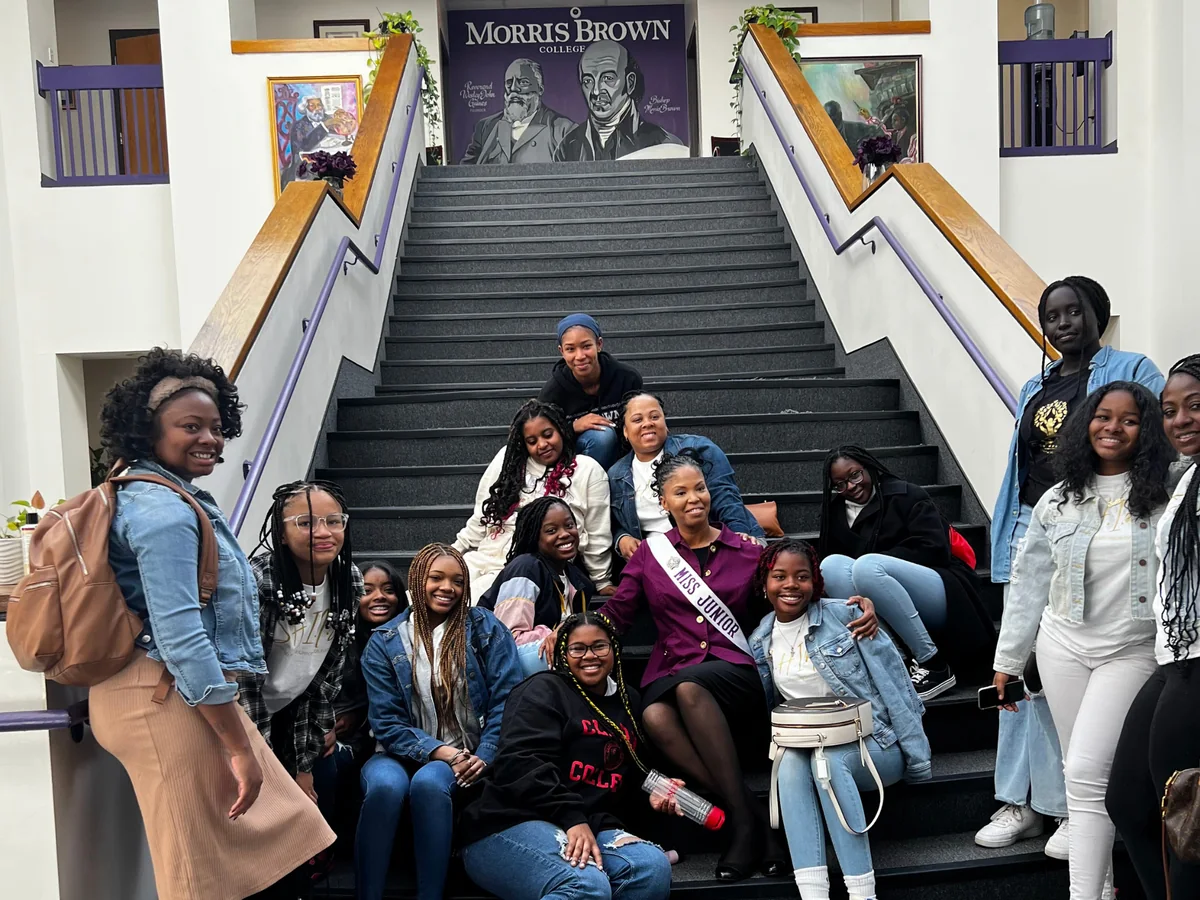
Landmark’s Atlanta and Alabama HBCU field trip runs five days and combines the civil rights sites with campus visits at Tuskegee, Clark Atlanta, Morehouse and Spelman.
Preparing Students for These Sites
This is not a trip to arrive at cold. The material is heavy, and preparation is what separates a group that engages from one that goes quiet for the wrong reason.
Name what happened before you go. Students should know about the church bombing before they stand in front of the statues, and about Bloody Sunday before they reach the bridge.
Tell them it is allowed to find it difficult. Some of these sites are upsetting, and students who have been told that in advance are less likely to deflect with jokes.
Leave time afterwards. A ten-minute gap between a site like Birmingham and the next stop is worth more than an extra attraction.
Give them something to carry out. One question per site, answered afterwards, turns a visit into something a student can articulate. Our piece on what students learn through educational travel covers capturing it.
What a Landmark Trip Costs and Includes
A package typically covers a private group tour for your group only, a custom itinerary built around your curriculum, transportation, student-appropriate hotel accommodations, admission to every scheduled site, the meals named in the itinerary, a professional Tour Director traveling with your group, and restaurant and driver gratuities.
On average, Landmark’s fully inclusive trips range from $300 to $400+ per traveler per day, or about $1,200 to $3,500+ total for an all inclusive package. Airfare is an additional variable cost.
| Item | Detail |
|---|---|
| Per traveler, per day | $300 to $400+, fully inclusive |
| All inclusive package | About $1,200 to $3,500+ in total |
| Transportation and hotel | Included, with student-appropriate accommodations |
| Site admissions and guided visits | Included for every scheduled site, held and timed by Landmark |
| Campus visits | Included where they are on the itinerary, with admissions sessions arranged |
| Meals named in the itinerary | Included, with restaurant and driver gratuities covered |
| Tour Director | Included, traveling with your group start to finish |
| Airfare | Quoted separately. A variable cost depending on origin and dates |
| Travel protection | Optional coverage, bought separately rather than included |
See what a school trip package includes.
Who Is Landmark Educational Tours?
Landmark Educational Tours is a 100% employee-owned domestic and international educational travel company headquartered at 1 Central Street, Suite 205, Middleton, Massachusetts, reachable at (888) 886-2781.
Landmark plans and operates fully managed, custom class trips for public districts alongside private, religious, prep and independent schools. Every trip is a private group tour, and each group travels with a Landmark Tour Director who is an employee of the company.
Landmark is a member of the Student & Youth Travel Association (#13443), along with ABA Member #84360, IATA Code 22576046, BBB Business ID 544197, California Seller of Travel 2168995-50, and ETOA membership. More on the about Landmark page.
Planning a Civil Rights Trip
Four things make a first conversation productive: a rough headcount, the year group, the unit the trip supports, and whether you want campus visits alongside the historical sites.
A Landmark Travel Consultant will build the route around what your class is studying, free, with nothing held until you say so. Landmark builds to any destination a group asks for, so if your route runs through Memphis or Jackson rather than Atlanta, say so early.
See our Atlanta school trips and how to start planning a student trip.