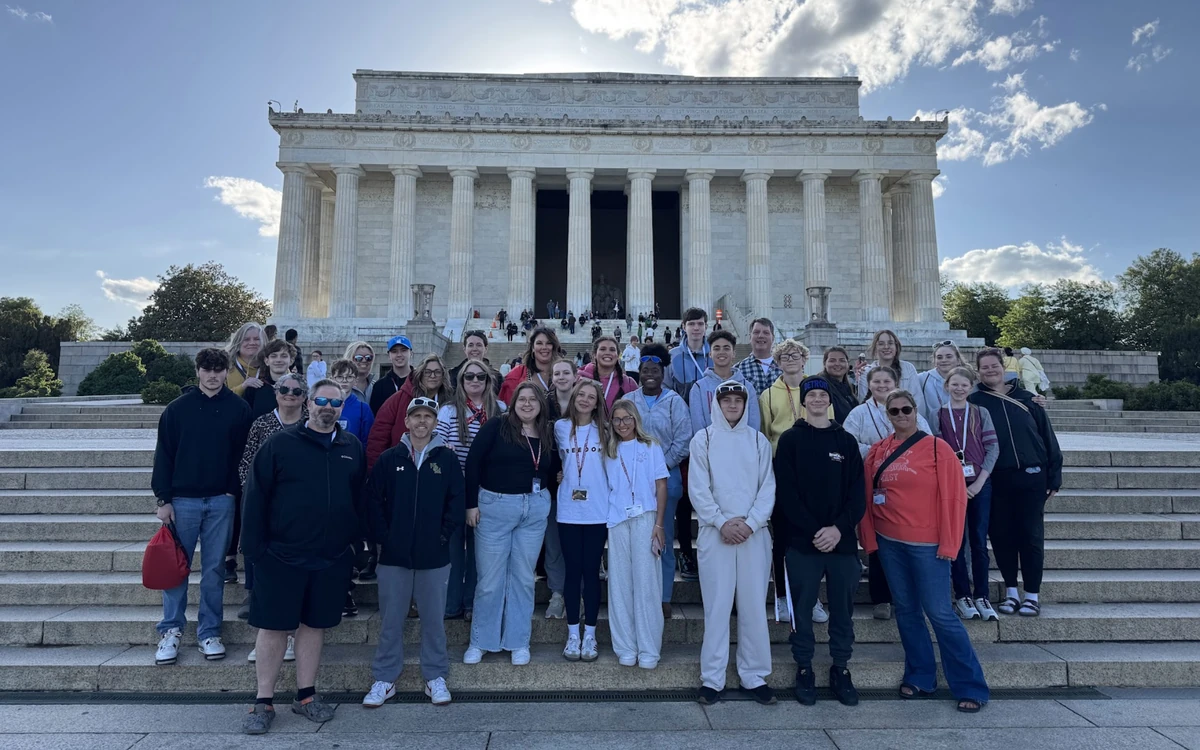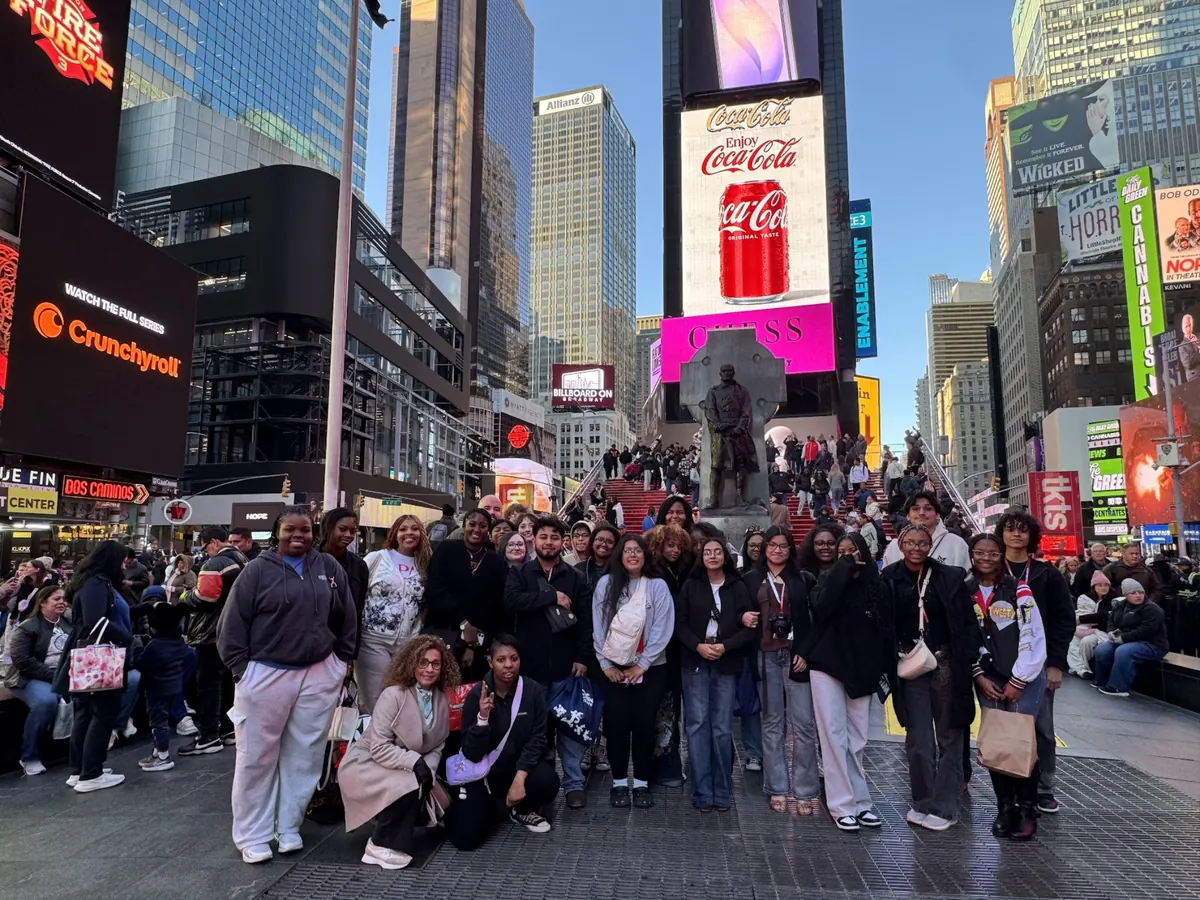

There is no official nationwide chaperone-to-student ratio for field trips. Every school sets its own, and destination requirements, transportation providers and insurance recommendations all feed into it. The commonly used starting points are roughly one adult per 5–6 elementary students, one per 8–10 middle schoolers, and one per 10–15 high schoolers — with more adults for overnight trips and for students who need additional accommodations. For the ratios individual school districts actually publish, see how many chaperones you need for a school trip.
Treat those as a starting point rather than a rule. Always confirm your district's policy before you finalize anything, because your district's number is the one that governs.
Why chaperones matter on every field trip
Chaperones do more than count heads. They reinforce school expectations, respond quickly when something unexpected happens, and keep students focused. Students often learn more when adults take part in the discussion rather than standing at the back — and an engaged adult helps students navigate unfamiliar places with confidence.
Is there a standard chaperone-to-student ratio?
No. There is no national standard, because supervision requirements are set at district level. Many schools work from guidelines like these:
- One adult for every 5–6 elementary students
- One adult for every 8–10 middle school students
- One adult for every 10–15 high school students
- Additional adults for overnight or higher-risk activities
- Extra supervision for students who require specific accommodations
Your district policy overrides all of it. Check it first.
Student age plays a major role
Maturity changes what supervision needs to look like. Elementary students need frequent reminders about transitions, safety and group expectations, and closer monitoring in public spaces. Middle schoolers are more independent but curious enough that consistent adult presence matters in busy environments. High schoolers can generally handle small-group independence, provided check-in procedures and accountability are clear from the start.
Consider the destination before setting ratios
A single museum with guided programming is a different supervision problem from a city with multiple attractions and transport changes between them. Large venues spread groups across buildings and floors. Outdoor destinations add trails, weather and uneven terrain. Dense urban destinations add traffic and crowds.
Groups on field trips in Atlanta, for example, often move between several historic sites in a day — museums, memorials and educational centers — which makes organized supervision more valuable than a single-venue day would.
Choose the right chaperones
The number of adults matters; who they are matters more. Strong chaperones tend to show:
- Dependability and punctuality
- Clear communication
- Patience with students
- Confidence following school policy
- Calm under pressure
- Willingness to stay actively engaged rather than supervise from a distance
Prepare chaperones before departure
Even experienced parents benefit from a briefing. Give every adult an itinerary, emergency contacts, relevant medical considerations and transportation details. Walk through student expectations and the procedures for bathroom breaks, meals, headcounts and delays. Agree how the group will communicate — a messaging group, emergency numbers, and designated meeting points — before you leave campus, not after.
Plan for emergencies before they happen
Every trip deserves a safety plan that assigns clear roles. Everyone should know evacuation procedures, meeting points, emergency contacts and how student accountability is tracked. Medical information needs to be accessible throughout the trip, not filed at school.
How a tour operator supports supervision
On a Landmark trip, a professional Tour Director is assigned exclusively to your group for the whole trip and handles the logistics and timing on the ground. Our safety procedure is built in: students receive safety bracelets and a briefing at their first meeting with their Tour Director, groups move in chaperone groups or on the buddy system, and the group does not leave an attraction until two separate headcounts are complete — one by a Tour Director and a final one by the head chaperone. Overnight hotel security is available on request.
That does not replace your chaperones. It means your chaperones can supervise students instead of navigating a city.
A successful field trip starts with the right supervision
Work out your number from student age, destination complexity, transportation, trip length and district policy — in that order — rather than reaching for a single ratio. Then brief the adults properly, because a prepared chaperone is worth more than an extra unprepared one.
Request a free quote and we will build an itinerary around your group, with the supervision structure planned in from the start.