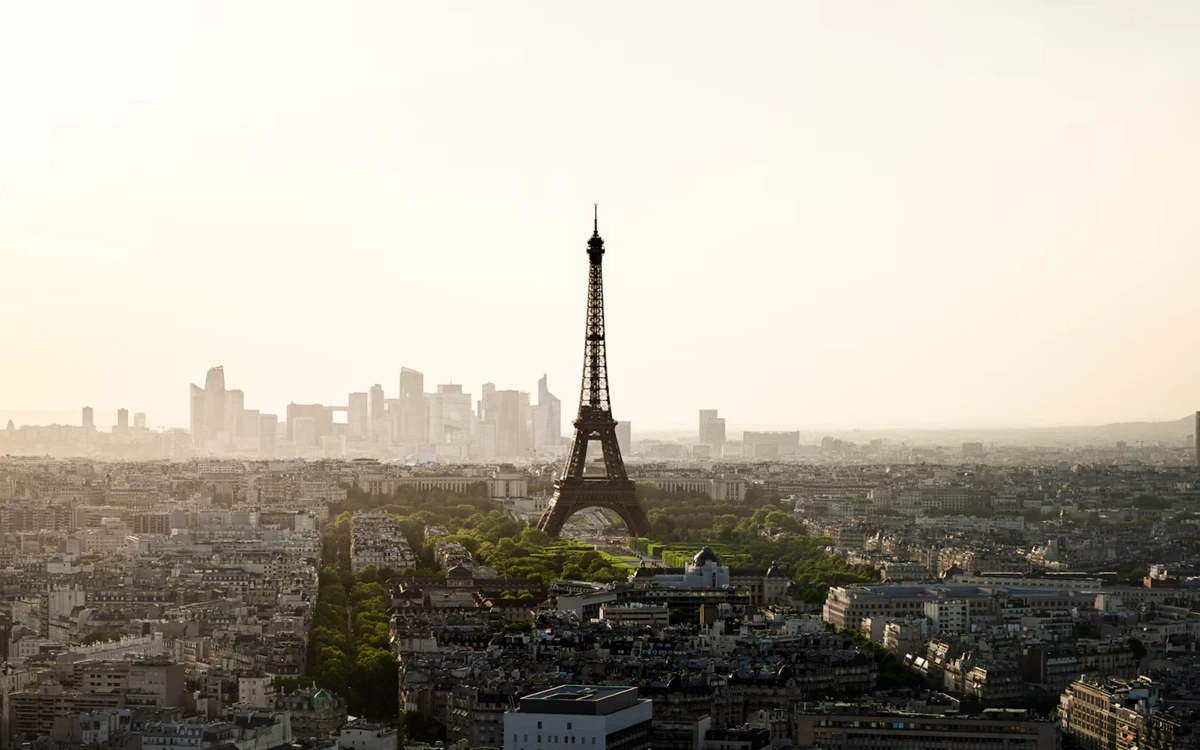
Schools should consider France for a language immersion trip because French is the second most taught language in American high schools, because France puts students in situations where French is the only practical option, and because the language comes attached to a curriculum — revolution, art, civics — that a French department can teach from. The destination is the easy part of that sentence. The hard part is building a trip where students actually have to speak.
That is the honest version of this question, and it is worth saying plainly before the photographs of Paris do their work. Immersion is not a property of a country. It is a property of an itinerary. A group can spend nine days in France and speak English the entire time if the trip is a monument tour with a French backdrop. France earns the trip when the itinerary makes the language unavoidable, and that is a thing you design rather than a thing you book.
The Six Reasons France Makes the Case
- The students already exist — French is taught in roughly a third of American high schools
- The language can be made unavoidable — ordering, asking and buying, in French, if you build it in
- A local French guide changes the register — students hear French used on them, not at them
- Workshops put the language in their mouths — following instructions in French is different from reciting it
- France carries a second curriculum — revolution and civics, art, design, food science
- Two Frances in one trip — Paris and the south do not sound the same
France for Language Immersion at a Glance
| Item | Detail |
|---|---|
| Where French sits | Taught in about 34 percent of U.S. high schools, second only to Spanish |
| What makes it immersion | Unavoidable use, not the destination. It is an itinerary decision |
| Landmark’s France program | Paris and the French Riviera, nine days, with a local French guide throughout |
| Language already built in | A French-speaking workshop and a French guide, inside the standard itinerary |
| Typical cost | About $2,400 to $3,600+ per traveler for an eight to nine day trip |
| Nearer alternative | Quebec City, French-speaking, no overnight flight, roughly half the cost |
| Passports | Required for every traveler. The long lead item on any France trip |
| Book by | Twelve months or more for anything requiring passports |
The Students Already Exist
This is the unglamorous reason and the one that decides whether a trip fills. French is the second most commonly taught world language in American secondary schools, well behind Spanish and well ahead of everything else. ACTFL’s State of K-12 World Language Education, drawing on the federal School Pulse Panel survey, puts French in about 34 percent of U.S. high schools against 79 percent for Spanish. Italian, for comparison, sits at 3 percent.
A French department is therefore one of the few places in an American school with a built-in cohort for an international trip: students who have chosen the subject, parents who have watched them choose it, and a curricular reason that an administrator does not have to be talked into. Our comparison of Italy or France for a student trip works through that enrollment question in more detail, because for most schools it settles the argument before anything else does.
The Language Becomes Unavoidable
Here is the mechanism, and it is simpler than the brochures make it. In a classroom, speaking French is a performance assessed by someone who already knows what you meant. In a boulangerie it is the only way to get the thing you want.
That shift — from French as a subject to French as a tool — is what a trip buys, and it is the only thing a trip buys that a textbook cannot. Everything else on this page is in service of it. The practical consequence is that the itinerary should be audited for moments where a student has to transact: ordering lunch themselves rather than being handed a group meal, buying their own ticket, asking a shopkeeper for a size. Those moments are free, and they are routinely designed out of school itineraries for the sake of efficiency.
Build them back in and keep the group small enough that students cannot hide behind each other. Two students at a counter speak French. Fifteen students at a counter produce one spokesperson and fourteen spectators.
A Local French Guide Changes the Register
Landmark’s Paris and French Riviera program includes a local French guide alongside the Landmark Tour Director for the whole trip. That is a bigger deal for a language class than it looks on an itinerary line.
A guide who lives there speaks French to colleagues, to drivers, to site staff, in front of the group, at full speed, about ordinary things. Students who have only heard French slowed down for them hear what it actually sounds like, and the gap is the single most useful shock of the week. It is also the moment the quieter students realize how much they can follow, which is usually more than they expect.
Ask for the guide to run portions of the day in French with the Tour Director translating only when the group is genuinely stuck. That is a request, not an upgrade, and it costs nothing.
Workshops Put the Language in Their Mouths
The France program already includes a French-speaking macaron workshop and an introduction to pétanque. Both do the same thing: they give students instructions they have to follow in French, with a physical consequence if they do not.
This is the structure Landmark uses for language programs generally. Our Italian Language and Culture Immersion is built on the same idea — conversational language in the field, in markets and cafés, around guided cultural workshops rather than a classroom. A French version of that is built the same way, from the same components, which is worth knowing if what you want is an immersion program rather than a tour that happens to be in France.
France Carries a Second Curriculum
A language trip that is only a language trip is a hard sell to a principal and a harder one to a parent paying for it. France is unusually good at carrying a second subject alongside the first.
The revolution and the republic give a civics and modern history unit with physical locations attached. The Louvre and the Musée d’Orsay give art history, and the Riviera continues it: Saint-Paul-de-Vence, already on the itinerary, is where Chagall spent his last years and is buried, and the Fondation Maeght above the village holds Miró, Giacometti, Braque, Calder and Léger in a building designed to show them. Versailles gives absolutism, landscape design and the economics of a court. Food gives chemistry, and the Riviera gives light, which is why the painters went there. Our guide to the best educational attractions in France for students goes through the sites themselves.
The practical use of this is in the approval conversation. A trip that serves the French department, the history department and the art department is a school trip. A trip that serves one teacher is a holiday with homework, and it gets treated that way by the people who have to sign off on it.
Two Frances in One Trip
Paris and the south do not sound the same, and students notice within a day. The pace is different, the vowels are different, the willingness to slow down for a foreigner is different.
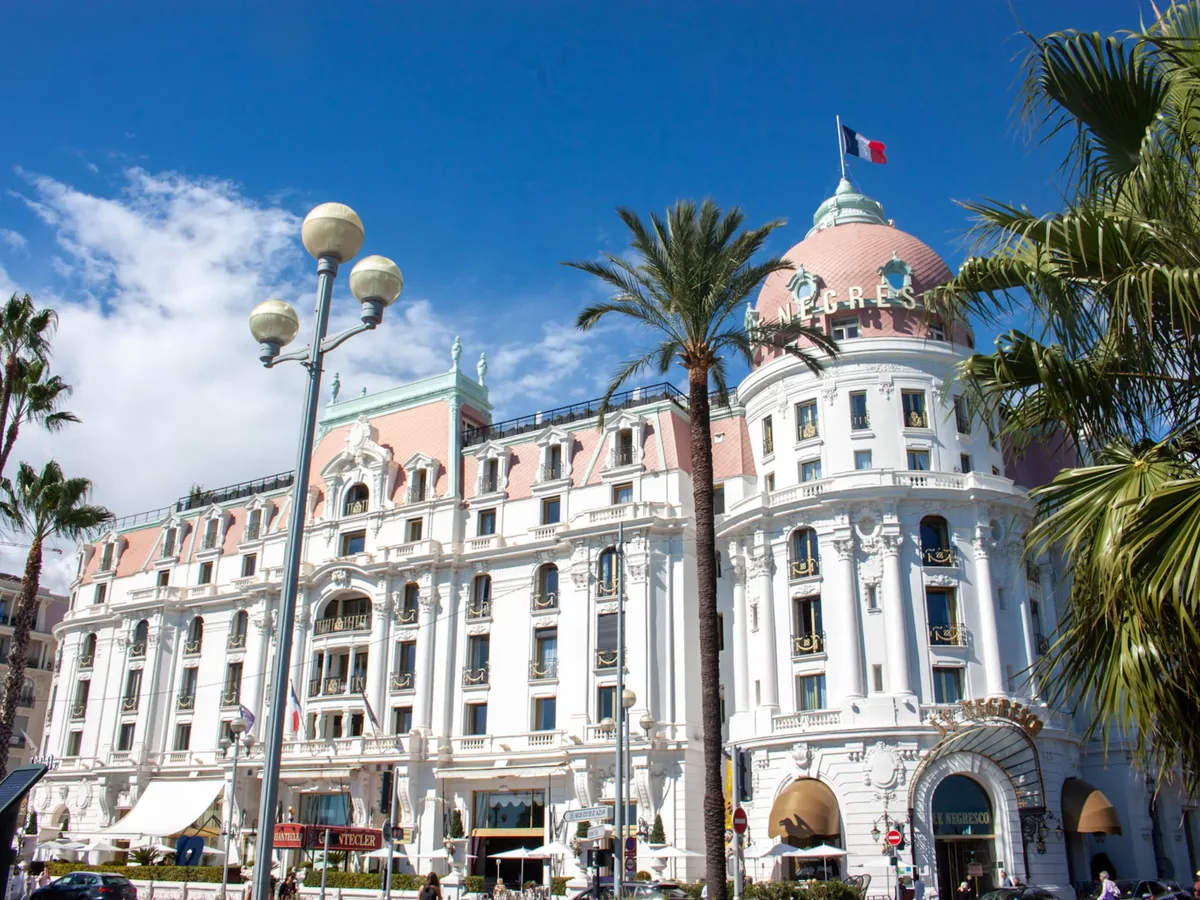
Landmark’s France program pairs Paris with Nice, Saint-Paul-de-Vence and Monaco for exactly this reason, and the contrast is worth teaching rather than leaving as scenery. Students who have been told to listen for the difference come back with something more interesting to say than that the food was good.
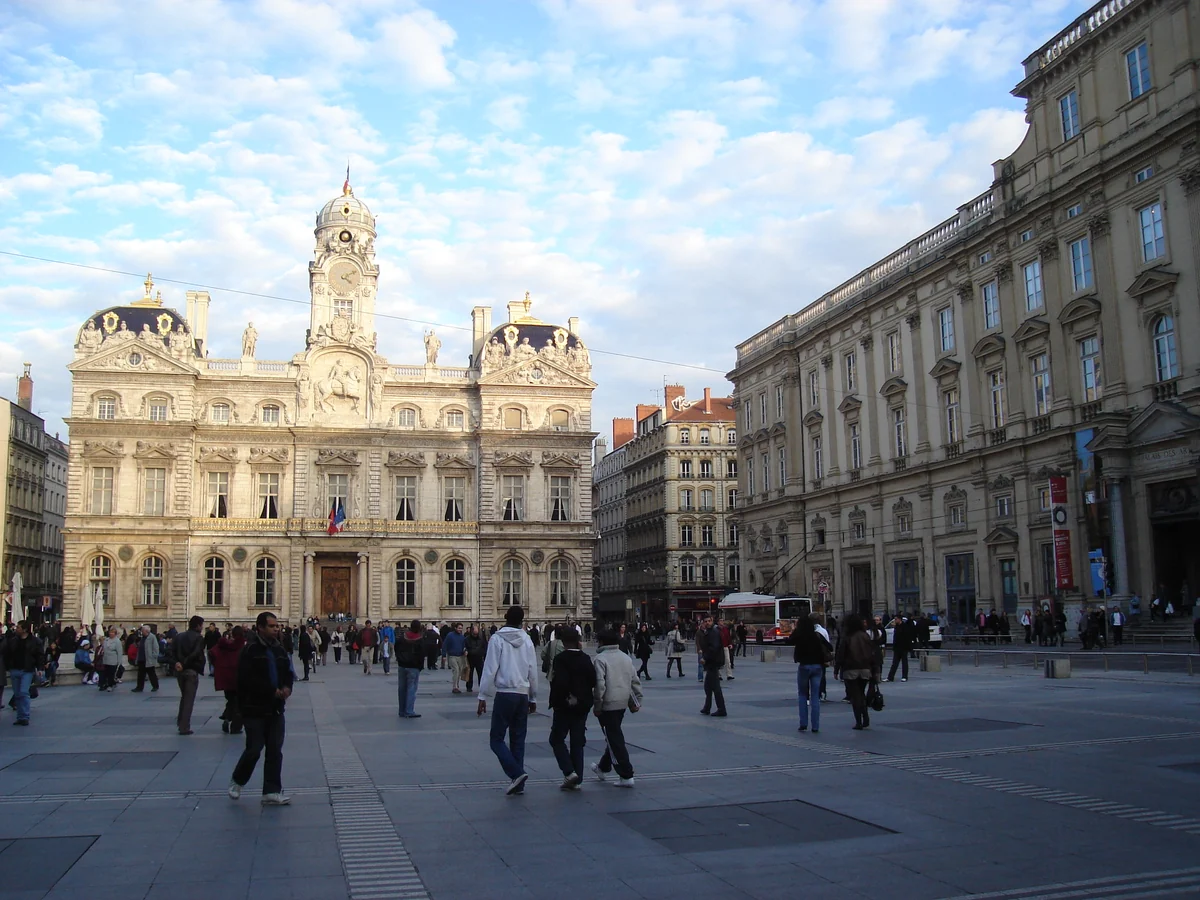
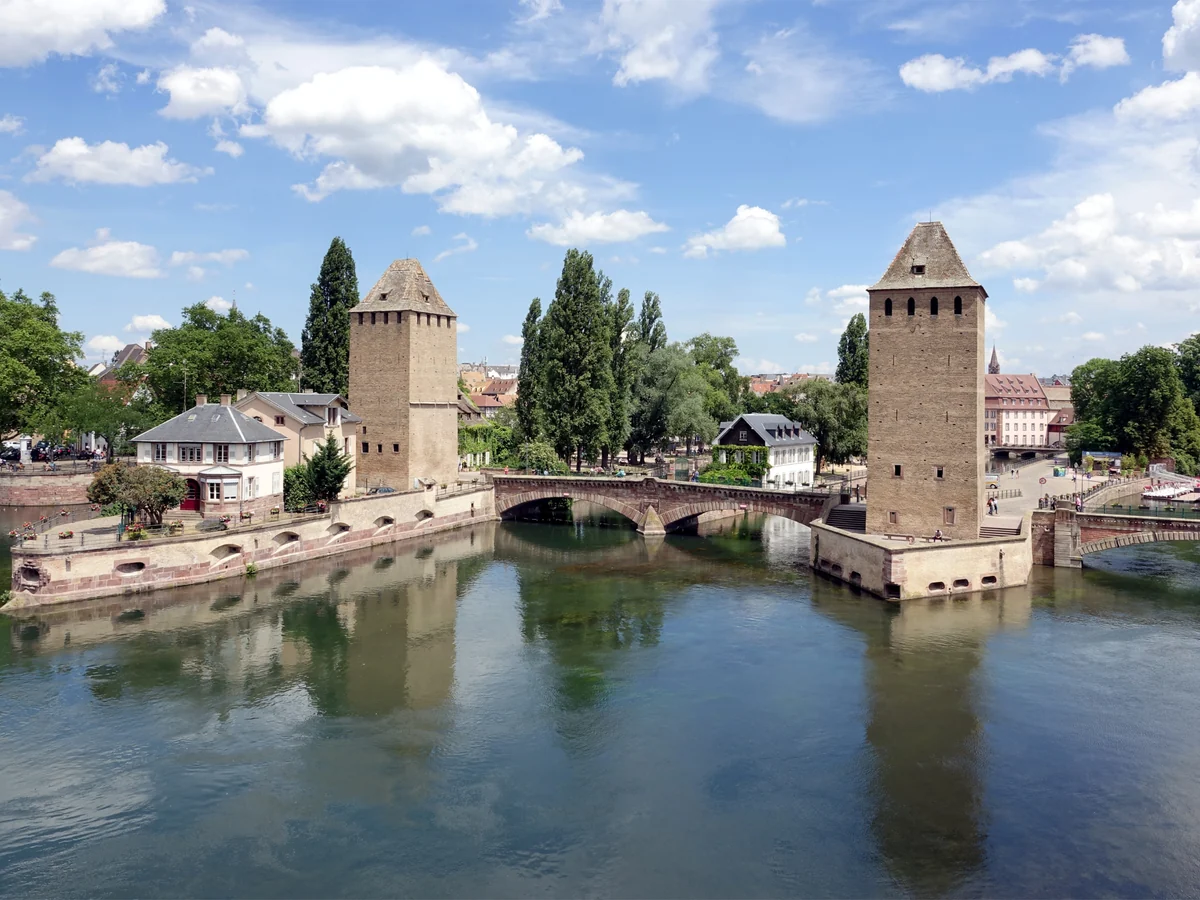
The published program covers Paris and the Riviera. Other regions — Lyon for food and the Resistance, Strasbourg for the French-German border and the European institutions, Normandy for the obvious — are not on the standard itinerary but can be built in, because every Landmark trip is designed for the group rather than sold as a fixed package.
Evidencing What Students Gained
Schools increasingly need the trip to produce something more durable than photographs, and language is one of the few trip outcomes that can be measured at all.
Many districts and states award a Seal of Biliteracy, which recognizes students who reach proficiency in two or more languages by graduation and sits on the diploma or transcript. A trip does not award it, and nobody should imply otherwise. What a trip does is give students the speaking practice that the proficiency assessment behind it actually tests, at the point in the year when that matters.
The honest framing for a parent meeting is that the trip is practice, not a credential, and that the credential already exists in your district if you want to point at one.
France or Quebec?
We sell both, which is why this comparison is worth printing rather than avoiding. For a lot of American schools — especially a first French trip, a younger group, or a tight budget — Quebec City is the better answer, and a provider who will not say so is selling you the more expensive thing by default.
| Question | Answer |
|---|---|
| Cost | Quebec is roughly half. About $1,200 to $2,000+ for four to five days against $2,400 to $3,600+ for France |
| Travel | Quebec is a coach or short flight. France is an overnight transatlantic flight and jet lag |
| Documents | Both need passports, but Quebec forgives a late one more easily than a Paris departure does |
| The French | Quebec French is different, not lesser. Students hear a living variety and adjust, which is a skill |
| Cultural payload | France carries more curriculum. Quebec carries enough, and carries North American history too |
| Best for | Quebec for a first trip or a younger group. France when the group is older and the French is further along |
If Quebec is the fit, our writing on French immersion school trips to Quebec City covers it, down to the translation apps worth having on the ground.
What Decides Whether the Immersion Works
Getting the group to a French-speaking country is the precondition. After that, almost everything is itinerary design rather than geography. These are the levers, in the order they matter.
| Factor | Effect |
|---|---|
| Transactions built in | Large. Students who order, buy and ask for themselves speak. Students handed everything do not |
| Sub-group size | Large. Two or three at a counter all speak. Fifteen produce one spokesperson |
| Guide used in French | Large, and free. Ask for it rather than assuming it |
| Workshops in the language | Moderate to large. Instructions with a consequence beat recitation |
| A no-English stretch | Moderate. One agreed hour a day is realistic. A whole day is not |
| Prep before departure | Moderate. Twenty survival phrases drilled in March change what happens in April |
| Going somewhere French-speaking | Large, and the precondition for everything above. None of these levers exist at home |
| Which French-speaking place | Smaller than schools expect. France or Quebec both work. How you build the days decides more |
What a France Trip Costs
France sits in the eight to nine day band of international trips, which is where most transatlantic school programs land. The ranges below are the ones on our guide to international school trip destinations.
| Length | Per traveler | Examples |
|---|---|---|
| 4 to 5 days | About $1,200 to $2,000+ | Quebec City, the nearer French option |
| 6 to 7 days | About $1,800 to $2,800+ | A shortened European program |
| 8 to 9 days | About $2,400 to $3,600+ | France, Italy, Ireland, England |
| 10 days | About $3,000 to $4,000+ | Adds a second country or region |
That works out to roughly $300 to $400+ per traveler per day, fully inclusive: coach travel, student-appropriate hotels, the meals named in the itinerary with gratuities covered, every scheduled admission and guided tour, and a Landmark Tour Director traveling with the group start to finish. Airfare is quoted separately, because it is the variable that moves most with your departure city and dates. Travel protection is optional coverage bought separately rather than built into the price, and passports are arranged by families, which is the item worth raising first because it is the one that runs out of time.
How This Fits a Landmark Trip
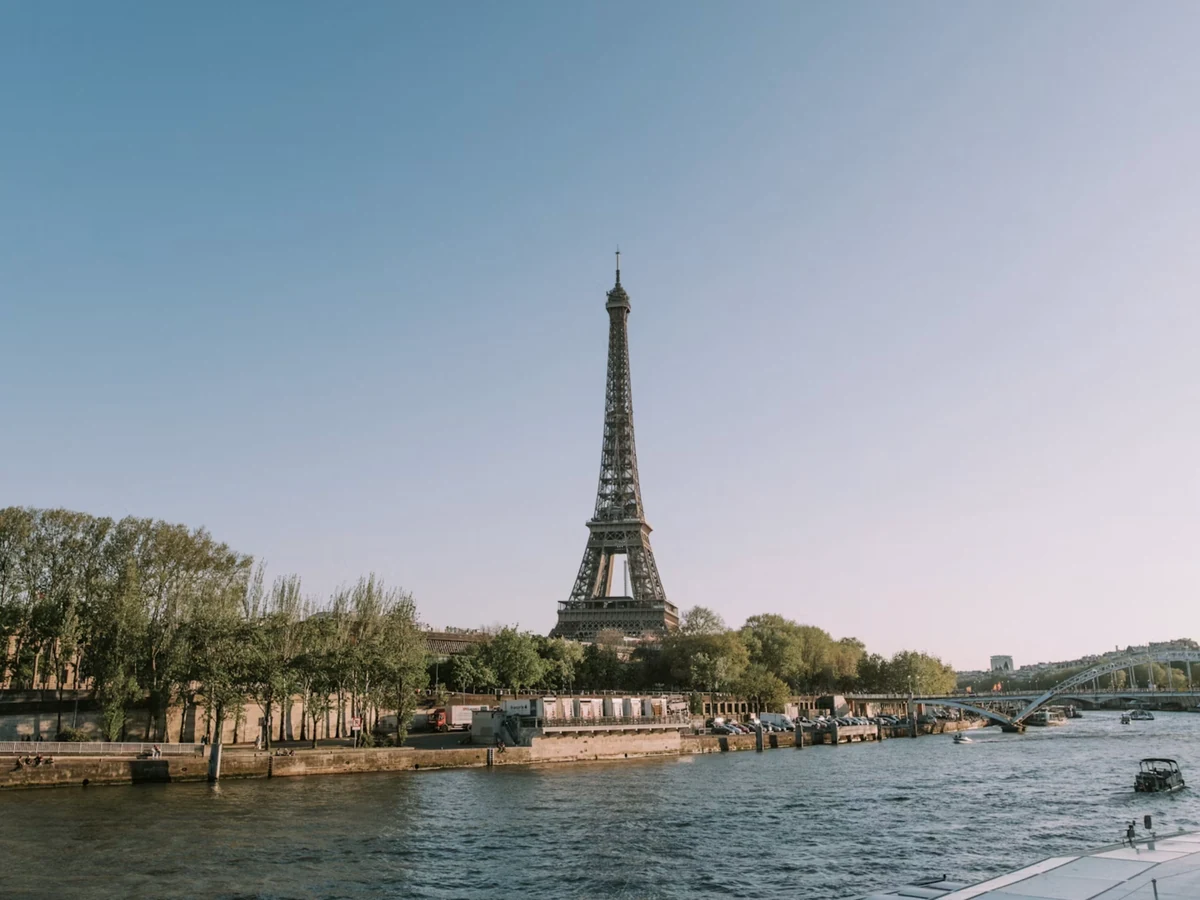
Our France program is currently a single nine-day Paris and French Riviera itinerary: Versailles, the Louvre, a Seine cruise and the French-speaking macaron workshop in the north, then Nice, Saint-Paul-de-Vence and Monaco in the south, with a local French guide throughout.
If what you want is the immersion version rather than the tour version, say so at the first conversation. The components are already there and the difference is in how the days are built: more transactions, smaller sub-groups, the guide working in French, and workshops chosen because they force instruction-following rather than because they photograph well. Every Landmark trip is designed for the group, so this is a planning conversation rather than a different product off a shelf.
Who Is Landmark Educational Tours?
Landmark Educational Tours is a 100% employee-owned educational travel company at 1 Central Street, Suite 205, Middleton, Massachusetts, planning custom trips for school groups across the United States and abroad. We are a member of the Student & Youth Travel Association, SYTA, member number 13443.
Every group travels with a Landmark Tour Director, our own employee, who handles the logistics so the teacher can do the part that matters on a language trip: noticing which students are speaking and making sure the quiet ones get pushed to the counter. You can read more about Landmark or work through our frequently asked questions.
Planning a French Immersion Trip
The summary is short. France is a strong choice because the students are already sitting in the classroom, because it offers more chances to make the language unavoidable than anywhere else you could reasonably take them, and because the country carries a second curriculum that helps the trip get approved. None of that happens on its own, and the difference between a French trip and a French immersion trip is decided in the planning, not at the airport.
Tell us your grade level, how far along the French is, your dates and roughly how many students are traveling, and we will build it around that. Request a quote and we will put real numbers against it.