The best educational attractions in France for students are the Louvre and the Palace of Versailles for art and history, Notre-Dame de Paris for Gothic architecture, Saint-Paul-de-Vence and Monaco on the Riviera, and any experience conducted in French rather than merely about France. That last one is the filter most itineraries miss.
France has no shortage of famous places. The question for a teacher is narrower: which of them does something for a class that a classroom cannot? A site earns its place on a school itinerary when it serves a subject you are already teaching, not when it is on a postcard.
Below is what each major attraction actually gives a student group, sorted by the subject it serves, plus how many you can realistically fit and what a trip costs. If you have not started planning, how to start planning a student trip comes first, and you can request a quote at no cost.
Best Educational Attractions in France at a Glance
| Item | Detail |
|---|---|
| Best for art history | The Louvre, and the Musée d’Orsay for Impressionism |
| Best for European history | The Palace of Versailles |
| Best for architecture | Notre-Dame de Paris and Sainte-Chapelle |
| Best for French language | Any activity conducted in French — a workshop beats a monument |
| Best for marine science | The Oceanographic Museum in Monaco |
| Realistic per day | Two substantial attractions, plus walking and meals |
| Typical trip length | Nine days, eight nights, pairing Paris with the Riviera |
| Typical cost | $300 to $400+ per student per day; a nine-day trip sits at the top of the $1,200 to $3,500+ range |
| Airfare | Quoted separately, and the largest single variable on any international trip |
The Best Educational Attractions in France, by Subject
Read the subject column first. The attraction that is right for an art history class is not the one that is right for a French language class, even in the same city.
| Attraction | Where | Subject it serves | What students see |
|---|---|---|---|
| The Louvre Museum | Paris | Art history, ancient civilizations | One of the largest art collections in the world, from antiquity to the nineteenth century. No group sees it all, which makes choosing in advance essential. |
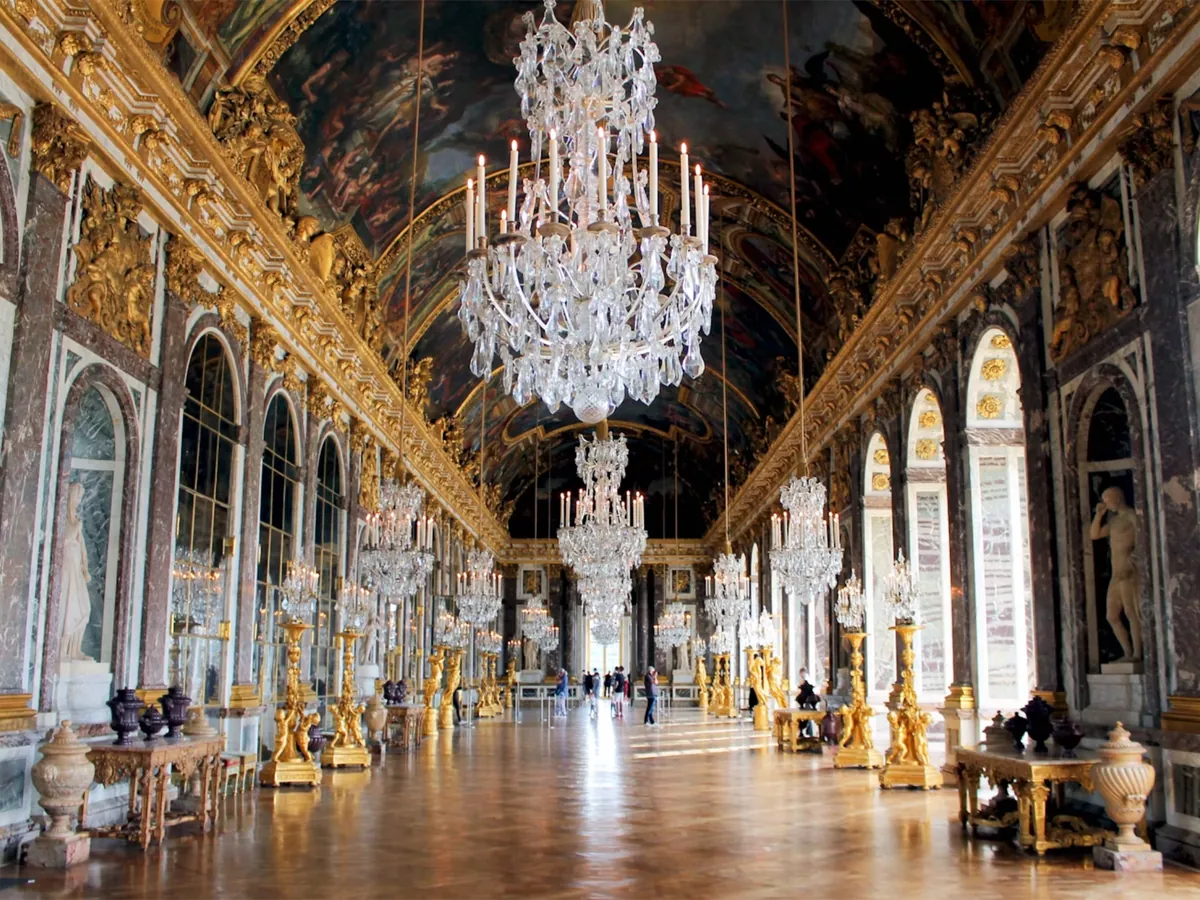
| Palace of Versailles | Outside Paris | European history, the Revolution, government | The Hall of Mirrors and the state apartments — the old order made legible, and the place where its excess becomes obvious rather than abstract. |
| Notre-Dame de Paris | Paris | Gothic architecture, medieval history | Flying buttresses, rose windows and the structural logic of a Gothic cathedral. Reopened in December 2024 after the fire, with restoration continuing. |
| Sainte-Chapelle | Paris | Architecture, medieval art | Fifteen stained-glass windows that make the structural argument for Gothic building better than any diagram. |
| Musée d’Orsay | Paris | Art history, Impressionism | The Impressionist and Post-Impressionist collection, housed in a converted railway station that is itself worth the visit. |
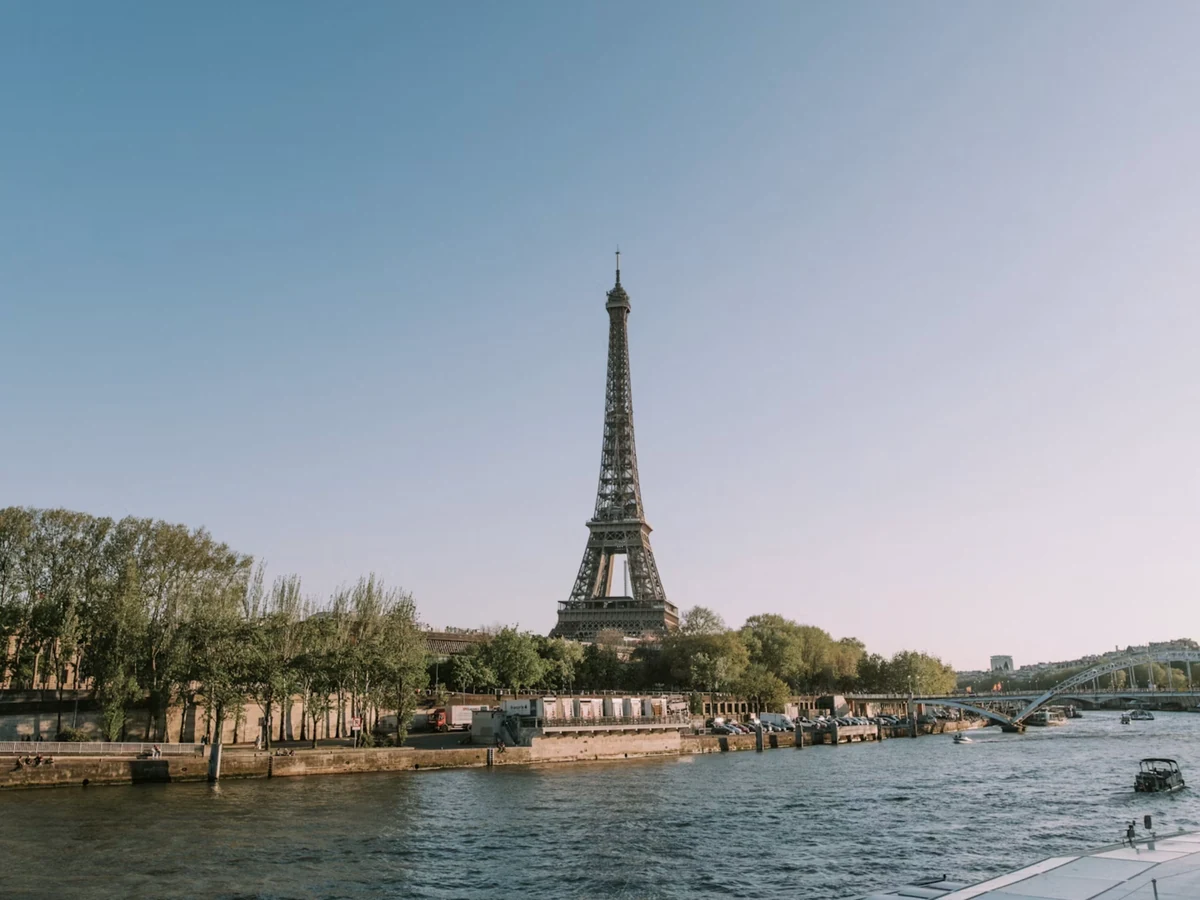
| The Eiffel Tower | Paris | Engineering, nineteenth-century history | A wrought-iron lattice built for the 1889 World’s Fair and meant to be temporary. For an engineering class the structure is the lesson; for everyone else it is the moment the trip becomes real. |
| A cruise on the River Seine | Paris | Urban history, geography | The city read from its river, which is how Paris was organized and why it sits where it does. |
| A French-speaking workshop | Paris | French language | Students using the language to accomplish something — on our programs, a macaron workshop conducted in French. |
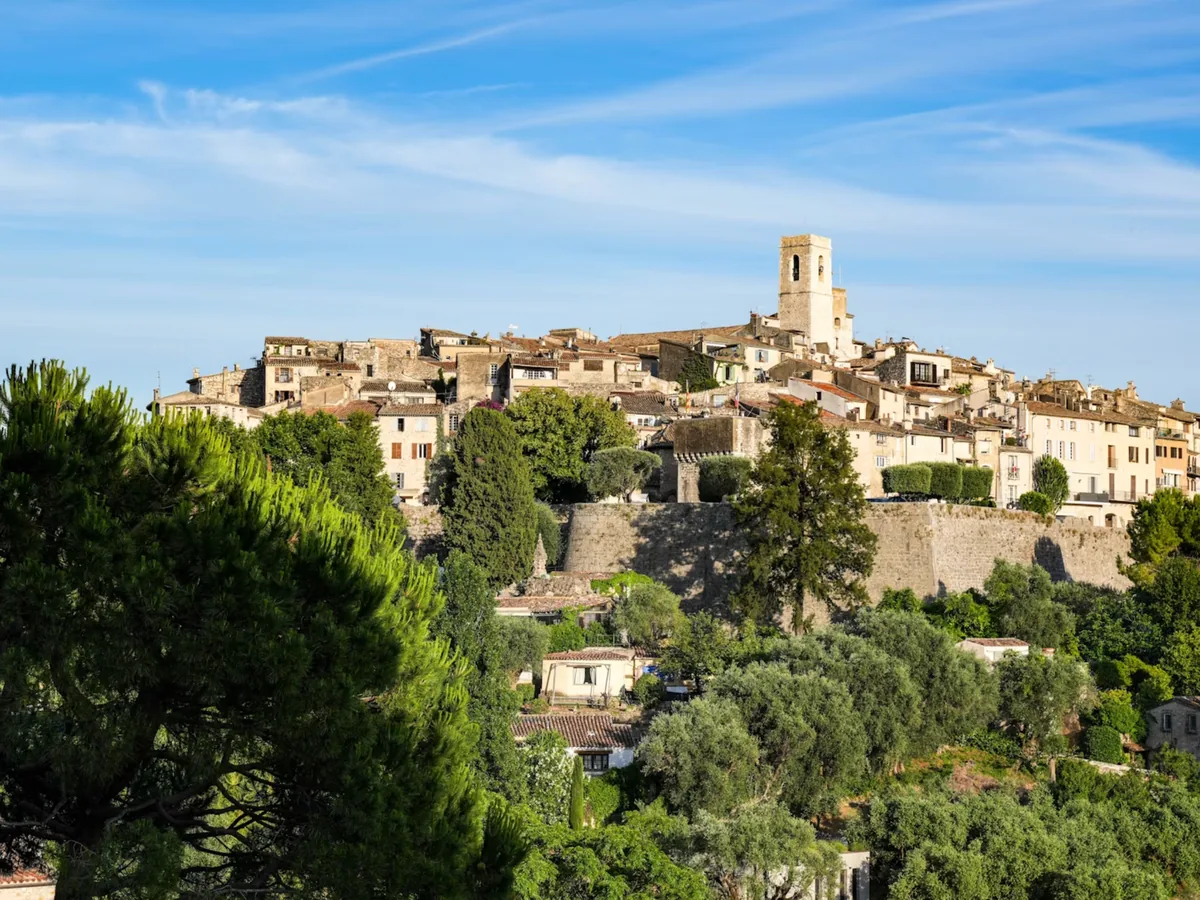
| Saint-Paul-de-Vence | French Riviera | Art, medieval history | A walled hilltop village that drew Chagall and Matisse, with a modern art foundation nearby. |
| Monaco and the Prince’s Palace | French Riviera | Government, European history | A working microstate — a useful counterpoint for a class that has only studied large republics. |
| Oceanographic Museum of Monaco | Monaco | Marine biology, environmental science | A century-old institution of marine science, once directed by Jacques Cousteau. |
Accurate as of September 2026. Opening arrangements at major sites change, so confirm current details when your itinerary is built — our France school trips page shows the programs these attractions sit inside.
The Paris Attractions Worth the Time
The Eiffel Tower — manage the expectation
Every student expects it and no itinerary should omit it, but it is worth being clear about what it offers academically. For an engineering or physics class the structure genuinely teaches: a wrought-iron lattice built for the 1889 World’s Fair, intended to stand for twenty years, and still the tallest thing on the skyline. For everyone else it is the moment the trip stops being an idea.
The practical note is that going up takes far longer than groups expect, and the view is of a Paris that does not contain the Eiffel Tower. Many groups get more from seeing it well from the Champ de Mars or the Seine than from queuing to ascend it.
The Louvre — choose before you arrive
The Louvre is the most common mistake on a France itinerary, and the mistake is treating it as one stop rather than several. It is too large to cover and a group that tries produces students who saw a great deal and remember almost nothing.
What works is choosing two or three wings that serve your subject and giving them real time. Our guide to the Louvre covers what to prioritize.
Versailles — the one that does the most teaching
If your class studies the French Revolution, Versailles is the single most valuable stop in France, and it is the anchor of our Paris and French Riviera program. Students walk through the Hall of Mirrors and the state apartments, and the scale of what they are standing in explains the Revolution more effectively than a chronology does. A group that sees Versailles and then walks Revolutionary Paris has the cause and the consequence in one trip.
Notre-Dame — open again, and free
Notre-Dame reopened in December 2024 after the 2019 fire, with restoration continuing around the visit. Entry to the cathedral itself is free, and school groups are handled through the cathedral’s education arrangements rather than as general visitors, so this is one to build into the itinerary early rather than assume on the day.
For an architecture class the reopening is a bonus rather than a loss: the restoration is visible, and students see a nine-hundred-year-old building being actively repaired.
The Riviera Attractions, and Why the Trip Goes There
Groups ask whether the Riviera leg earns its travel time. It does, for reasons that are partly academic and partly practical.
Saint-Paul-de-Vence
A walled medieval village that became an artists’ colony — Chagall lived and is buried there, and Matisse worked nearby. For an art class it connects the work seen in Paris museums to the place that produced some of it. It is also small and walkable, which is a relief after Paris.
Monaco
Monaco does two things at once. The Prince’s Palace gives a government class a functioning monarchy to compare against the republic they have been studying, and the Oceanographic Museum gives a science class a serious marine institution with real research behind it. Few stops serve two subjects that cleanly.
The practical reason
Nine days at Parisian intensity is more than most school groups want. Changing register midway — smaller towns, the coast, a slower pace — is how a group arrives home in good shape rather than exhausted.
Beyond Paris and the Riviera
Two of the most significant educational sites in France are not on the standard Paris-and-Riviera itinerary, and for some groups they should be.
The Normandy landing beaches
For an American class studying the Second World War, Normandy is arguably the most important place in France. Omaha Beach, the Normandy American Cemetery and Memorial above it, and the landing sites along the coast do something no museum can, and the cemetery in particular tends to affect students in a way they are not expecting.
It is a commitment: Normandy sits several hours from Paris, so it needs most of a day at minimum and works better as an overnight. That is a real trade-off against the Riviera leg rather than an addition to it.
Mont Saint-Michel
A medieval abbey on a tidal island, and one of the clearest architecture and geography lessons available anywhere — the tides that isolate it twice a day are the reason it exists and the reason it survived. It pairs naturally with Normandy, since both sit in the same region.
How to get them onto your trip
Ask. Neither is on the published nine-day program, and both are entirely possible on a custom itinerary — but they change the shape of the week rather than slotting into it, so they have to be raised while the itinerary is being built. How customization actually works covers why that timing matters.
How Many Attractions Fit in a Day?
Two substantial ones, plus the walking and meals between them. That is the honest number, and it is lower than most first itineraries assume.
France compounds the problem because its major attractions are genuinely large. The Louvre and Versailles are each capable of absorbing most of a day. Scheduling both on the same day is the commonest way a France itinerary goes wrong — students spend it moving and neither site lands.
A nine-day trip holds roughly twelve to fourteen substantial attractions once travel days are counted. That sounds like plenty until you list what France offers, at which point the exercise becomes choosing what to leave out.
How to choose what stays
- Keep anything that serves the unit you have taught. That is the whole test, and it settles most of the list.
- Keep one thing conducted in French, whatever the subject. It is the cheapest educational value on the itinerary.
- Keep the free ones. Notre-Dame costs nothing to enter and walking Paris costs nothing at all.
- Cut the second museum of the same kind. Two enormous art collections in one trip is one too many for most groups.
- Cut anything needing a long transfer for a short visit, unless it is Normandy, which earns it.
What About Disneyland Paris?
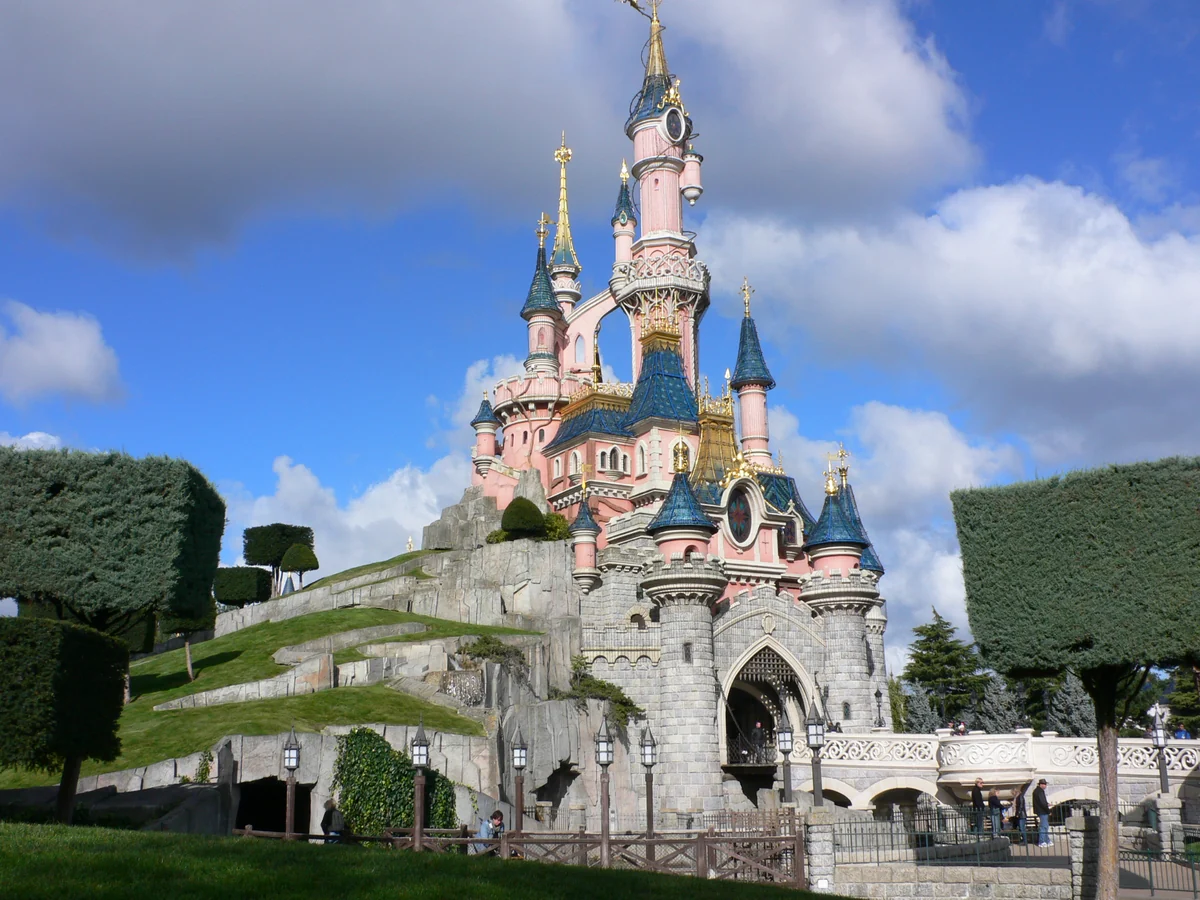
It is not an educational attraction and we would not argue otherwise. It is on our itinerary near the end of the trip for a different reason.
Nine days abroad asks a great deal of teenagers — unfamiliar food, shared rooms, a language they do not speak, and a schedule set by adults. A day that is simply enjoyable, late in the trip, is how a group arrives home still liking each other and still liking the subject. Teachers who have run long international trips tend to understand this immediately; it is the ones planning their first who ask.
If your group would rather use that day academically, it comes out and something else goes in. Every element is adjustable — how customization actually works covers what is changeable and when.
How This Changes by Grade Level
The attractions hold across grades; what changes is how long students spend inside each one.
Middle school groups do better with shorter blocks and a specific thing to find at each stop. Versailles, the Eiffel Tower and Saint-Paul-de-Vence land hardest here, because scale and atmosphere do the work. An enormous art museum asks more patience than most middle school groups have, so choose one wing and leave it at that.
High school groups can be given a defined area and a meeting time, which changes what a morning holds. This is where the Louvre and the Musée d’Orsay repay a long visit, where Normandy is most appropriate, and where a French language class gets the most from being required to use the language rather than hear it.
What a France Trip Costs
Fully inclusive Landmark trips run about $300 to $400+ per student per day. Across nine days that puts a France program at the top of the $1,200 to $3,500+ range we quote across all trips, and international programs generally sit at that end rather than the lower one.
Airfare is quoted separately and is the single largest variable on a transatlantic trip — larger than anything on the ground. It moves with the calendar, the departure airport and how early the group commits, which is the practical argument for naming your travel window early.
What the price covers is transportation, hotels, meals, admission to every scheduled attraction, a Landmark Tour Director start to finish and a local French guide throughout, with restaurant and driver gratuities taken care of. What is included in a school trip package has the full list, how much a school trip costs breaks the number down, and optional travel protection is purchased separately by each traveler.
Before You Book: Passports and Entry
Two things decide whether a student actually travels, and neither is about attractions.
Passports. Every traveler needs one, processing takes time, and this is the commonest reason a student ends up unable to travel on a trip their family has already paid for. Start applications when the trip is approved, not when the deposit is due. Validity rules also apply and are not the same as the expiry date printed on the document.
ETIAS is not in effect as of September 2026. The European travel authorization has been announced and repeatedly delayed; the late-2026 target was withdrawn in mid-2026 and a 2027 start is now expected, with the EU saying it will announce a date several months ahead. US travelers currently enter France with a passport and no advance authorization. A great deal of travel content online already describes ETIAS as a current requirement, which it is not — though that will likely change inside the planning window of a trip booked now.
Check the US State Department’s France information page when you start planning and again before final payment. It is authoritative, current, and takes five minutes.
Building the Itinerary Around Your Subject
The attractions above are the raw material. Which of them belong on your trip depends entirely on what your students have been studying, which is why every France program is built for one group rather than sold as a package.
Tell us your dates, group size and subject, and a Travel Consultant will build the version that fits and send a written quote at no cost. See the Paris and French Riviera educational tour for the shape most groups start from, our France school trips, or the rest of our destinations including Italy and Ireland.
We are employee-owned, more than twenty years in, and our team has traveled in more than forty-eight countries. Travel safety and support covers what happens on the road, which on an international trip is the question parents ask first, and how many chaperones you need is worth settling early because adult places affect both your room count and your budget.