A three-day New York City school trip works best when each day takes one part of the city at a time: Midtown on the arrival day, Lower Manhattan and Central Park on the full day, and the harbor on the final morning. That order follows the island’s geography, which is what lets a short trip feel unhurried.
Three days suits New York better than the number suggests, because the city’s best stops for a school group cluster into three tight areas. Midtown is walkable end to end. Lower Manhattan and the harbor sit together. Central Park is one subway ride from either. A group that spends each day in one area rather than crossing the island repeatedly gets a remarkable amount into a short trip — and arrives home on day three having done every headline stop on the list.
The 3-Day Trip at a Glance
| Item | Detail |
|---|---|
| The shape | Midtown on arrival, Lower Manhattan and Central Park on the full day, the harbor on the final morning — one area per day |
| Getting around | Walking in Midtown, with coach, subway or rail for the longer hops |
| Book first | Any timed entry — the 9/11 Museum, observation decks, the Statue ferry |
| Typical cost | About $900 to $1,200+ per student for three days |
| Rooming | Students four to a room, adults in singles |
| When to book | Nine to twelve months out. New York’s lead times run longer than most |
| Best use of the time | One museum done properly, with room to stand still in it |
The Full Itinerary, Day by Day
This is the shape of Landmark’s 3-day NYC Student Trip, which is the version most groups start from before customizing.
| Day | What it covers |
|---|---|
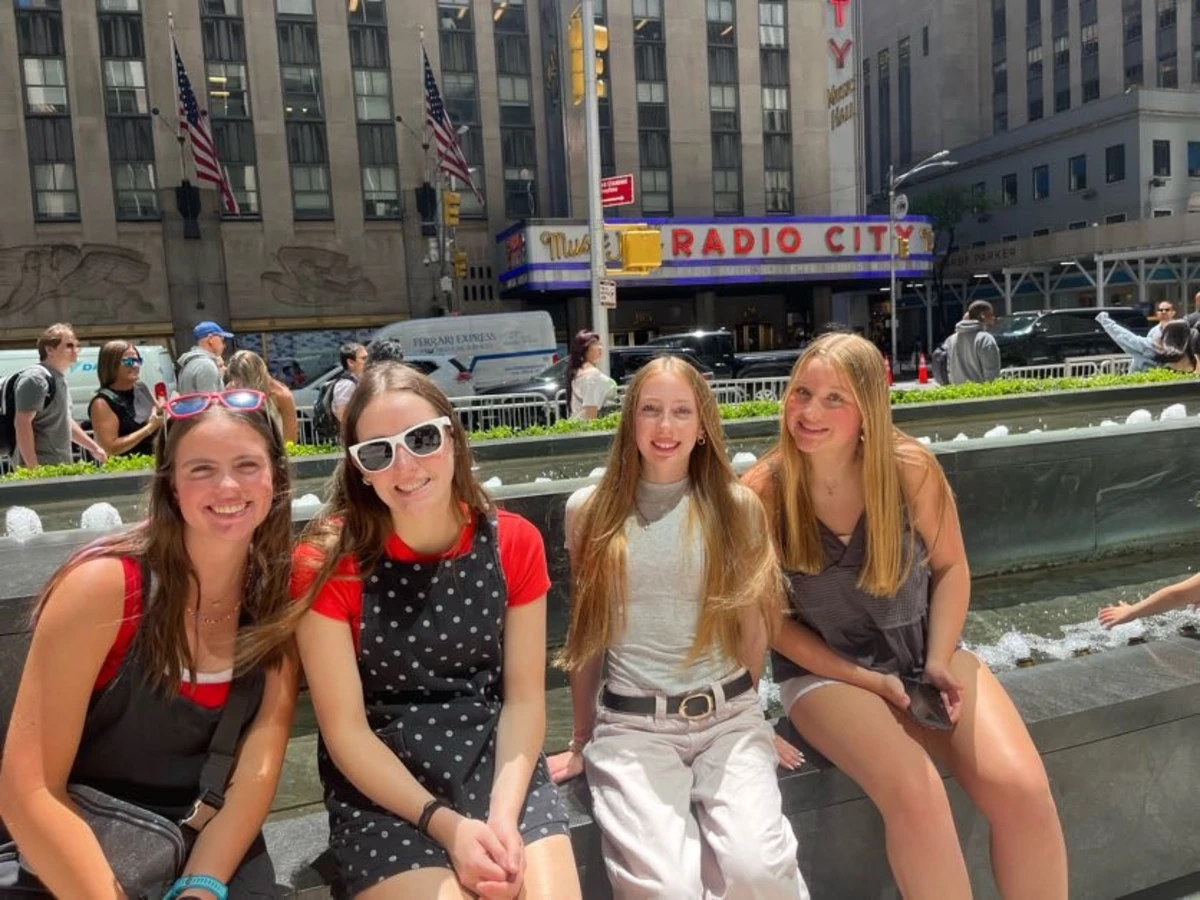
| Day 1 Arrival | Rockefeller Center, a backstage tour of Radio City Music Hall, Fifth Avenue, group dinner, hotel with overnight security |
| Day 2 Full day | The 9/11 Memorial and Museum, Central Park with a local guide, dinner, the Empire State Building after dark |
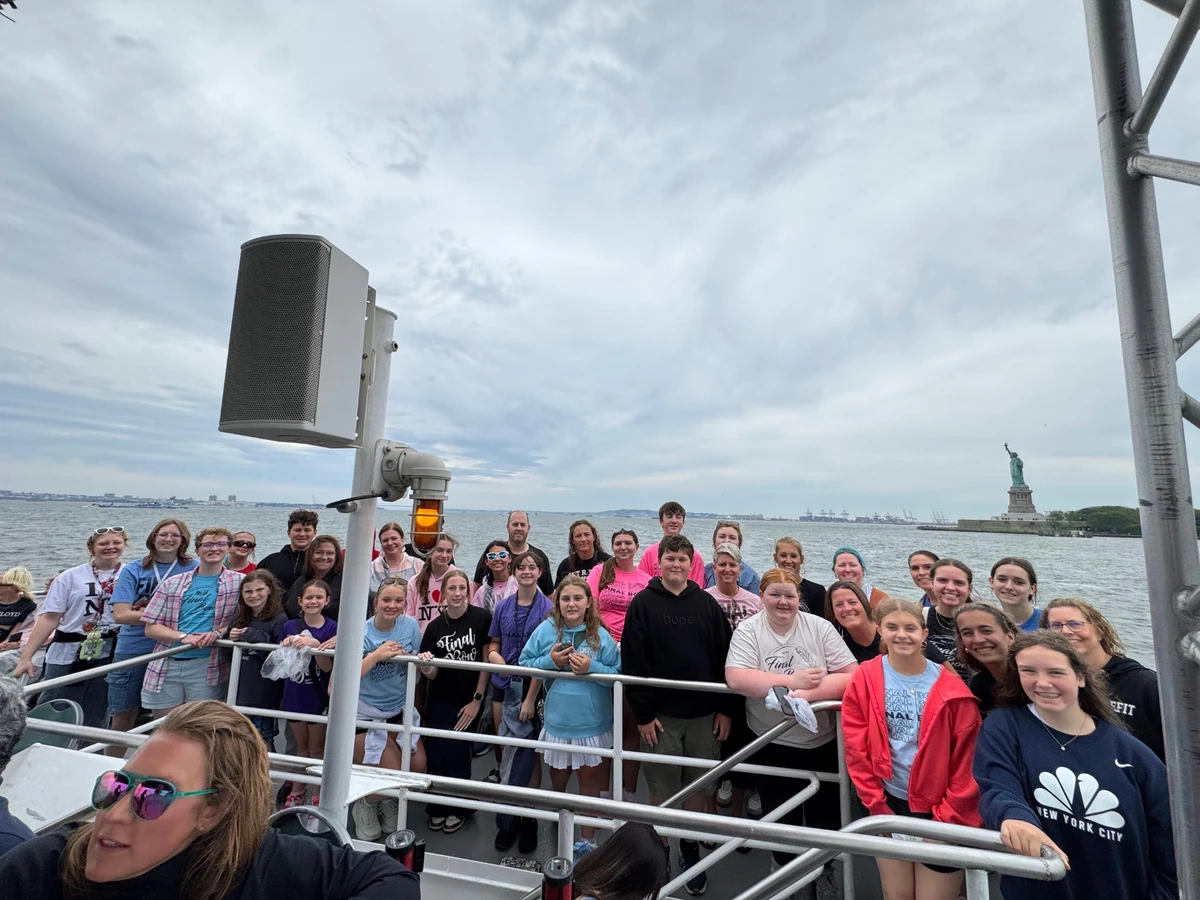
| Day 3 Departure | Statue Cruises to Liberty and Ellis Islands, Times Square, boxed lunch, depart |
Day 1: Midtown, Because You Arrive Into It
Whatever time you land or pull in, you are in Midtown. Build the afternoon there rather than crossing the city with luggage and a tired group.
Afternoon — Rockefeller Center and Radio City
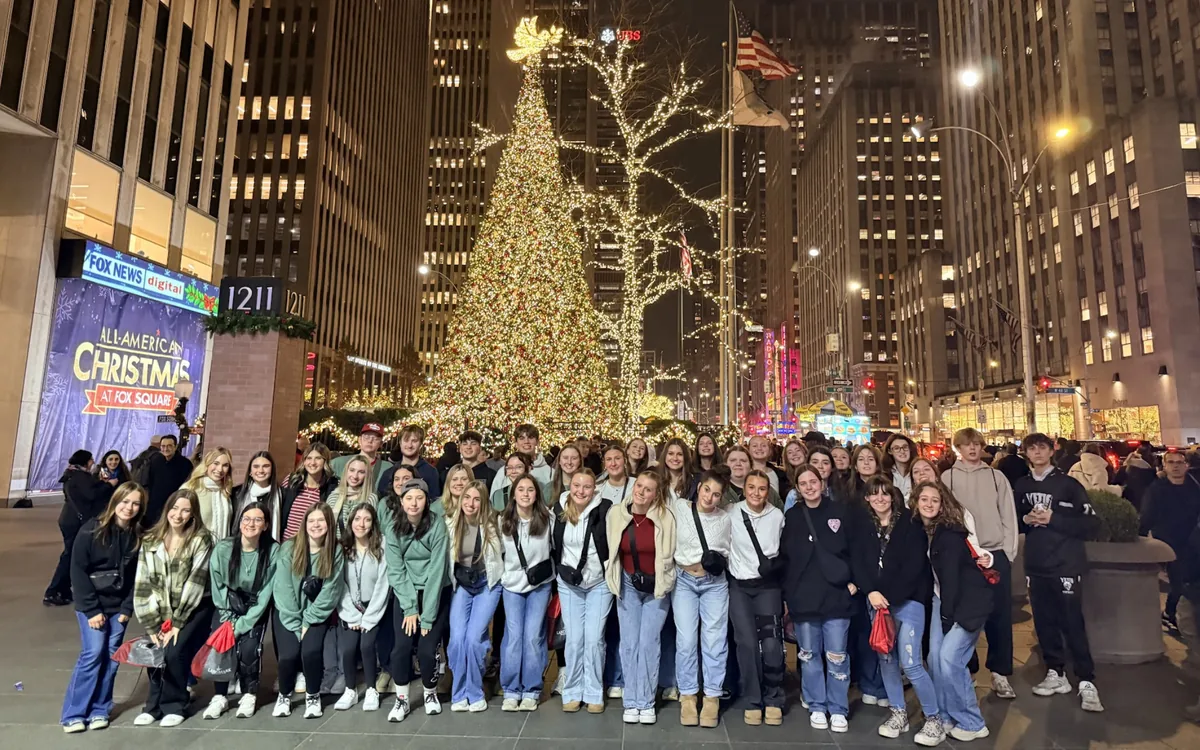
Rockefeller Center works as a first stop because it is compact, it is free to walk, and it gives a group its bearings. The backstage tour of Radio City Music Hall is the stop that surprises teachers: students who expected a theater get the stage machinery, the organ, and a building that was designed when a theater was the most advanced technology in the city. If the performing arts are the reason for the trip rather than a stop on it, our guide to planning a Broadway-focused trip is the better starting point.
Evening — Fifth Avenue and dinner
Fifth Avenue from Rockefeller Center down past St. Patrick’s Cathedral is a twenty-minute walk that costs nothing and orients the group for the rest of the trip. Then a sit-down group dinner, then the hotel. Three stops is the right number for an arrival afternoon — the group has traveled to get here, and tomorrow is the long day.
Day 2: The Full Day
This is the day with the most room in it. It runs south to the 9/11 Memorial, back north to Central Park, and finishes above the city.
Morning — the 9/11 Memorial and Museum
Go early, and go first. The museum is emotionally heavy and students absorb it better before they are tired, not after. Brief them before they go in rather than inside, where it is quiet and should stay that way. Budget more time than feels necessary; groups that allow ninety minutes routinely want two hours. The 9/11 Memorial and Museum publishes its group booking requirements, and they are worth reading before you fix the morning.
Afternoon — Central Park with a local guide
The contrast is deliberate and it does real work. Coming out of the museum into a park is the right emotional sequence, and a local guide turns a walk into a lesson — Bethesda Terrace, the Mall, Bow Bridge, and the fact that every inch of the apparently natural landscape was designed and built — a point the Central Park Conservancy documents in detail if you want to brief students beforehand.
Evening — the Empire State Building after dark
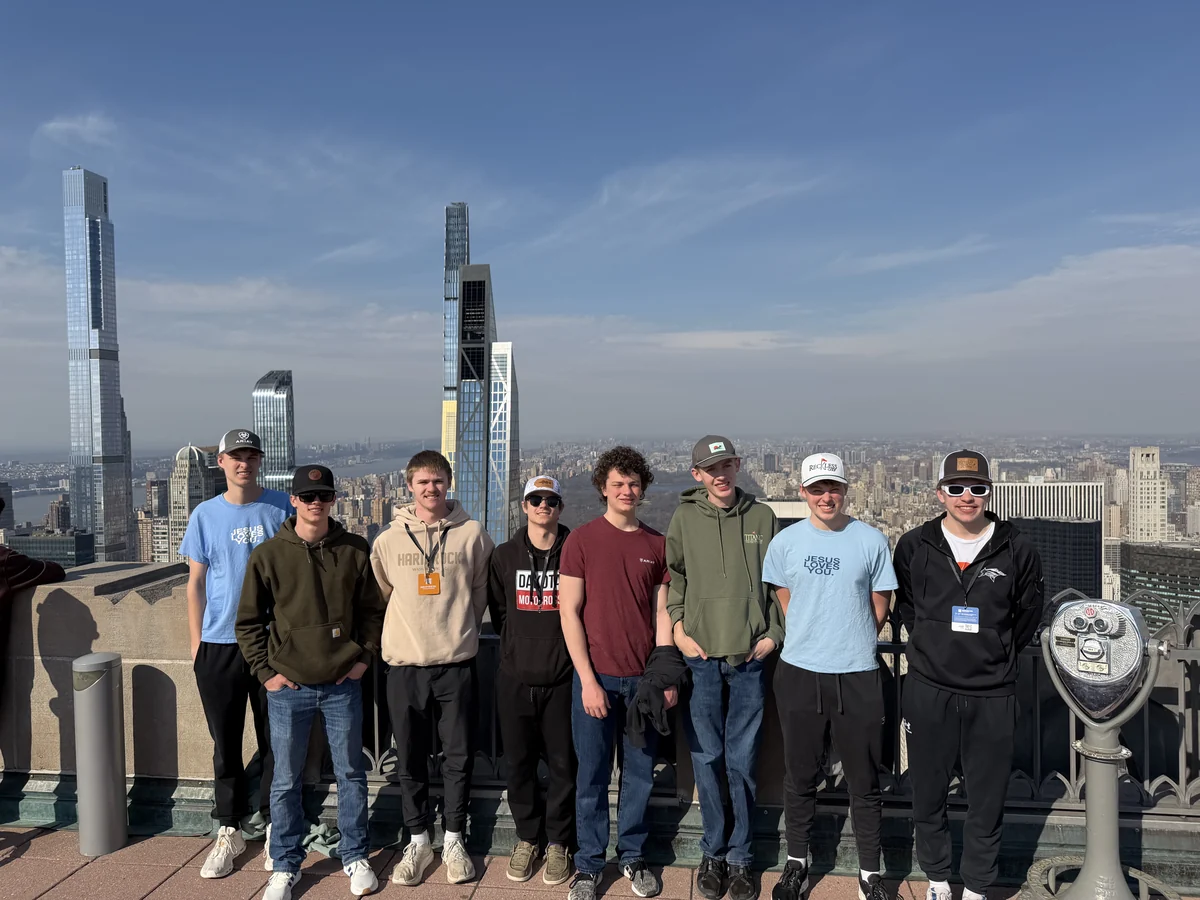
Finish above the city. Students who have spent the day at street level get the plan of the island in one view, and the trip acquires an ending rather than just stopping. Book a timed slot at the Empire State Building and go up after dinner.
Day 3: The Harbor, Then Home
The harbor is the right size for a departure morning, which is what makes day three a real day rather than a drive to the airport.
Morning — Statue Cruises and Ellis Island
The ferry from Battery Park to Liberty Island and Ellis Island fits a departure morning almost exactly. Ellis Island is the stop that does the academic work: students with immigrant grandparents or great-grandparents can often find the name in the passenger records, which are searchable before you travel, and a class that has studied immigration gets the archive rather than the postcard.
Late morning — Times Square, then home
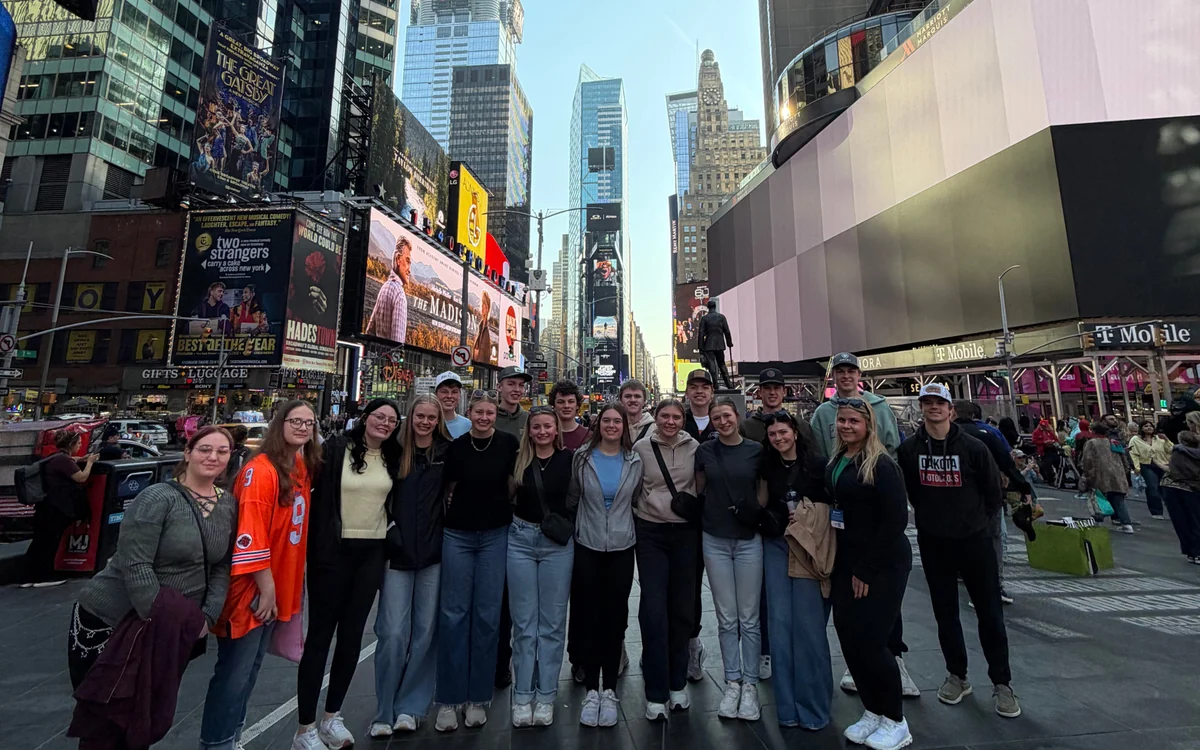
Times Square on the way out is the right placement. It is loud, it is the picture everyone wants, and it asks nothing of a group that is finished. Boxed lunch, group photo, and the journey home.
Getting There, and Getting Around
Groups come to New York from all over the country, and how you arrive is part of the planning rather than an afterthought. Landmark arranges motorcoach travel, and where the itinerary calls for it, Amtrak and rail; flights are quoted separately for groups traveling from further afield. Whichever way your group arrives, the first afternoon is built around it.
Once you are in the city, the three-area shape above does most of the work. Midtown is walkable end to end, which is why the arrival day is built there. Central Park and Lower Manhattan are a short ride from Midtown and from each other, and your Tour Director will use whichever combination of coach, subway and walking keeps the day moving on the day — which in New York can change with the weather and the traffic.
The supervision side is a sub-group question rather than a safety one: small groups with named adults, rather than a column of forty. Our guide to planning a safe and educational school trip to NYC covers how groups actually move through the city, and how many chaperones you need covers the ratio.
Swapping Stops for Your Subject
The spine above is a general-interest trip. Three days is short enough that a subject focus usually produces a better trip than a sampler, and Landmark runs the focused versions as their own programs.
| Focus | What changes |
|---|---|
| Performing arts | A Broadway workshop, a Broadway show and Top of the Rock replace the museum day. See the NYC Performing Arts Tour |
| Art | The Met and the Guggenheim become day two, with a Broadway show in the evening. See the art-focused tour |
| STEM | Swap Central Park for a science institution. Our STEM attractions in New York covers the options |
| Immigration and civics | Give Ellis Island a full morning rather than a departure slot, and move Times Square to day one |
| General interest | Keep the spine above. It is the version that suits a first trip and a mixed group |
What Three Days Does Especially Well
Short trips have a quality that longer ones sometimes lose: nothing on the itinerary is filler. Every stop in the three days above is one a student would name if you asked them afterwards what they saw in New York.
It also suits a group traveling together for the first time. Two nights is enough for students to settle without anyone getting homesick, the days are full enough that evenings are easy, and the whole thing fits comfortably inside a long weekend or a short mid-week block — which is usually what a school calendar can actually give you.
If you want more room for a second museum, Brooklyn or a Broadway show without moving anything else, that is what the fourth day is for, and it is covered further down.
How It Changes by Grade
The same three days run differently depending on who is walking them.
| Grade | What to change |
|---|---|
| Middle school | Shorter museum blocks and an earlier finish on the full day, with the Empire State slot before dinner rather than after |
| High school | The itinerary above as written, with smaller sub-groups and a later evening. Add a Broadway show if the budget allows |
| Mixed ages | Plan to the younger half for pacing and to the older half for content. The two halves rarely conflict as much as teachers expect |
What a Fourth Day Would Add
A fourth day is the single biggest upgrade available to a New York trip, and it does not buy you more Midtown. It buys Brooklyn and the bridge at dusk, a second museum at a proper pace, a Broadway show without moving anything else, and an evening that is not the last one.
Our 4-day New York City school trip is the version with the room in it, and the holiday itinerary is worth reading if your dates land in December.
What a 3-Day New York Trip Costs
New York sits toward the upper end of the domestic range, because Manhattan lodging is the most expensive of any American school trip destination and most of the city’s signature stops charge admission.
| Item | What to expect |
|---|---|
| Three days, all in | About $900 to $1,200+ per student |
| Per student, per day | $300 to $400+, fully inclusive |
| Included | Transportation, hotel, the meals in the itinerary, every scheduled admission, and a Tour Director |
| Quoted separately | Gratuities, spending money, travel protection |
| Biggest cost driver | Lodging. Where the hotel sits changes both the price and how much of the day you spend commuting |
| Biggest saving lever | Four students to a room. It is the single largest lever on a New York quote |
| Deposit | $50 per traveler on land transportation |
Our full breakdown of New York school trip costs works through each line, and what a three-day trip costs compares New York against other destinations at the same length.
Who Is Landmark Educational Tours?
Landmark Educational Tours is a 100% employee-owned educational travel company at 1 Central Street, Suite 205, Middleton, Massachusetts, planning custom trips for school groups across the United States and abroad. We are a member of the Student & Youth Travel Association, SYTA, member number 13443.
Every group travels with a Landmark Tour Director, our own employee, who handles the timing — which on a three-day New York trip is most of the work. You can read more about Landmark or work through our frequently asked questions.
Building Your Three Days
The summary: let the geography set the order, give each day one part of the city, and leave enough room in the full day to stand still in the places worth standing still in.
Tell us your dates, your grade level and what your group most wants out of it, and we will build the three days around that. Browse our New York City programs or request a quote and we will put real numbers against it.