How Was the Statue of Liberty Built? The Remarkable Story of America’s Symbol of Freedom
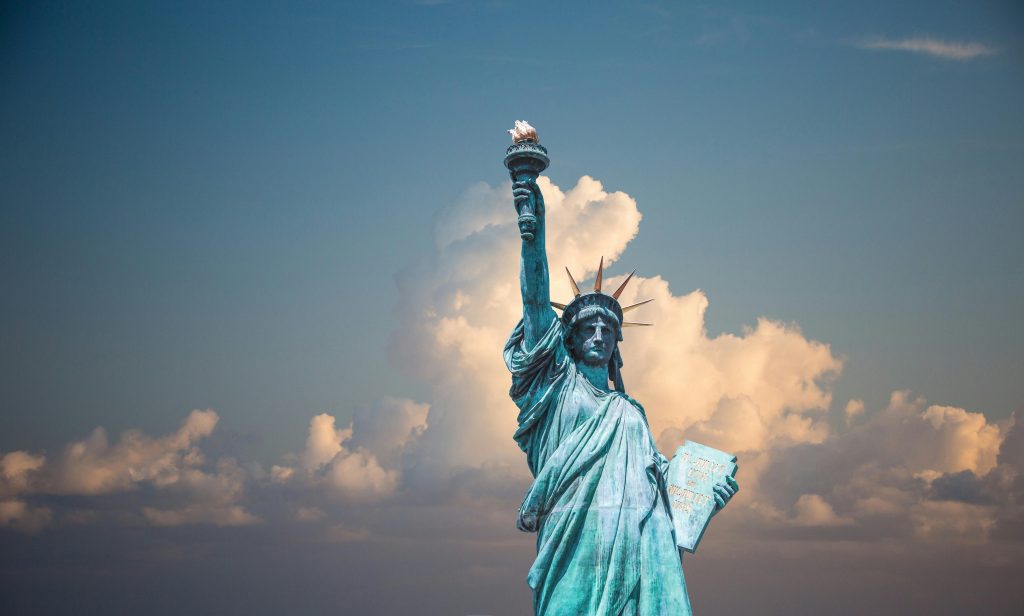
Standing proudly in New York Harbor, the Statue of Liberty has long symbolized freedom, democracy, and hope. Gifted by France to celebrate friendship and shared values between two nations, the statue is not only a cultural icon but also an extraordinary achievement in art and engineering. But how was the Statue of Liberty built? Let’s dive into the captivating history behind Lady Liberty’s construction.
How Was the Statue of Liberty Built?
Origins and Inspiration
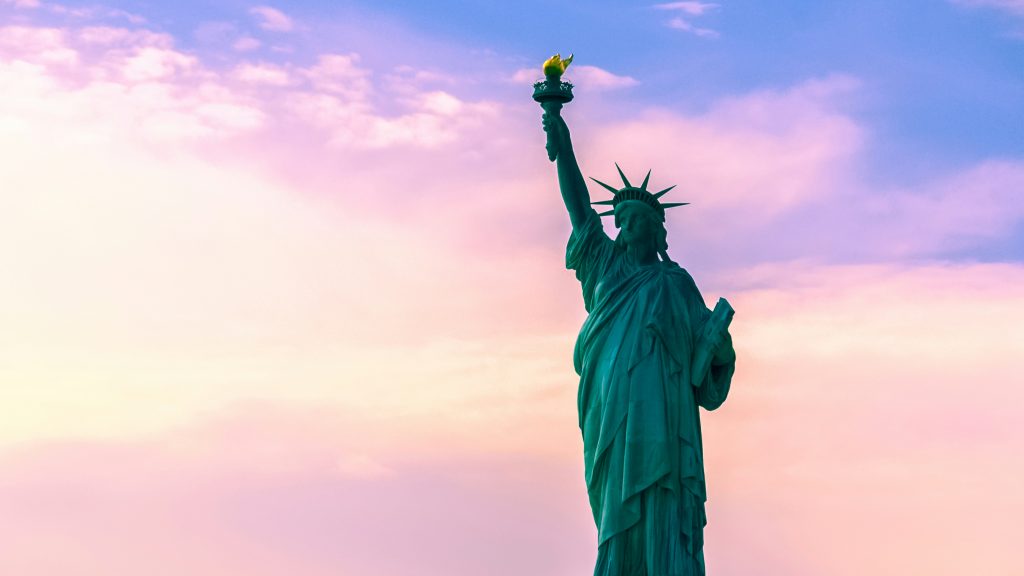
The Statue of Liberty, officially named “Liberty Enlightening the World,” was first conceived by French sculptor Frédéric Auguste Bartholdi. Inspired by the desire to commemorate the United States’ centennial of independence, Bartholdi envisioned a monument that would symbolize freedom and democracy. After visiting America in 1871, Bartholdi chose Bedloe’s Island (now Liberty Island) as the ideal location for his ambitious project.
Innovative Engineering by Gustave Eiffel
While Bartholdi was the visionary behind the statue’s design, he collaborated with the famed engineer Alexandre Gustave Eiffel—later celebrated for designing the Eiffel Tower—to tackle the structural challenges of creating such a massive statue. Eiffel’s innovative internal framework, made of iron beams and supports, was designed to withstand high winds, temperature fluctuations, and the overall stress of holding together hundreds of copper plates, ensuring the statue’s longevity.
Crafting Lady Liberty’s Copper Skin
The statue’s exterior is crafted entirely from sheets of copper, each about the thickness of two stacked pennies. Bartholdi and his skilled team meticulously hammered each copper sheet into wooden molds, forming precise contours and textures. Over time, the copper naturally oxidized, giving Lady Liberty the characteristic green patina that is recognized worldwide today.
Construction, Disassembly, and Transportation
Construction began in France in the mid-1870s, and it took approximately a decade to complete the massive project. Due to its immense size, the completed statue could not be transported in one piece. Instead, it was carefully disassembled into over 350 individual parts, meticulously packed into crates, and shipped across the Atlantic Ocean aboard the French ship Isère.
Arrival in America and Reassembly
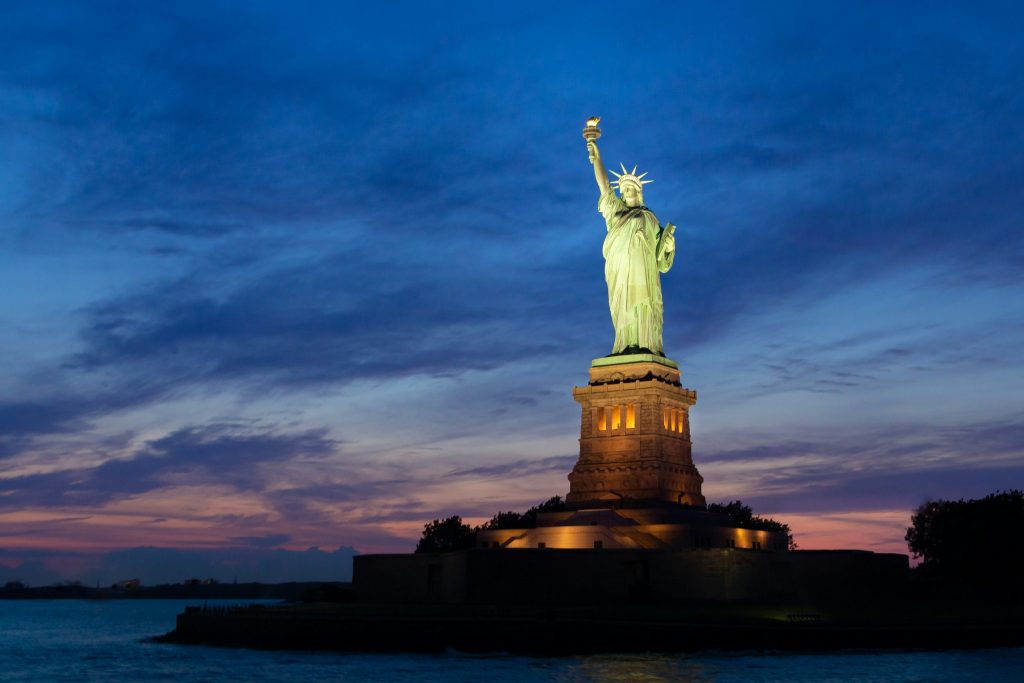
Upon arriving in New York Harbor in June 1885, American workers faced the enormous task of reassembling the statue atop the pedestal, which itself had been funded and constructed through extensive fundraising efforts led by American citizens. The reassembly process took several months, combining engineering precision and craftsmanship, to ensure the statue would stand securely and proudly overlooking the harbor.
Dedication and Historical Impact
The Statue of Liberty was officially dedicated on October 28, 1886, in a ceremony attended by thousands of enthusiastic spectators. President Grover Cleveland presided over the event, marking the statue’s formal introduction as a cherished American symbol. Since then, Lady Liberty has stood as a beacon of freedom, welcoming millions of immigrants and visitors from around the globe.
Today, a visit to the Statue of Liberty and Ellis Island offers powerful insights into America’s heritage and the immigrant experience, making it a cornerstone of educational journeys to New York City.
Contact Landmark Educational Tours today to start planning your unforgettable educational adventure to the Statue of Liberty and beyond.

How To Choose a Reliable Student Travel Agency
A reliable student travel agency is a partner that supports your educational goals and student fulfillment. Learn how to choose a reliable partner.

Best Educational Tours in California
Best Educational Tours in California give students the chance to explore a state filled with innovation, history, and natural beauty. From world-class museums and iconic landmarks to coastal cities and science centers, these tours offer hands-on learning experiences that bring education to life across California.

School Field Trips to NYC
School Field Trips to NYC offer students an unforgettable learning experience in one of the world’s most dynamic cities. From iconic landmarks and renowned museums to cultural neighborhoods and performing arts, school field trips to NYC bring history, art, and real-world learning to life in New York City.