School Trip to Boston: Why It’s One of the Best Student Travel Experiences in America
A school trip to Boston where the American Revolution was organized, argued over, and ultimately ignited. It’s where the Freedom Trail connects sixteen of the nation’s most significant historic sites in a single walkable route. It’s where Paul Revere’s house still stands in the same North End neighborhood where he lived. It’s where the harbor that witnessed one of history’s most famous acts of colonial defiance is still very much present, now home to one of the most immersive historic museums in New England.
School Trip to Boston
What Makes Boston Such a Powerful Educational Destination
The best school trips aren’t the ones where students see the most things — they’re the ones where students understand the most things. Boston excels at that distinction because its history isn’t locked away in glass cases. It’s embedded in the city itself.
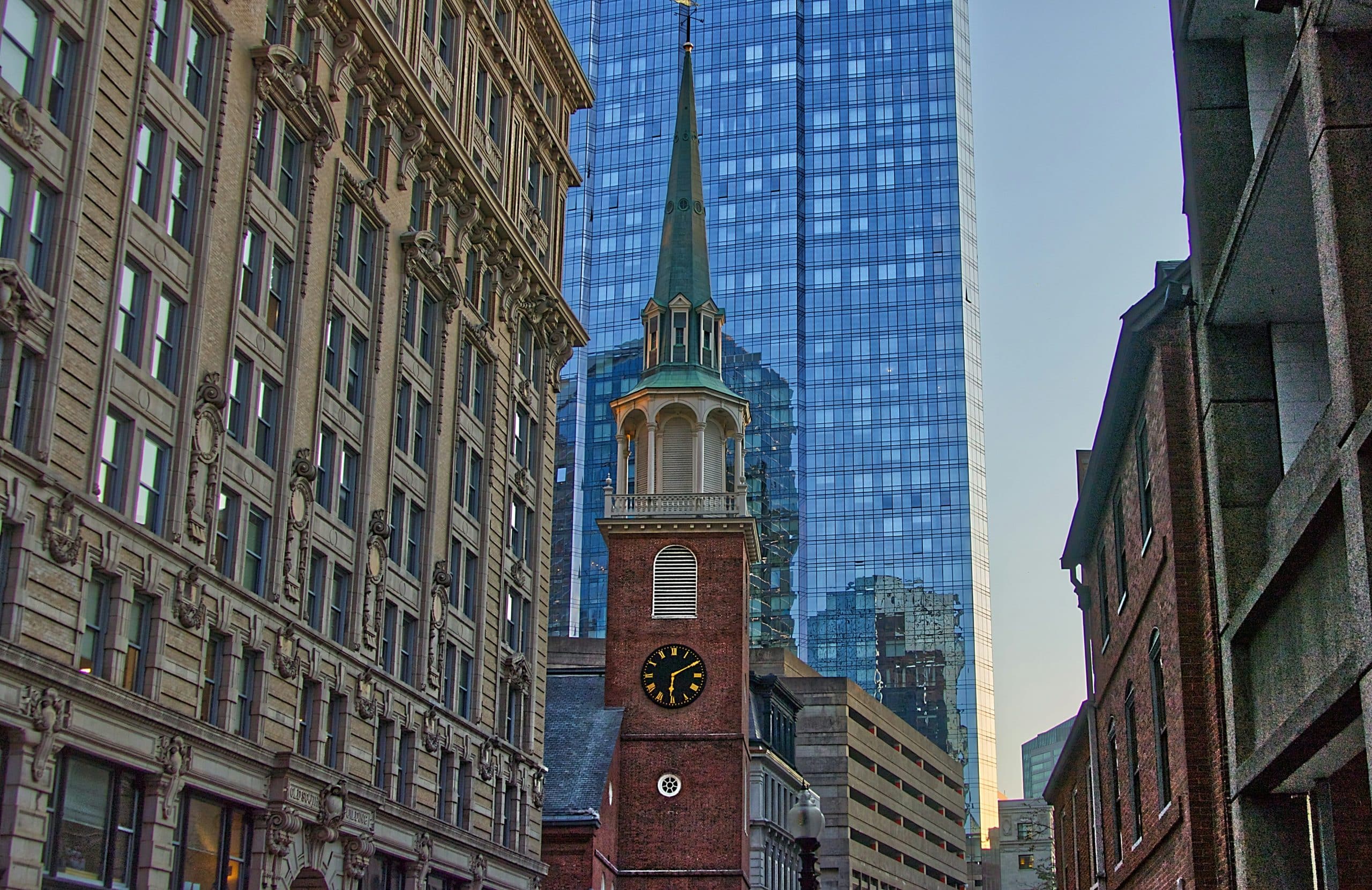
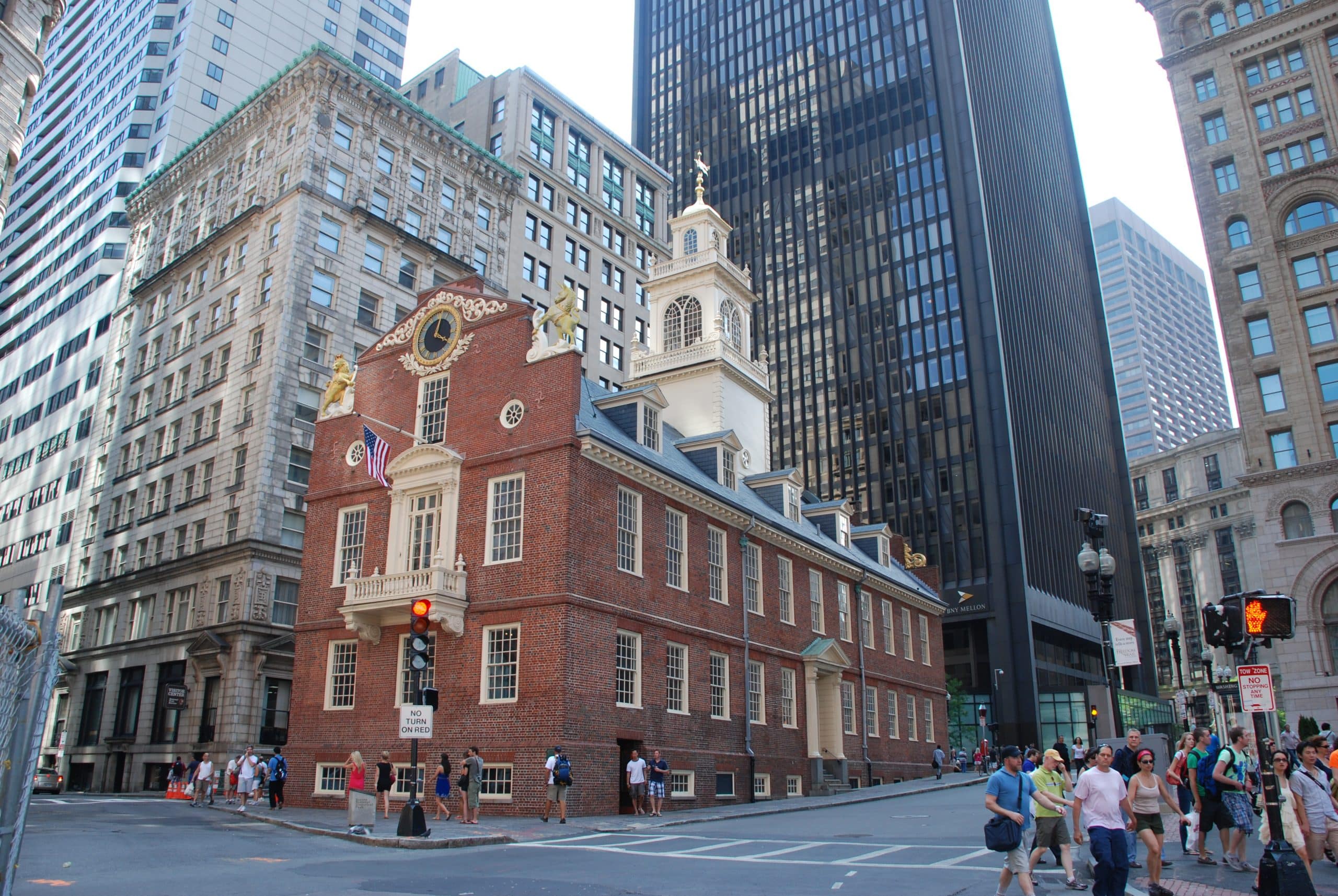
Walking the Freedom Trail, students aren’t observing history from a distance. They’re standing on the exact ground where it happened. The Old South Meeting House is where thousands of colonists gathered on the night of the Boston Tea Party to make the decision that changed everything. The site of the Boston Massacre is marked in the street, just steps from the Old State House where the Declaration of Independence was first read aloud to Bostonians. The Granary Burying Ground holds the graves of Samuel Adams, John Hancock, Paul Revere, and the victims of the Boston Massacre — figures students have read about in textbooks, suddenly made very real.
That physical connection between student and history is what separates a school trip to Boston from classroom learning. It’s one thing to memorize a sequence of events. It’s another to stand in the places where those events unfolded and feel the weight of them.
The Freedom Trail: Boston’s Greatest Classroom
No discussion of a school trip to Boston is complete without the Freedom Trail. The 2.5-mile route connects sixteen historic sites through downtown Boston and the North End, marked by a red line painted directly on the sidewalk. It’s one of the most effective educational tools in American public history — accessible, self-pacing, and genuinely engaging for students of all ages.
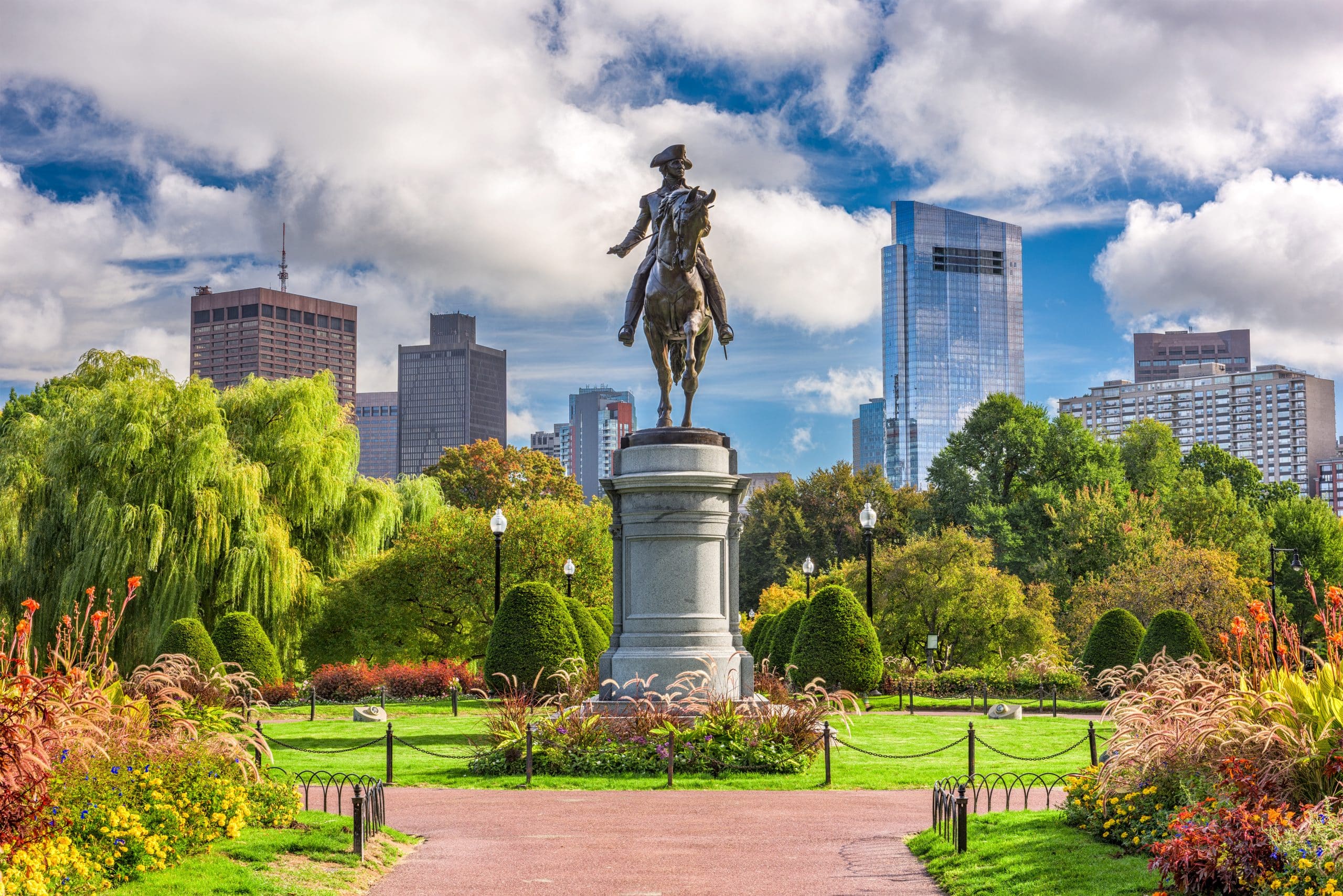
Key stops along the Freedom Trail include the Massachusetts State House, whose golden dome has watched over Boston Common since 1798. The Park Street Church, where abolitionist William Lloyd Garrison delivered his first public antislavery speech in 1829. The King’s Chapel Burying Ground, the oldest cemetery in Boston, where many of the city’s earliest colonists are buried. The Paul Revere House, the oldest remaining structure in downtown Boston and the home of one of the Revolution’s most iconic figures.
The Freedom Trail also includes the Old North Church, where two lanterns were hung in the steeple to signal the movement of British troops — the moment that sent Revere on his midnight ride. Standing inside that church, students can look up at the steeple and understand, in a way no textbook can fully communicate, exactly what that signal meant and what it set in motion.
For a school trip to Boston focused on American history, the Freedom Trail alone would justify the journey. But Boston offers far more.
The Boston Tea Party Ships and Museum: History You Can Participate In
One of the most powerful experiences on any school trip to Boston is a visit to the Boston Tea Party Ships and Museum. This isn’t a passive museum experience — it’s a fully immersive reenactment of one of the most consequential nights in American history.
Students participate in a recreation of the December 16, 1773 town meeting at the Old South Meeting House, hearing the arguments that drove colonists to action and ultimately to the harbor. They board full-scale replica ships moored in the very harbor where the original event took place. The exhibits inside trace the causes, events, and aftermath of the Tea Party with depth and clarity that serves students studying Colonial history, civics, and the causes of the American Revolution.
Paul Revere’s House and the North End
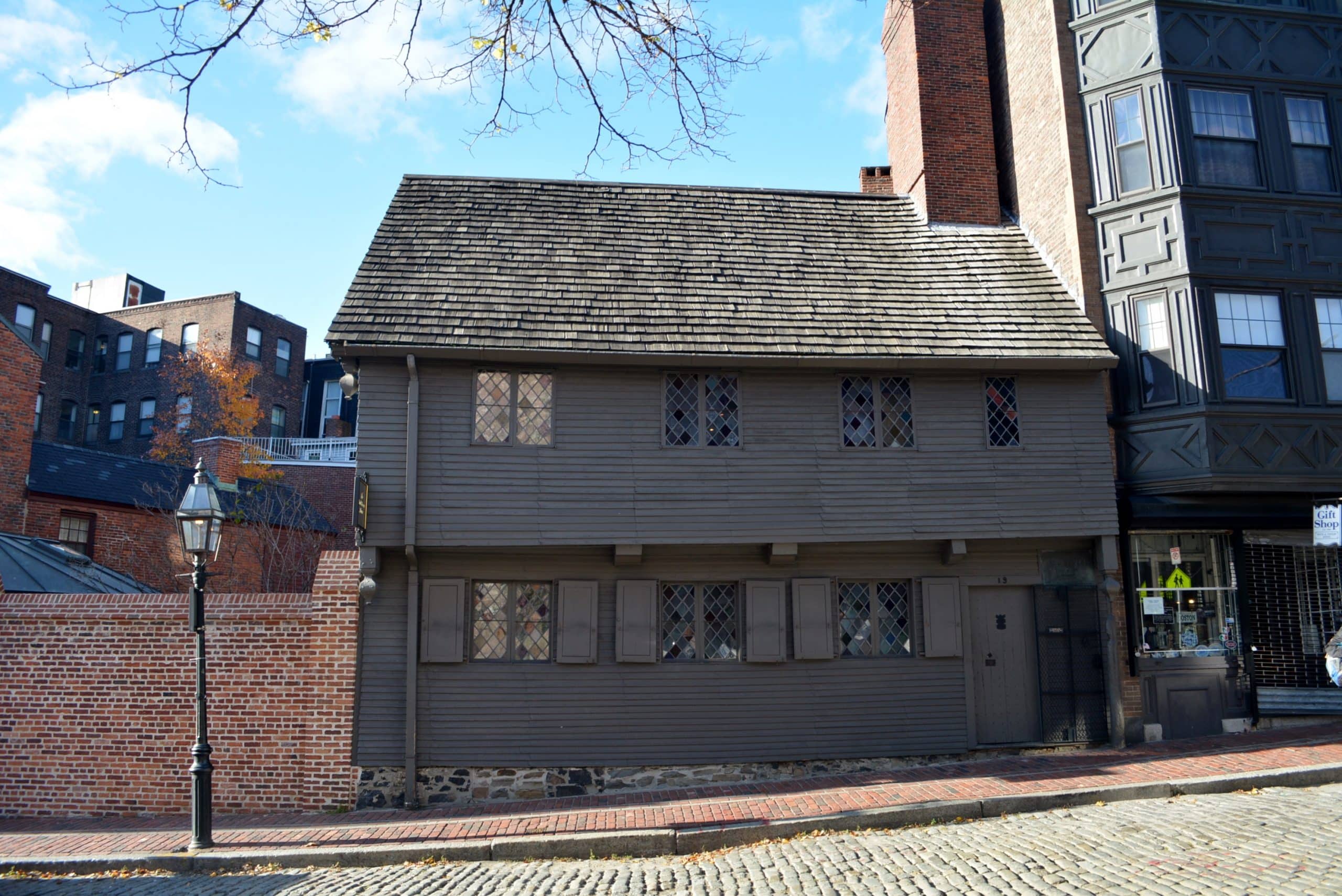
The Paul Revere House in the North End is the oldest remaining structure in downtown Boston, and visiting it on a school trip to Boston is one of those experiences that genuinely shifts something in how students relate to history.
Paul Revere’s midnight ride is one of the most famous stories in American history. Most students arrive already knowing the outline of it. But there’s a profound difference between knowing the story and standing inside the actual house where Revere lived, raised his sixteen children, ran his silversmith business, and walked out the door on the night of April 18, 1775. The house makes him human in a way that no portrait or biography quite achieves.
The North End neighborhood surrounding the house is itself historically rich. Boston’s oldest neighborhood, it retains much of its colonial street pattern and architectural character. Walking through it gives students a genuine sense of the physical environment in which the Revolution was organized — the narrow streets, the close-packed buildings, the sense of a community living and working in tight quarters.
Beacon Hill: Layers of Boston History
A school trip to Boston that includes Beacon Hill is a school trip that tells a more complete American story. One of the most visually striking neighborhoods in the country, Beacon Hill is often appreciated for its Federal-style architecture, its gas-lit streets, and its commanding views over Boston Common.
But Beacon Hill also carries profound significance in African American history that deserves serious attention on any student visit. The north slope of Beacon Hill was home to a thriving free Black community in the decades before the Civil War. The African Meeting House — the oldest surviving Black church building in the United States — stands on Joy Street. The Museum of African American History, housed across two historic buildings on Beacon Hill, tells the story of that community with depth and care.
For students studying African American history, abolitionism, or the fuller complexity of American democracy, Beacon Hill provides experiences and perspectives that enrich the entire Boston visit considerably.
The New England Aquarium: Science on a School Trip to Boston
The New England Aquarium makes Boston a genuinely compelling destination for science programs as well. The aquarium’s Giant Ocean Tank — a four-story cylindrical reef ecosystem home to sea turtles, sharks, rays, and hundreds of fish species — is one of the most impressive marine exhibits in the Northeast. Beyond the spectacle, the aquarium’s conservation programming connects what students observe directly to themes of marine biology, ocean health, climate change, and environmental stewardship.

Beyond the City: Lexington and Plimoth Patuxent
Some of the most powerful experiences on a school trip to Boston actually happen just outside the city, and building day trips into the itinerary significantly expands the educational scope of the visit.
Lexington Battle Green is where the first armed confrontation of the American Revolutionary War took place on April 19, 1775. For students who have spent time in Boston absorbing the political and social buildup to the Revolution, standing on the Battle Green where it finally erupted into open conflict is an extraordinarily affecting experience. The Lexington Minuteman statue, the historic markers, and the guided walking tours that bring the morning of April 19th to life make this one of the most moving stops on any Boston-area itinerary.
Plimoth Patuxent — one of the country’s finest living history museums — adds a different but equally important dimension to the school trip. The Wampanoag Homesite is staffed by Indigenous community members who share the history and culture of the Wampanoag Nation from their own perspective, providing a genuinely distinctive experience unavailable elsewhere. The English Village recreates Plimoth Colony as it existed in 1627, with costumed role players inhabiting specific historical figures in period dialect. Together, these two sites give students a more honest and complete picture of early American history than almost any other museum experience available.
Boston for Different Curriculum Areas
One of the great strengths of a school trip to Boston is its versatility. It isn’t a destination that works for one type of curriculum — it works for many.
For American history and social studies programs, the Freedom Trail, the Boston Tea Party Ships, Paul Revere’s House, and Lexington Battle Green deliver an exceptional immersive experience across the full arc of the Colonial and Revolutionary periods.
For English literature programs, Boston and the surrounding region offer remarkable connections. The homes of Louisa May Alcott, Ralph Waldo Emerson, and Henry David Thoreau are all accessible from Boston. Salem — the setting and subject of Arthur Miller’s The Crucible — is a short drive away, and Landmark’s dedicated Salem itinerary brings the play and the historical events behind it to life in the actual place where they occurred.
For science programs, the New England Aquarium provides strong marine biology and environmental content. And for students beginning to think about college, Boston’s concentration of world-class universities — Harvard, MIT, Boston University, Northeastern, and more — makes it a natural destination for college exploration programming.
Whatever your students are studying, a school trip to Boston has something substantive to offer them.
What to Expect When You Travel with Landmark Educational Tours
Every Boston school trip is fully customized to your group’s curriculum, grade level, interests, and budget. Landmark’s team works with you to build an itinerary that reflects what your students are learning and the schools interests for their students to experience on a school trip to Boston.
A school trip to Boston with Landmark Educational Tours is one of the most educationally rewarding experiences you can offer your students. From the Freedom Trail to the Boston Tea Party Ships, from Paul Revere’s House to the battleground at Lexington, Boston delivers history that is vivid, accessible, and genuinely transformative for student learners.
Ready to start planning your group’s school trip to Boston? Contact the Landmark Educational Tours team today to request a free custom quote and begin building an itinerary your students will never forget.