Uncovering the History Behind America’s Most Iconic Residence
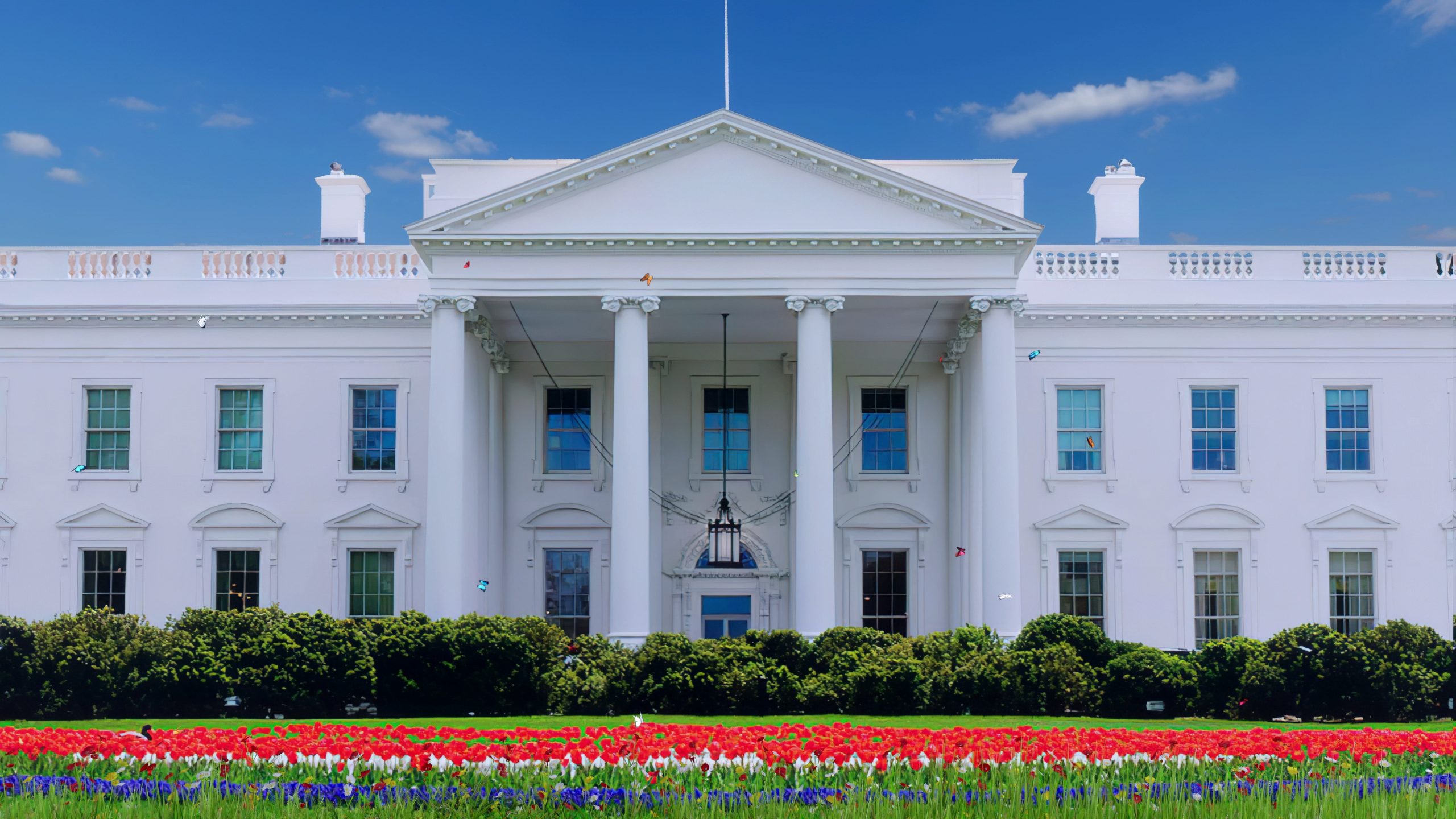
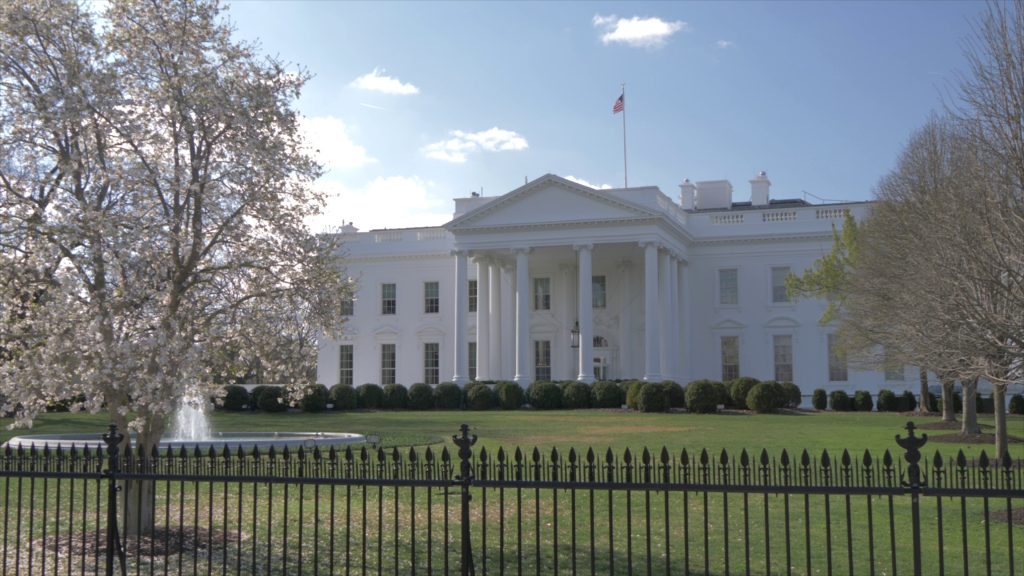
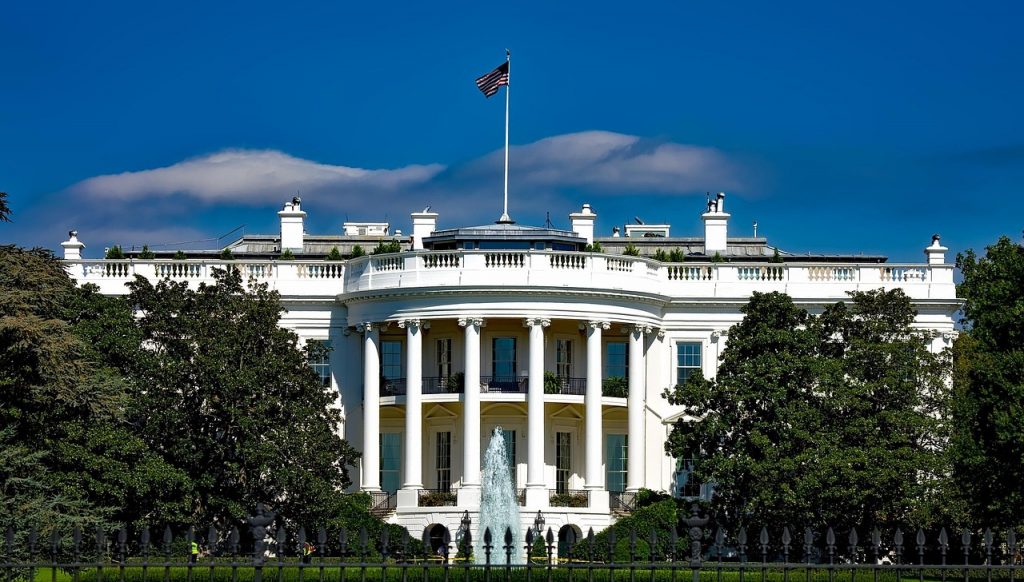
The White House stands as one of the most recognizable symbols of America, serving as the official residence and workplace of the President of the United States. Yet, few people fully understand the remarkable story behind who built this iconic landmark.
Who Built the White House?
The Architect and Original Designer
The White House was originally designed by Irish-born architect James Hoban. Chosen through a design competition initiated by President George Washington in 1792, Hoban’s concept was inspired by the Leinster House in Dublin, Ireland, now home to the Irish Parliament. Hoban supervised the initial construction, reconstruction after the War of 1812, and later expansions, shaping the White House into the structure we recognize today.
Crafting a Landmark
Though architect James Hoban is most often credited, the construction of the White House was the result of a large and varied workforce. Talented stonemasons, carpenters, brickmakers, and artisans—many from Europe and the early American colonies—contributed their skills to every phase of the building process. Their combined efforts laid the foundation for what would become one of the most iconic structures in American history.
Timeline of Construction
The construction of the White House began in 1792 and took eight years to complete. President John Adams and his wife Abigail were the first to move into the still-unfinished residence in November 1800. However, the building we know today has undergone many renovations and expansions, especially following the burning of the White House by British troops during the War of 1812.
Rebuilding and Expansion
After being burned in 1814, James Hoban returned to oversee the reconstruction. The White House has since experienced multiple renovations, including extensive work during President Truman’s administration in the late 1940s to reinforce its structural integrity. Throughout its history, numerous architects, designers, and workers have contributed to its ongoing legacy.
The Craftsmanship Behind an American Icon
The White House stands as a symbol of the nation’s resilience and vision, brought to life through the talents of skilled architects, builders, and artisans. Every stone and detail reflects the creativity, hard work, and craftsmanship that helped shape one of the most recognized landmarks in the world.
Experience the Stories Behind America’s Landmarks
Discover the rich history and inspiring stories behind America’s most iconic landmarks. Our team is dedicated to creating meaningful, educational experiences specially designed for students and groups.
Contact Landmark Educational Tours today to begin planning your educational journey to Washington, D.C.!