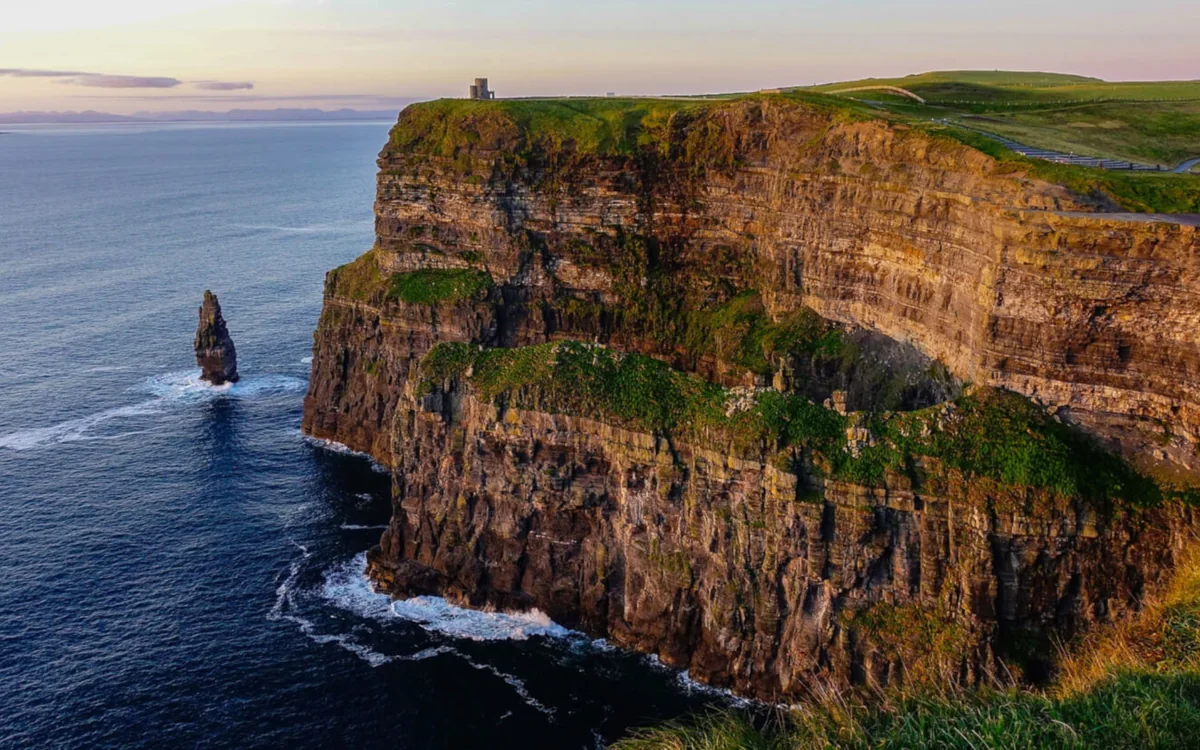
The historic sites students should visit on an Ireland school trip are Newgrange, Glendalough, the Rock of Cashel, Blarney Castle, Trinity College and the Book of Kells, and Belfast. Taken in that order they run from the Neolithic to the present, which is why Ireland works so well for a history class.
Most guides list Irish sites geographically. This one lists them chronologically, because that is how a history teacher plans a unit and because Ireland is one of the few countries where a single itinerary can cover five thousand years without doubling back.
The short version, oldest first:
- Newgrange — a passage tomb built some 5,000 years ago
- Glendalough — a 6th-century monastic settlement
- The Rock of Cashel — medieval seat of the kings of Munster
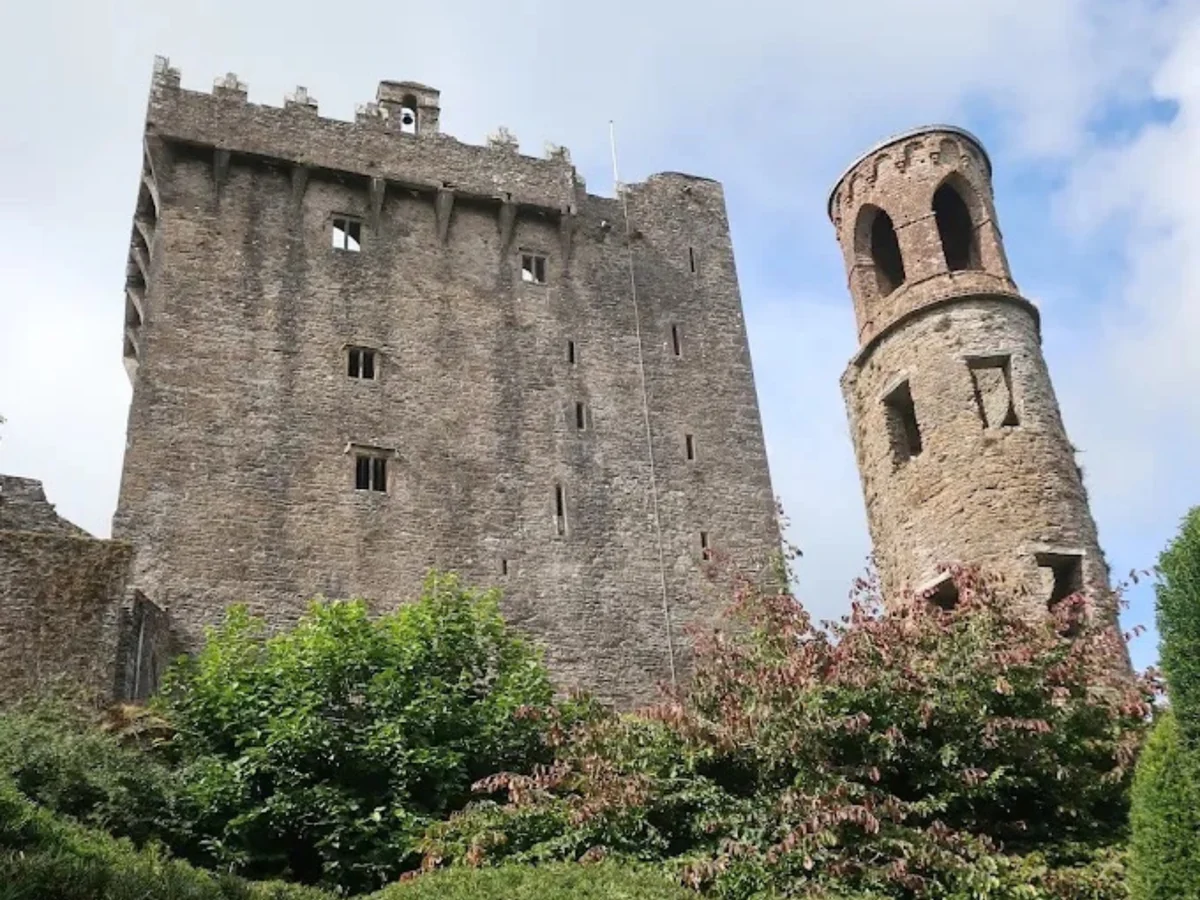
- Blarney Castle — a 15th-century tower house students can climb
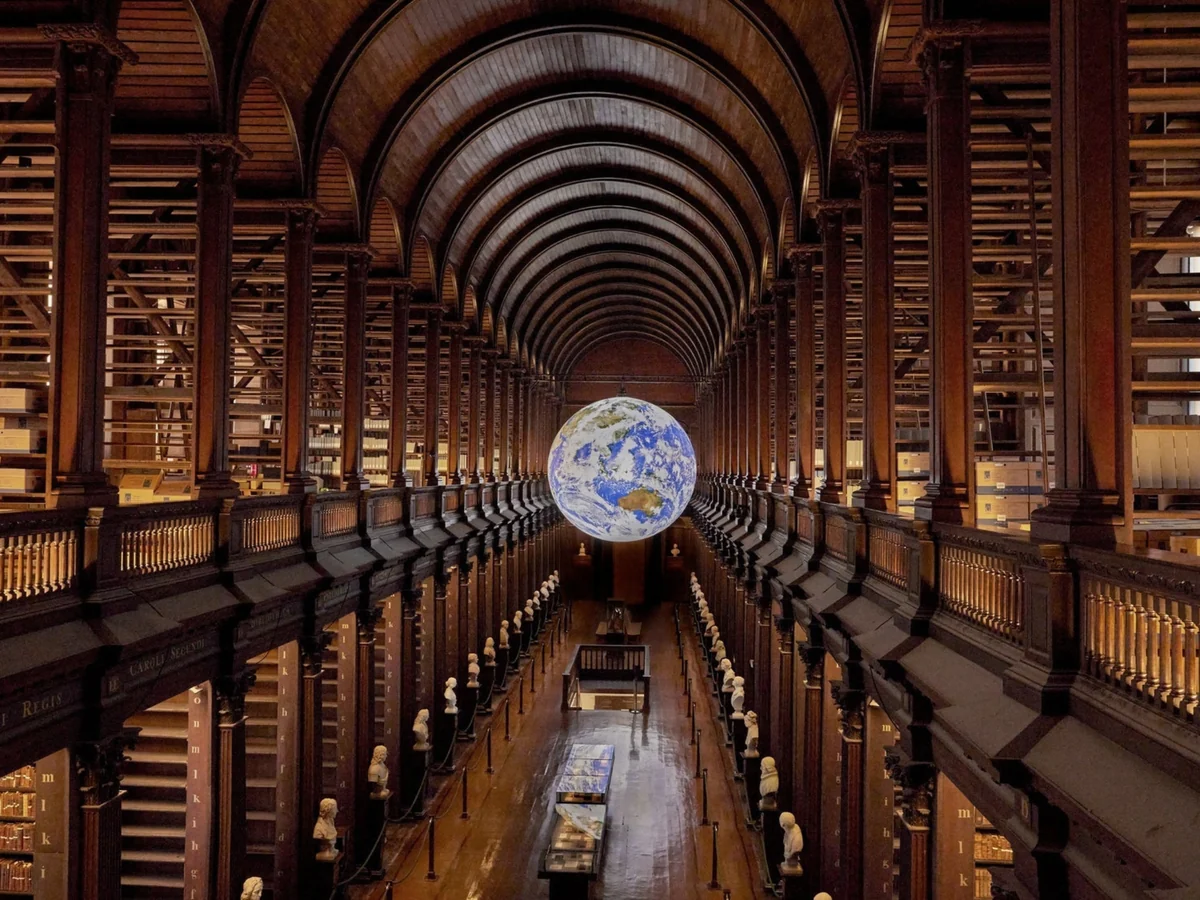
- Trinity College and the Book of Kells — the manuscript and the Long Room
- Belfast — the Troubles, the Peace Walls and a city still changing
Below is each site, what students see, and where it sits in the story. You can request a quote at no cost before committing to anything.
Ireland Historic Sites at a Glance
| Item | Detail |
|---|---|
| The chronological spine | Newgrange, Glendalough, Cashel, Blarney, Trinity College, Belfast — Neolithic to modern |
| The oldest | Newgrange, built some 5,000 years ago, within the Brú na Bóinne World Heritage Site |
| World Heritage Sites | Brú na Bóinne, inscribed in 1993, and the Giant’s Causeway |
| Typical trip length | Nine days. Ireland is compact but the sites are spread across the island |
| Strongest curriculum fit | World history, archaeology, English literature, and modern conflict and peace studies |
| Documentation | International travel by air, so every traveler needs a passport |
| Landmark program | Historic Ireland, nine days and eight nights |
The Six Sites in Order
This is the sequence, and the reason Ireland suits a history course.
| Site | What students see |
|---|---|
| Newgrange Neolithic | A passage tomb built some 5,000 years ago, with a roofbox aligned to the midwinter sunrise |
| Glendalough 6th century | A monastic settlement with a round tower and church ruins in a glacial valley |
| Rock of Cashel Medieval | Cormac’s Chapel, a Gothic cathedral and a round tower on a limestone outcrop |
| Blarney Castle 15th century | A tower house students climb, with spiral stairs, thick walls and the Blarney Stone |
| Trinity College Georgian | The Book of Kells and the Long Room, the vaulted library chamber lined with busts |
| Belfast Modern | The Peace Walls, political murals, shipbuilding heritage and the Cathedral Quarter |
Newgrange: Older Than Stonehenge
Start here, because nothing else on the itinerary resets a student’s sense of time so quickly.
Newgrange is a passage tomb in the Boyne Valley, built some 5,000 years ago in the Neolithic, and it predates both Stonehenge and the Egyptian pyramids. It sits within Brú na Bóinne, a World Heritage property inscribed in 1993 and described by the Irish state as the richest archaeological landscape in Ireland.
The wider site holds three large passage tombs, Knowth, Newgrange and Dowth, around forty satellite passage graves, and Europe’s largest concentration of prehistoric megalithic art.
Our Ireland field trip ideas guide covers the Boyne Valley alongside the rest of the island. The detail students remember is the roofbox above the entrance, built so that the midwinter sunrise reaches the chamber at the back. People aligned a stone building to the solstice five thousand years ago, and it still works.
Glendalough: Early Christian Ireland
From the Neolithic the itinerary jumps to the sixth century, and to a different kind of building altogether.
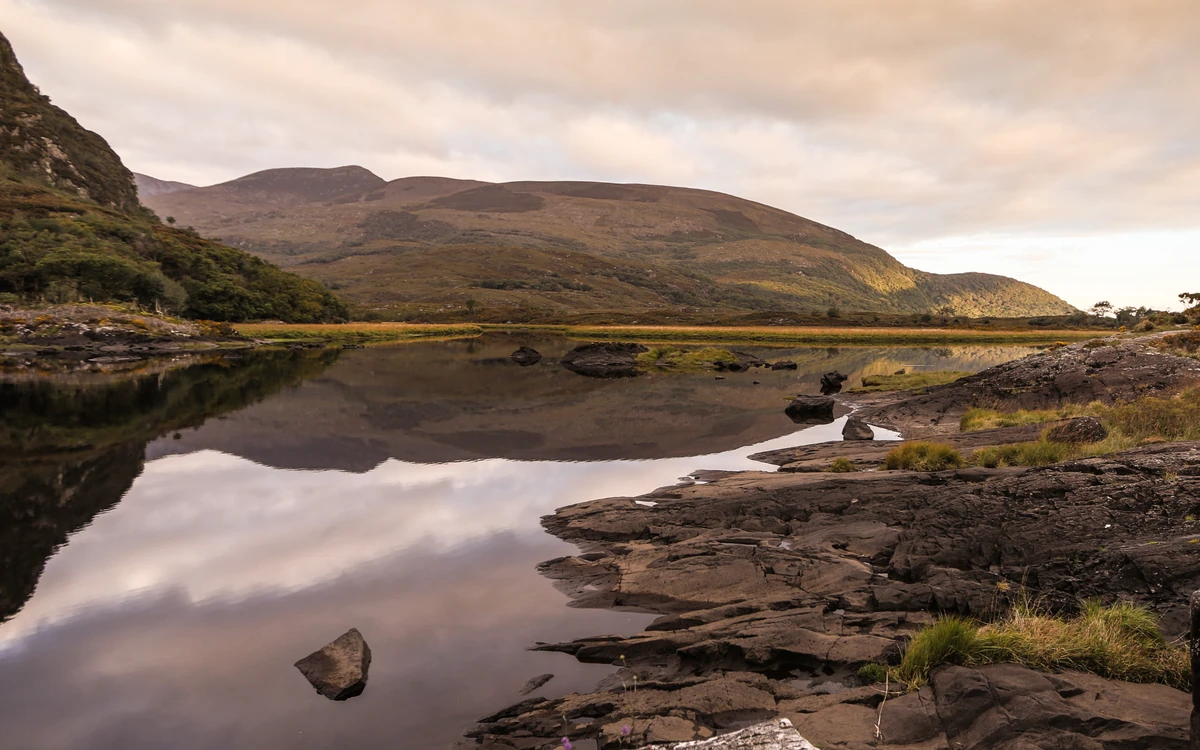
Glendalough is a monastic settlement in the Wicklow Mountains founded by St. Kevin, with a round tower, church ruins and lakeside trails. The round tower is the signature: tall, narrow, with a doorway well above ground level.
For students, it is the clearest illustration of why early Irish monasteries mattered. These were centers of learning in a period when much of Europe had lost them, and the manuscripts they produced lead directly to the next stop.
The Rock of Cashel and Medieval Ireland
The Rock of Cashel is a limestone outcrop crowned with a complex of medieval buildings, and it is the stop that makes the Middle Ages feel inevitable rather than remote.
Students see Cormac’s Chapel, a Gothic cathedral and another round tower, all on one rock above the plain. It was the seat of the kings of Munster before it passed to the church.
This is the kind of stop where standing somewhere does the teaching. Put it next to Glendalough and the shift is visible: from a monastery in a valley to a fortified religious and political center on high ground. That change is the medieval story in two buildings.
Blarney Castle: A Tower House Students Can Climb
Blarney is the stop students look forward to, and it earns its place beyond the stone.
The castle is a 15th-century tower house, and climbing it is the lesson: narrow spiral stairs, thick walls, small windows, and a view that explains exactly why it was built where it was. Defensive architecture makes sense from the inside in a way it never does from a diagram.
The Blarney Stone is at the top, and kissing it is the tradition. The grounds, gardens and rock formations take the rest of the visit.
Trinity College, the Book of Kells and Georgian Dublin
Dublin is where the manuscript tradition that began in places like Glendalough becomes something students can look at.
The Book of Kells is an illuminated gospel manuscript held at Trinity College, displayed alongside the Long Room, the barrel-vaulted library chamber lined with marble busts. Seeing the manuscript after Glendalough, rather than before, makes the connection land.
Dublin also carries the eighteenth and nineteenth centuries, the Famine and the road to independence. Our guide to Ireland field trip ideas covers the city stop by stop.
Belfast: History That Has Not Finished
Belfast is the last stop chronologically and the one that changes the trip from a tour of old buildings into something students argue about afterwards.
A guided tour covers the Troubles, the city’s shipbuilding heritage, the Peace Walls, the political murals and the Cathedral Quarter. The walls are the part students do not expect, because they are still standing.
This is recent history with living memory attached, and it needs a guide rather than a worksheet. It is also the strongest argument for ending the trip here: students leave with a sense that history is a process rather than a closed file.
The nearby Giant’s Causeway, Northern Ireland’s first UNESCO World Heritage Site, pairs with it on the same leg. Over 40,000 basalt columns formed some 60 million years ago, which widens the timescale one last time.
How the Sites Map to a Course
| The unit | Where to go |
|---|---|
| Prehistory and archaeology | Newgrange and the Brú na Bóinne landscape |
| Early medieval Europe | Glendalough, and the Book of Kells at Trinity College |
| Medieval power and religion | The Rock of Cashel and Blarney Castle |
| Modern conflict and peace studies | Belfast: the Peace Walls, murals and the Troubles |
| English literature | Dublin, for its writers and the Long Room |
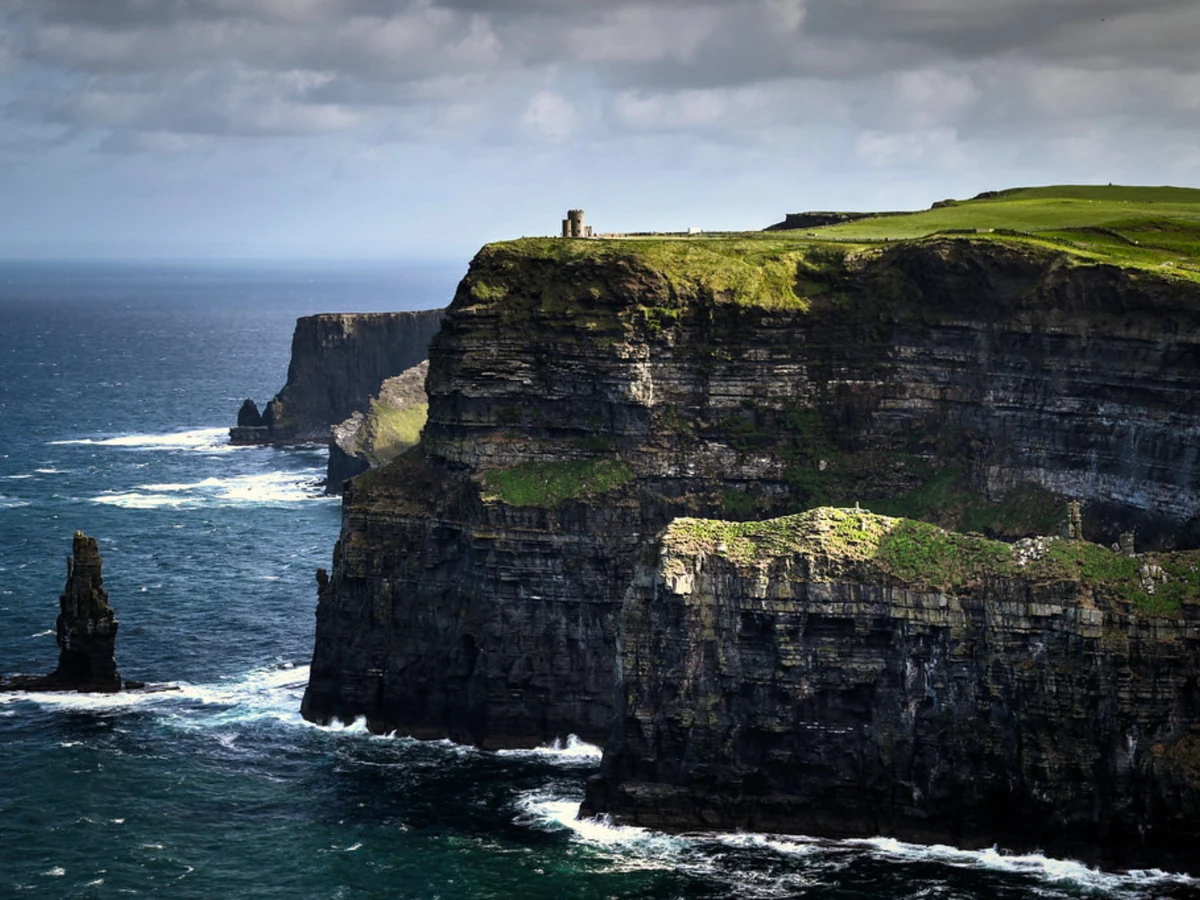
| Earth science | The Giant’s Causeway and the Burren limestone |
Landmark’s Historic Ireland itinerary runs nine days and covers all six, which is roughly what the island needs. Our Italy and France comparison applies the same subject-first test to the rest of Europe.
| Length | What it covers |
|---|---|
| Nine days | The full sweep: Newgrange, Glendalough, Cashel, Blarney, Dublin and Belfast |
| Shorter, east coast | Dublin, Newgrange, Glendalough and Belfast. Strong on ancient and modern, light on the medieval southwest |
| Shorter, southern loop | Dublin, Cashel, Blarney and Killarney. Strong on the medieval, without Belfast |
| What to protect | Newgrange and Belfast. They are the two ends of the timeline and the trip loses its shape without them |
Reading the Sites in Order
One scheduling note that is worth more than it sounds: ask for the sites in chronological order where the route allows.
Ireland is compact enough that a well-built itinerary can usually manage it, and the difference is substantial. Students who see Glendalough before the Book of Kells understand what they are looking at. Students who see them the other way round see a nice old book.
Where geography makes strict order impossible, say so to the group rather than letting them assume the sequence is the story. Your Travel Consultant can tell you which orderings the route supports.
What a Landmark Trip Costs and Includes
A package typically covers a private group tour for your group only, a custom itinerary built around your curriculum, transportation, student-appropriate hotel accommodations, admission to every scheduled site, the meals named in the itinerary, a professional Tour Director traveling with your group, and restaurant and driver gratuities.
On average, Landmark’s fully inclusive trips range from $300 to $400+ per traveler per day, or about $1,200 to $3,500+ total for an all inclusive package. Airfare is an additional variable cost.
| Item | Detail |
|---|---|
| Per traveler, per day | $300 to $400+, fully inclusive |
| All inclusive package | About $1,200 to $3,500+ in total |
| Coach travel and hotels | Included, with student-appropriate accommodations |
| Site admissions and guided tours | Included for every scheduled site, booked by Landmark |
| Meals named in the itinerary | Included, with restaurant and driver gratuities covered |
| Tour Director | Included, traveling with your group start to finish |
| Airfare | Quoted separately. A variable cost depending on origin and dates |
| Travel protection | Optional coverage, bought separately rather than included |
| Passports | Not included. Families arrange their own, and everyone flying needs one |
See what a school trip package includes.
Who Is Landmark Educational Tours?
Landmark Educational Tours is a 100% employee-owned domestic and international educational travel company headquartered at 1 Central Street, Suite 205, Middleton, Massachusetts, reachable at (888) 886-2781.
Landmark plans and operates fully managed, custom class trips for public districts alongside private, religious, prep and independent schools. Every trip is a private group tour, and each group travels with a Landmark Tour Director who is an employee of the company.
Landmark is a member of the Student & Youth Travel Association (#13443), along with ABA Member #84360, IATA Code 22576046, BBB Business ID 544197, California Seller of Travel 2168995-50, and ETOA membership. More on the about Landmark page.
Planning an Ireland Trip
Four things make a first conversation productive: a rough headcount, the year group, the period your course covers, and whether your travelers already hold passports.
A Landmark Travel Consultant will build the route around the history you are teaching, free, with nothing held until you say so.
See our Ireland school trips, and the best international school trip destinations if you are still choosing.