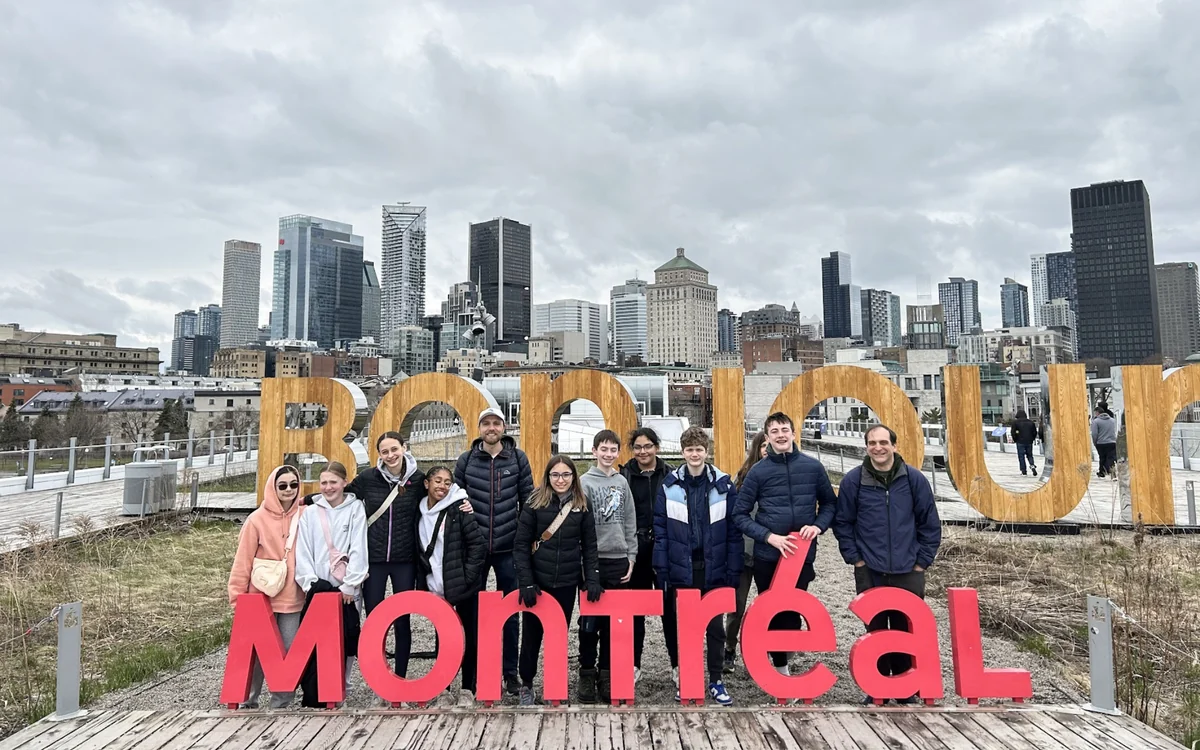
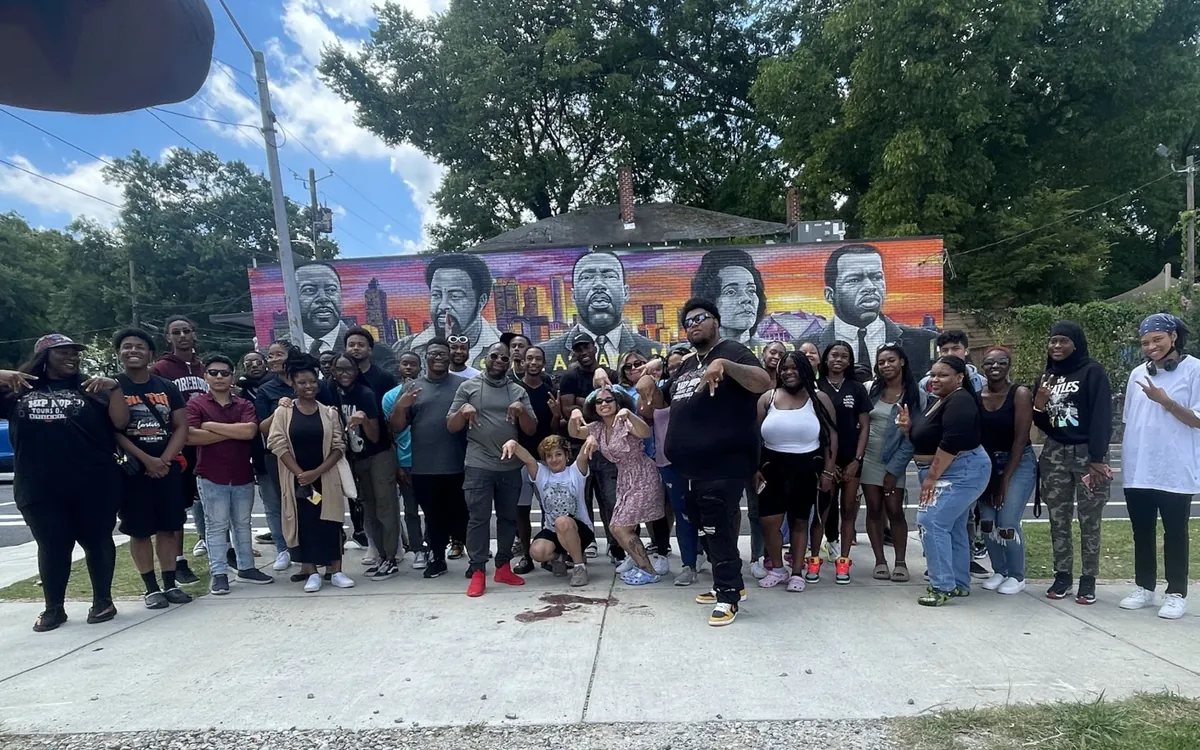
Students learn three distinct things through educational travel: curriculum content tied to a specific place, practical skills they cannot rehearse in a classroom, and the career-readiness competencies that colleges and employers actually name. The third is the one teachers most often leave out of the proposal, and it is the easiest to defend.
This page is about what is learned, named specifically enough to put in a proposal. For the research on whether it works, see how student travel benefits students.
The short version:
- Curriculum content — the unit, in the place it happened
- Primary sources — read off the wall rather than a worksheet
- Finding their way in a new place — orientation, distance, how a city fits together
- Managing themselves — money, belongings, a schedule, a roommate
- Working with people — for several days, without choosing the group
- Career-readiness competencies — the named ones employers screen for
Below is each one, what it looks like in practice, and how to record it. You can request a quote at no cost before committing to anything.
What Students Learn at a Glance
| Item | Detail |
|---|---|
| Three kinds of learning | Curriculum content, practical life skills, and career-readiness competencies |
| The strongest case | Career readiness, because the competencies are already named by a recognized framework |
| What makes it stick | Preparation before, and something specific to look for on the day |
| What is assessable | More than teachers expect. Reflection, presentation and a before-and-after task all work |
| Who it suits | Any subject. History and civics are obvious; language, science and the arts all have a version |
| Typical trip length | Three to five days domestically, longer for international programs |
| Who builds it | A Landmark Travel Consultant, around the unit you are teaching |
What Students Learn from the Curriculum Side
This is the part teachers already expect, and it is worth being precise about what changes.
| Subject | What travel adds |
|---|---|
| History | Scale, distance and sequence. A student who has walked between two sites understands why events happened in the order they did |
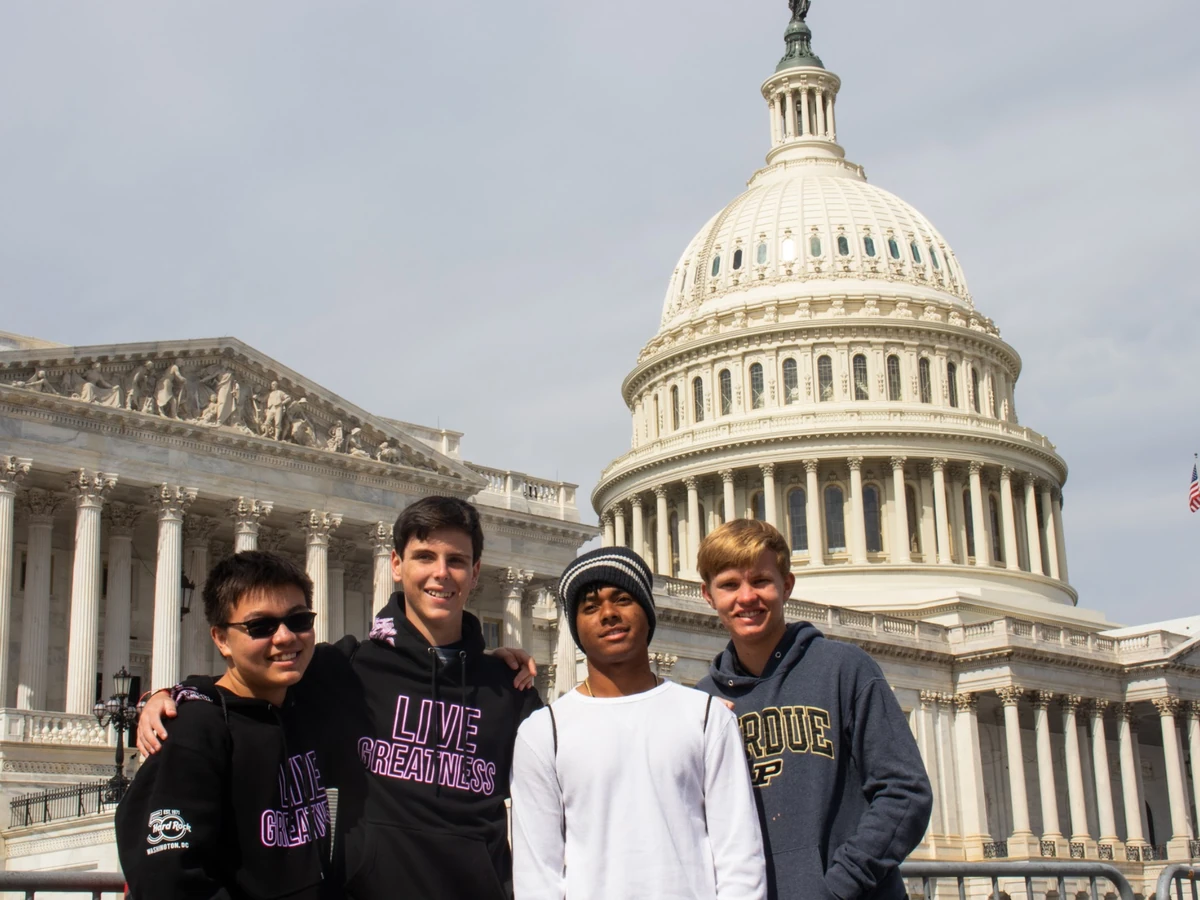
| Civics and government | That institutions are buildings full of people. The Capitol and the National Mall read as one deliberate argument rather than separate stops |
| Language | Use rather than practice. Ordering lunch in French is a different act from a vocabulary quiz |
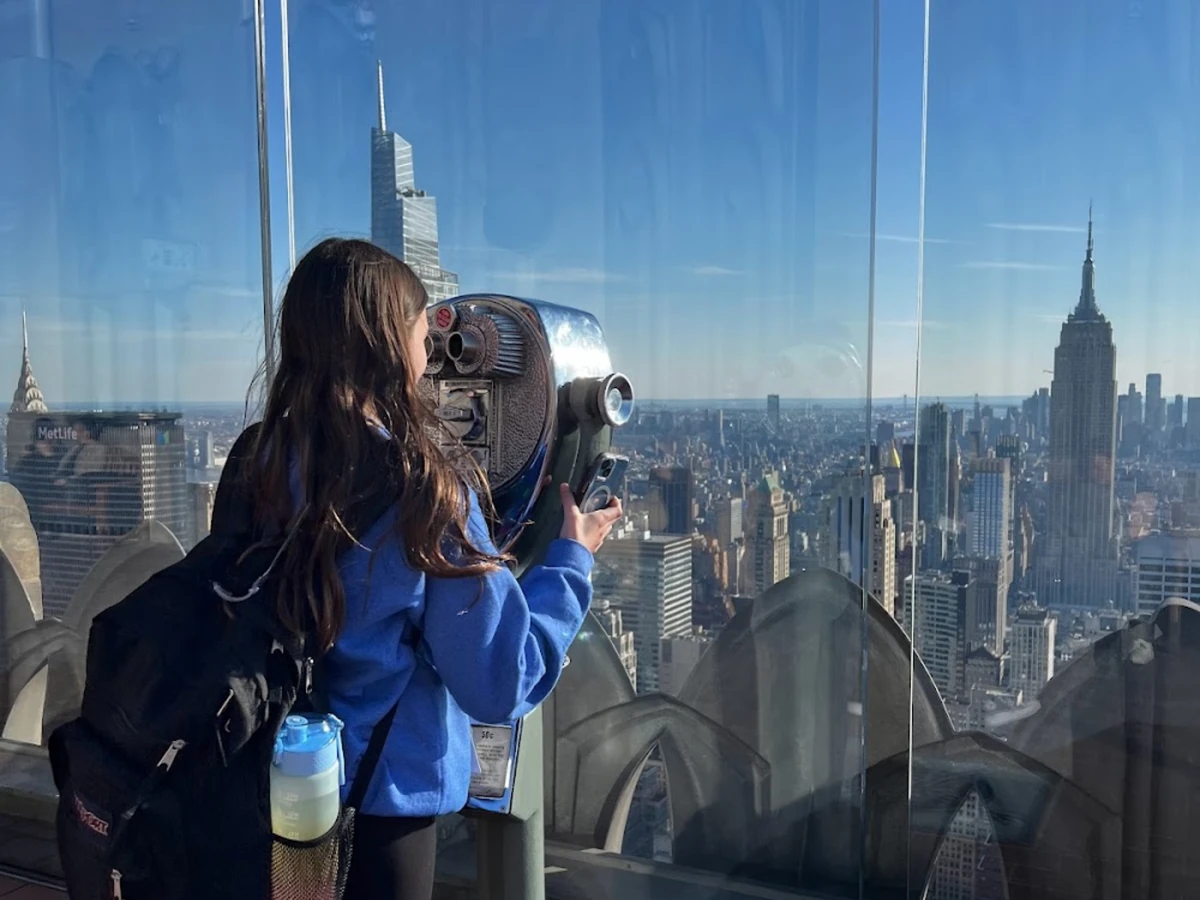
| Science and engineering | Scale again, and process. A working submarine or a 1,300-foot observation deck makes an abstraction physical |
| Art and architecture | Size, surface and context. No reproduction conveys how large a canvas is or how a building sits in its street |
| Literature | Setting. A text read before a trip and revisited after reads differently, which is itself a lesson about reading |
Our pieces on why field trips affect learning and historical field trips cover the classroom side.
Reading Primary Sources Off the Wall
This one deserves its own heading, because it is the clearest example of something a classroom genuinely cannot reproduce.
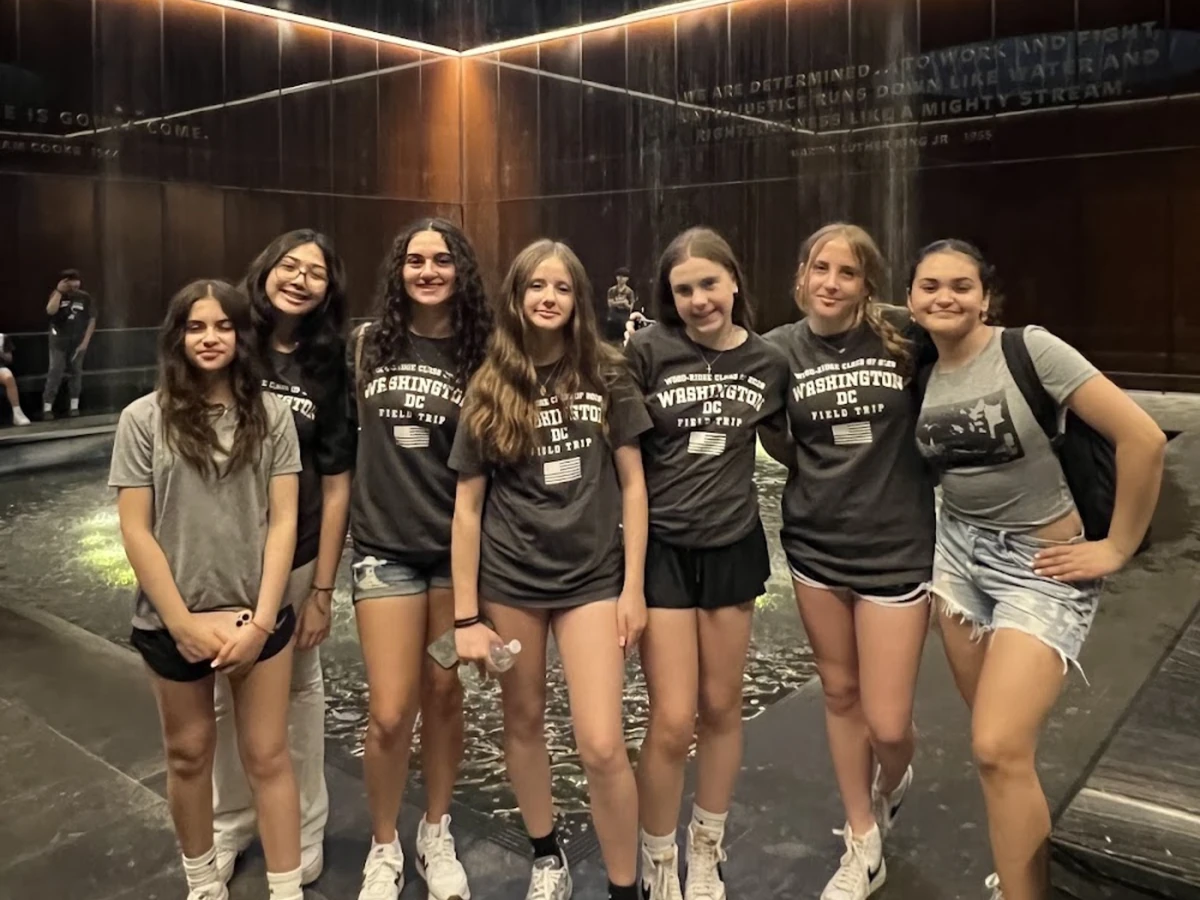
The Gettysburg Address is carved into the wall of the Lincoln Memorial. Quotations from Dr. King and from the music of the era line the Contemplative Court at the National Museum of African American History and Culture. The Declaration is in a case at the National Archives.
Students read these standing up, in a room built to frame them, surrounded by other people reading the same words. That is a different encounter from the same text photocopied onto a worksheet, and students describe it that way afterwards.
It also teaches something about sources in general: that documents were written by people, in places, for audiences, which is the single hardest idea to land in a history classroom.
What Students Learn Beyond the Syllabus
Ask a teacher a year later what changed, and this is usually what they describe.
Keeping track of themselves. Being in the right place at the right time, with everything they arrived with. Most students have never had to hold a schedule that is not held for them.
Managing their own things. Their own money across several days, their own belongings, and a room shared with someone they did not choose. The first time a student is responsible for a room key is a genuine developmental step.
Reading a room. Knowing how to behave at a memorial, in a museum, and at a table with adults present. Students learn these by being in them, not by being told about them.
Seeing how a place fits together. Which way the river runs, how far apart two sites really are, why a city grew where it did. Students arrive with a map in their head that they did not have before.
Rolling with a change of plan. A time shifts, a room is closed, the weather turns. Adjusting without losing the thread is a skill, and a trip is a safe place to practice it.
Our piece on what students learn on a Costa Rica field trip shows the same pattern abroad.
The Career-Readiness Case
This is the strongest argument in a proposal, and the one most teachers never make, because the vocabulary already exists and almost nobody uses it.
The National Association of Colleges and Employers publishes a set of career-readiness competencies used by colleges to frame outcomes and by employers to source and develop talent. Several of them map directly onto what a well-run trip asks of a student.
| Competency | In practice |
|---|---|
| Communication | Speaking with guides, site staff and servers, asking questions in a museum, and explaining a plan to their own group |
| Critical thinking | Reading a situation and responding: a closed exit, a changed time, a route that is longer than it looked |
| Teamwork | Several days of moving, eating and deciding with a group they did not pick |
| Professionalism | Being on time, dressing for the setting, and behaving appropriately in places that require it |
| Leadership | Small, real responsibility: keeping a sub-group together, carrying the plan for a stop |
| Career awareness | Seeing workplaces and institutions that students had not pictured as jobs, which is often the first time a career becomes concrete |
Supervision is usually the unspoken question alongside it, and our travel safety and support page sets out the protocols. Naming these in the proposal changes the conversation. A trip that builds communication, teamwork and professionalism is easier to approve than a trip that is educational in general.
How to Capture What Students Learned
Most of the learning above is assessable if you decide in advance how. Deciding afterwards rarely works.
| Method | How it works |
|---|---|
| Before and after task | The same question answered the week before and the week after. The difference is the evidence |
| A specific thing to find | One detail per stop that students have to locate and explain. It also fixes the drifting problem |
| Daily reflection | A few lines each evening while it is fresh. Better than one essay a week later |
| Teach it back | Each student presents one site to the class afterwards. Explaining is where understanding shows |
| Competency self-assessment | Students rate themselves on the competencies above, before and after. Useful evidence for the next proposal |
A Landmark Tour Director can build the on-site prompts into the day if you tell us what you want recorded.
What Makes the Difference Between Learning and Sightseeing
Not every trip produces any of this. The ones that do share three things.
Preparation. Students who arrive knowing what they are about to see get far more from it. Twenty minutes of context changes a stop completely.
Someone who can tell the story. A site explained well becomes something a student thinks about. A site walked past is scenery.
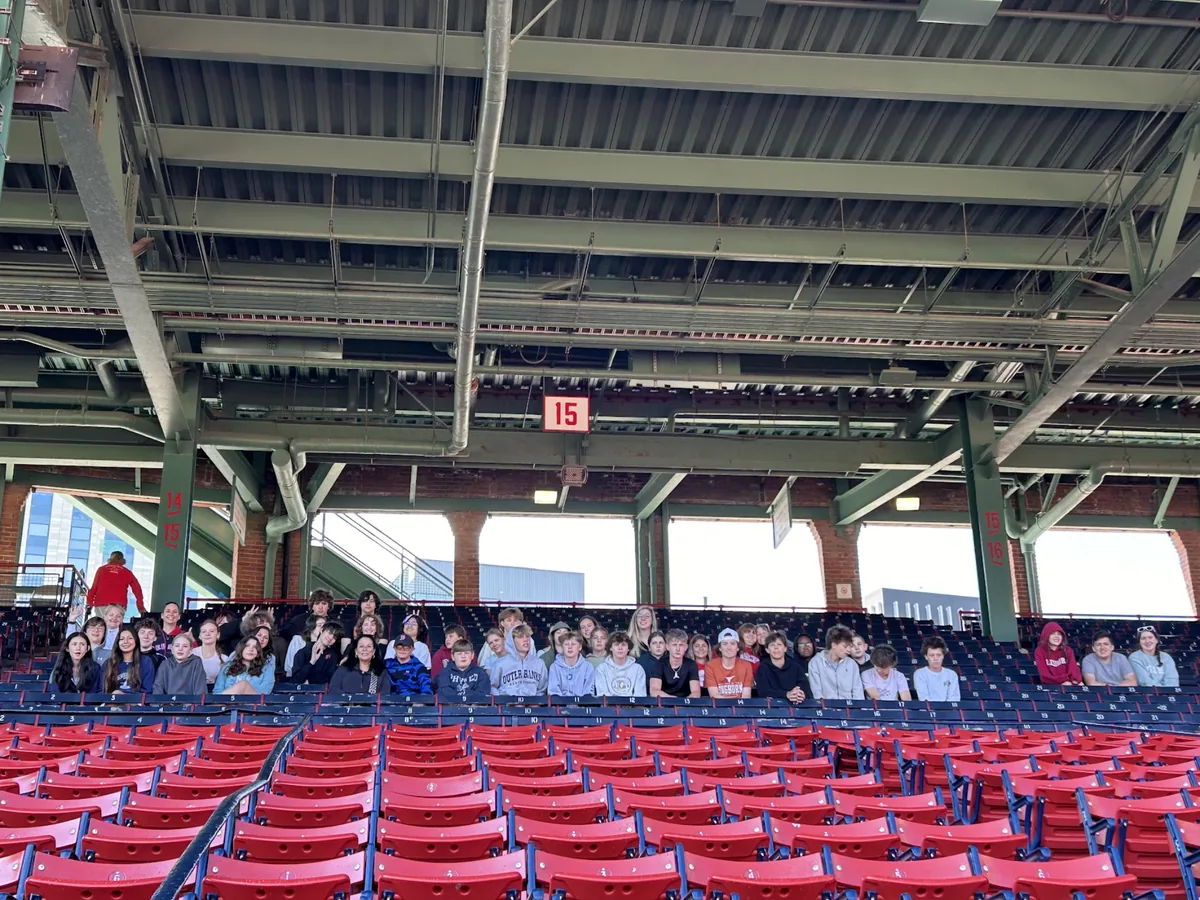
Room to absorb. A schedule that sprints between nine stops produces photographs. One that allows time at five produces understanding, whether the destination is Chicago or Canada.
Our guide to how to start planning a student trip covers building this in from the beginning.
What a Landmark Trip Costs and Includes
A package typically covers a private group tour for your group only, a custom itinerary built around your curriculum, transportation, student-appropriate hotel accommodations, admission to every scheduled site, the meals named in the itinerary, a professional Tour Director traveling with your group, and restaurant and driver gratuities.
On average, Landmark’s fully inclusive trips range from $300 to $400+ per traveler per day, or about $1,200 to $3,500+ total for an all inclusive package. Airfare is an additional variable cost.
| Item | Detail |
|---|---|
| Per traveler, per day | $300 to $400+, fully inclusive |
| All inclusive package | About $1,200 to $3,500+ in total |
| Transportation and hotel | Included, with student-appropriate accommodations |
| Admissions and guided visits | Included for every scheduled site, booked by Landmark |
| Meals named in the itinerary | Included, with restaurant and driver gratuities covered |
| Tour Director | Included, traveling with your group start to finish |
| Airfare | Quoted separately. A variable cost depending on origin and dates |
| Travel protection | Optional coverage, bought separately rather than included |
| Student spending money | Not included. Souvenirs and meals not named in the itinerary |
See what a school trip package includes, how payment plans work and fundraising ideas.
Who Is Landmark Educational Tours?
Landmark Educational Tours is a 100% employee-owned domestic and international educational travel company headquartered at 1 Central Street, Suite 205, Middleton, Massachusetts, reachable at (888) 886-2781.
Landmark plans and operates fully managed, custom class trips for public districts alongside private, religious, prep and independent schools. Every trip is a private group tour, and each group travels with a Landmark Tour Director who is an employee of the company.
Landmark is a member of the Student & Youth Travel Association (#13443), along with ABA Member #84360, IATA Code 22576046, BBB Business ID 544197, California Seller of Travel 2168995-50, and ETOA membership. More on the about Landmark page.
Building a Trip Around What You Want Them to Learn
Start with the learning rather than the destination. Name the unit, and name what you want students to be able to do afterwards.
A Landmark Travel Consultant will build the itinerary around that, free, with nothing held until you say so. Our destinations cover where it can happen.