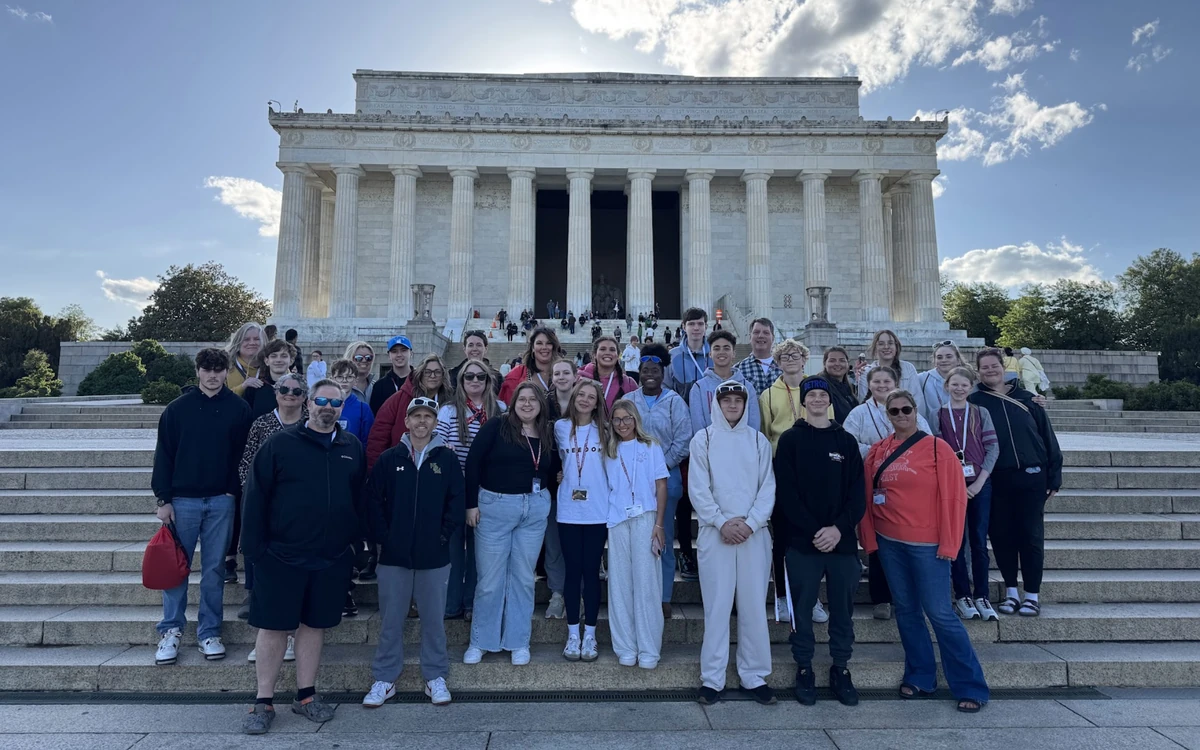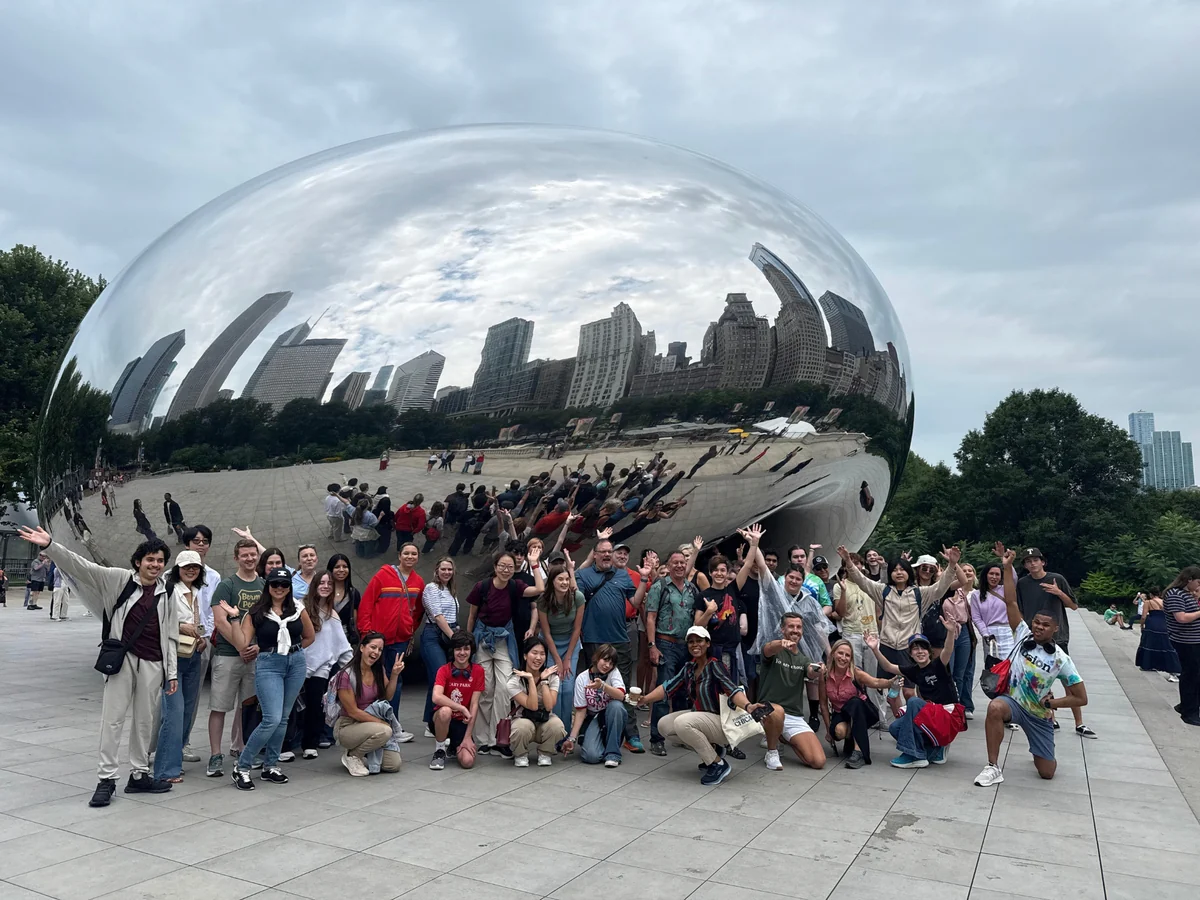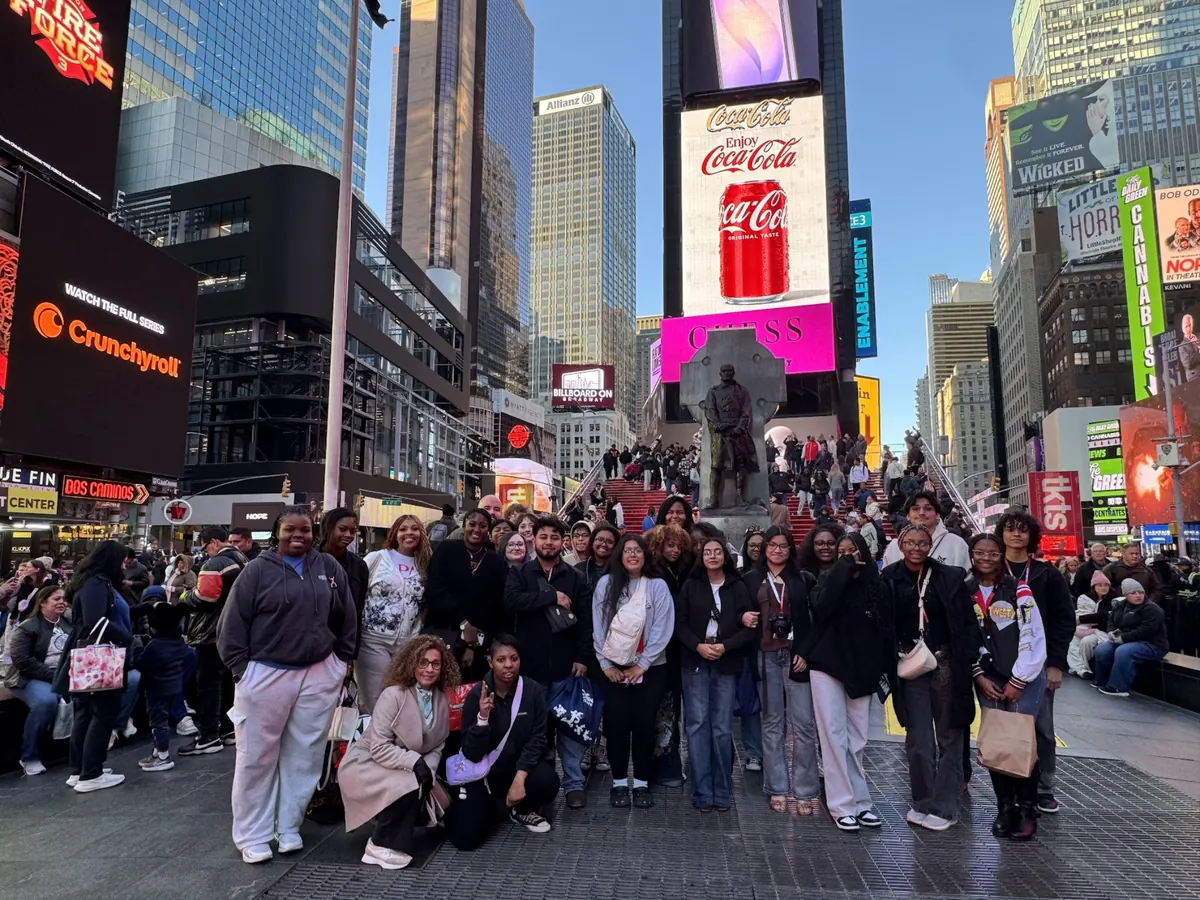
A school trip package bundles an entire student trip into one per-student price: transportation, hotel accommodations, meals, admission to every site and attraction on the itinerary, and a tour director who travels with the group. On a Landmark trip it also covers travel protection, a private group tour built for your students alone, a custom itinerary, and gear for every student — all inside the one price.
What matters is how much of that list sits genuinely inside the price. Below is what a complete school trip package covers, what Landmark includes specifically, what teachers and chaperones receive, what sits outside the package, and what to expect when you plan a trip with us.
What a school trip package includes
These are the components a complete package should cover. Anything missing from a package list is not free — it simply has not been priced yet.
- Transportation — getting the group there and moving it around all week, in whatever combination the itinerary needs. More detail below.
- Hotel accommodations — student-appropriate hotels for every night of the trip, with the room occupancy stated.
- Meals — the meals set out in the itinerary, named by meal and by day so families know before departure which ones are covered.
- Sites and attractions — admission to every stop on the itinerary. If it is on the schedule, entry should be in the price.
- A tour director — on a Landmark trip, a professional Tour Director who travels with your group for the whole trip and is assigned to your group alone.
- Travel protection — included on a Landmark trip rather than sold as an upgrade at checkout.
- Student gear — every Landmark student receives a string bag, a reusable water bottle and a safety bracelet, included in the trip price.
- A private group tour — your students travel as your group. Landmark never merges another school into your itinerary.
- A custom itinerary — built around your curriculum, dates and budget rather than picked off a shelf.
The same list applies whether you call it a school trip package, a field trip package or a student tour package — the terms are used interchangeably across the industry, and so is the expectation of what a package covers.

What transportation covers
Transportation is usually the largest single component of a package, and the one where what is genuinely included matters most. On a Landmark trip it covers however the group needs to move, which for most itineraries means more than one mode:
- Motorcoach — for the journey itself on drive-market trips, and for daily touring once you arrive.
- Airfare — where flying makes more sense than driving, or where the destination requires it.
- Amtrak and rail — practical on some corridors, and a genuine part of the experience for students who have never travelled by train.
- Metro, subway and light rail — in cities where the fastest route between two stops runs underground rather than on the street.
- Transit bus — where local service beats parking a motorcoach.
The practical test for any quote is whether it covers every movement on every day, not just the long journey at each end. A package that gets your group to the city but leaves daily touring unpriced is not a complete package.
What a tour director actually does
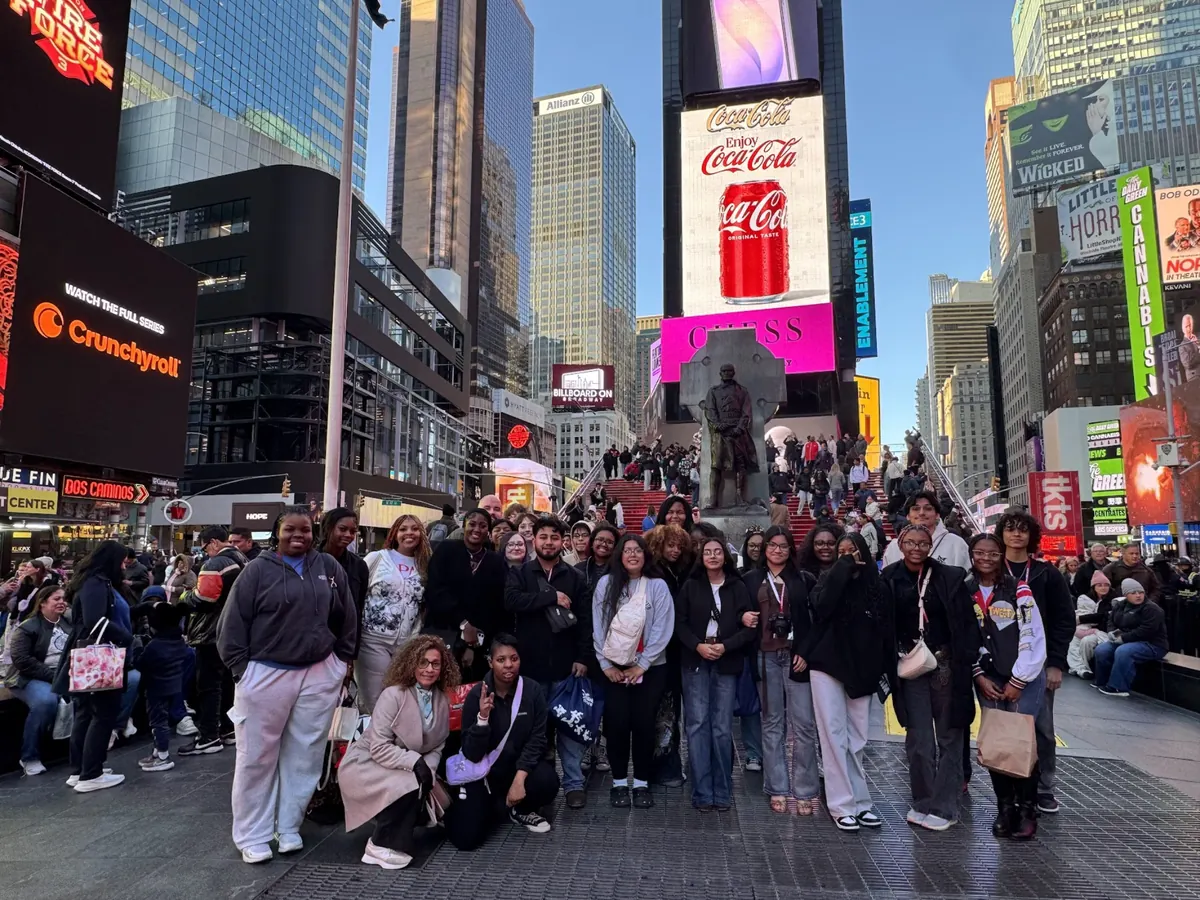
The tour director is the inclusion teachers tend to underestimate before their first trip and name first afterwards. A Landmark Tour Director travels with your group for the entire trip and is assigned to no one else. In practice that means:
- Running the logistics you would otherwise run — confirming reservations, keeping the schedule moving, and handling the hundred small decisions a day that would otherwise land on you.
- Managing entry at every stop — timed passes, group check-ins and the paperwork attractions ask for, so your group walks in rather than queues up.
- Solving problems in real time — weather, traffic, a closure, a student who feels unwell. Plans change on every trip; having someone whose job is the change is the difference.
- Letting you be a teacher — the real value. You spend the week with your students rather than on your phone with a vendor.
A tour director is not a chaperone, and should not count toward your supervision ratio — that authority stays with school staff. We cover the distinction in how many chaperones you need for a school trip.

What students receive
Every student on a Landmark trip gets a few things of their own, included in the trip price:
- A string bag — for the day: water, a layer, a packed lunch, whatever they pick up along the way.
- A reusable water bottle — refillable all week, which matters more than it sounds on a walking itinerary.
- A safety bracelet — so key trip information stays on each student rather than in a pocket.
Small things, but they are the ones students actually use, and they spare chaperones a running tally of who has water and who has lost the itinerary.
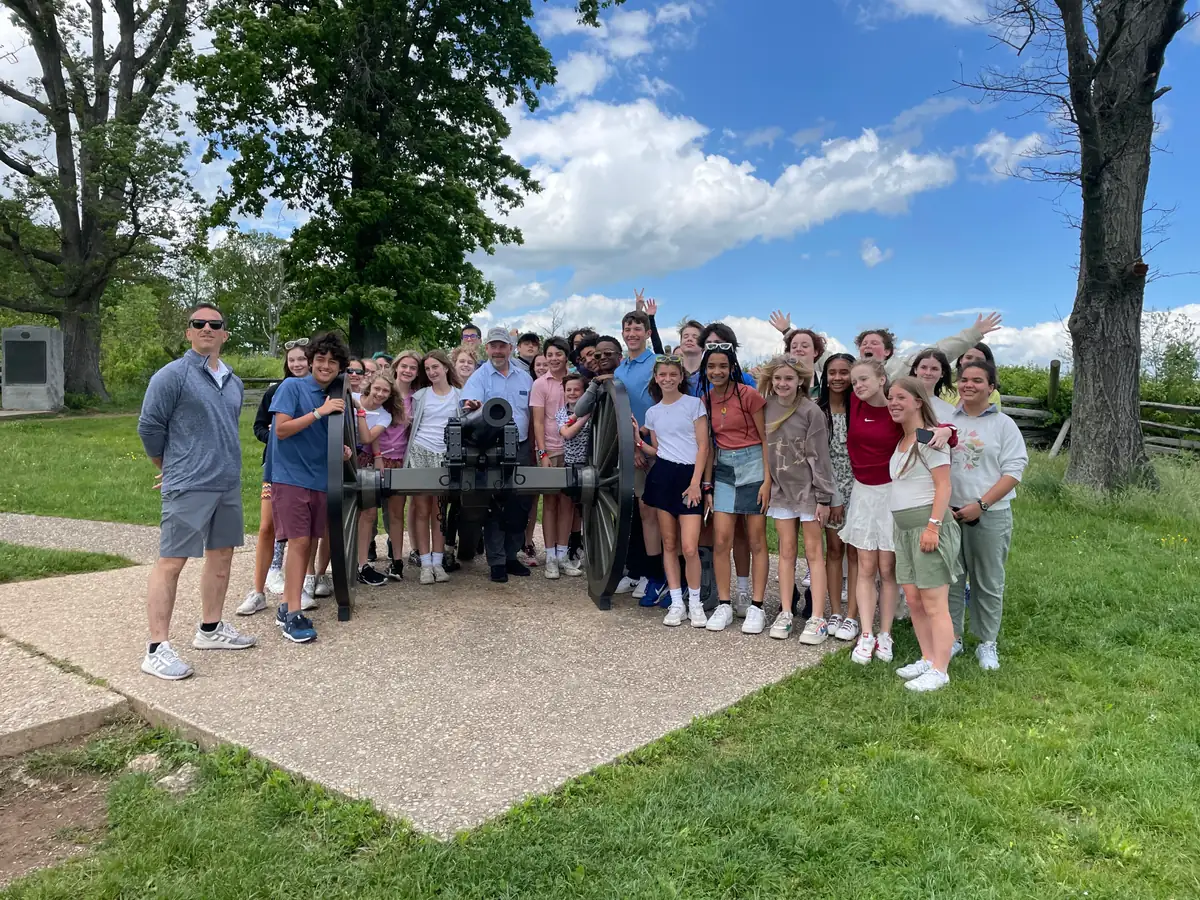
What’s included for teachers and chaperones
Adults travelling with the group are covered by the same package as the students. A chaperone’s place includes:
- The same transportation — every leg of the journey and every day of touring.
- Hotel accommodation — adults are roomed separately from students, at the occupancy set out in your quote.
- The same meals named in the itinerary.
- Admission to every site on the schedule.
- Complimentary chaperone places — the number available at your group size is confirmed by your Travel Consultant when your itinerary is priced, so you know before you recruit adults.
Chaperone places are a real budget line as well as a supervision decision, because every adult occupies a seat on the coach and a bed in the hotel block. How many you need depends on the age of your students and the sites on your itinerary — we cover that in how many chaperones you need for a school trip.
Teacher tip: settle your chaperone count before you open registration. It affects the per-student price, the hotel block and the rooming plan, and it is far easier to set at the start than to adjust once families have begun paying.
What sits outside the package
An honest inclusion list needs an honest exclusion list. Here is ours — on a Landmark trip, plan separately for:
- Any meals you choose to add beyond the ones set out in your itinerary.
- Student spending money — souvenirs, snacks and free-time purchases.
- Anything added after your itinerary is confirmed — a show, an extra attraction, an upgrade. All available, and priced when you ask for it.
- Passports and travel documents for international programs.
- Substitute teacher coverage for staff who travel. A district budget line rather than a trip line, but a real cost of travel and far easier to get approved early.
International school trip packages
International packages cover the same components, with a few additions that are worth confirming line by line before you commit:
- Passports and visas — the documents themselves sit outside the package, and they set your real planning deadline. Start them well before deposits are due.
- Airport transfers on both ends — easy to assume and worth seeing in writing.
- Local guiding — whether guides at each destination are included alongside the tour director travelling with you.
- Tighter supervision ratios — international travel commonly calls for more adults than a domestic trip of the same length, which affects how many chaperone spots you need.
- A firmer payment and cancellation schedule — international air carries earlier deadlines than domestic travel.
What to expect from a Landmark school trip package
These are the commitments behind every Landmark quote, and the detail your Travel Consultant will confirm in writing before you sign anything:
- A private group tour. Your students travel as your group. We never merge another school into your itinerary.
- Room occupancy stated up front, so the price you see is the price built on the rooming plan you actually get.
- Meals named by meal and by day, not summarised as “most meals”.
- Admission included at every stop on your itinerary.
- A Tour Director who travels with your group for the whole trip — not a phone number to call.
- Taxes and gratuities inside the price, so families are never asked for cash on the road.
- Travel protection included rather than sold as an upgrade at checkout.
- Complimentary chaperone places confirmed at your group size.
- Accreditation you can check. Landmark is a member of the Student & Youth Travel Association and the National Tour Association, both of which carry standards for safety and financial practice. Ours are listed on our accreditations and certifications page.
- A written list of exclusions, so nothing on your trip is a surprise.
Teacher tip: get the inclusion and exclusion lists together, in writing, before you present anything to families. It is the fastest way to turn a quote into a number you can stand behind at a parent meeting.
Turning a package into a real quote
Inclusion lists are only useful next to an itinerary. The same package covers a very different week depending on where you go, how long you stay and what your curriculum needs, and every one of those is adjustable before you present anything to families. For how the number is arrived at in the first place, see how much does a school trip cost, and for how groups spread it across a school year, 8 ways schools can raise money for field trips.
Landmark builds every trip privately around a single group, with a dedicated Travel Consultant, a Tour Director on the ground, 24/7 support while you travel, and an online portal where families register and pay directly. Browse our destinations, see the themed programs we run, read our travel safety and support commitments, or see what other teachers have said on our testimonials page.
Wondering how much of the trip you can change? Student tour companies that customize itineraries covers what is adjustable and when. Travel protection is optional and bought separately — student travel protection plans explains what it covers and what it does not. Pricing a specific length? See how much a 3-day school trip costs or how much a 4-day school trip costs. New to organizing a trip? Start with how far in advance you should book and 7 mistakes to avoid when planning a trip for students.