A school trip to Washington, DC costs less than most families expect, because the attractions are mostly free. The Smithsonians, the National Mall monuments, the U.S. Capitol, Arlington National Cemetery, and the National Archives all cost nothing to enter. Your budget is driven by travel distance, number of nights, lodging, and meals — not by admission tickets. If you have settled on a length, how much a 3-day school trip costs works the same question through by trip length rather than destination.
That makes DC unusually predictable to plan for. Below is what actually moves the number, what is genuinely free and what still needs booking, the costs that never appear on a brochure, and how to compare two quotes that look nothing alike.
What actually drives the cost
Two schools can run the same itinerary in the same week and pay very different amounts per student. The gap almost never comes from the sights. It comes from these:
- Distance from Washington — usually the largest single line on a quote. A group within driving range travels by motorcoach for a fraction of what a flying group pays, and the gap widens because a flying group still needs ground transportation once it lands.
- Trip length — every additional night adds a hotel room, another day of meals, and another day of driver and tour director time. It moves the price in clean, predictable steps, which makes it the easiest thing to adjust if the first number comes back too high.
- Group size — a motorcoach costs about the same whether thirty students ride it or fifty. So do a tour director's days. Those fixed costs divide across the group, which is why recruiting ten more students usually lowers the price for everyone already signed up.
- Room occupancy — the biggest lever most groups underuse. Moving from two students per room to four cuts the lodging share roughly in half. Quads are standard on student trips, and a quote built on doubles will look far more expensive than one built on quads even when nothing else differs.
- Time of year — spring is peak. From March through June, school groups, cherry blossom season, and convention traffic compete for the same hotel rooms, motorcoaches, and bus parking. Late fall and winter cost less across all three.
- Hotel location — downtown puts you minutes from the Mall and costs more per night. A suburban hotel costs less and spends the savings back in drive time. Neither is automatically better value.
- What is included — a quote covering every meal, every entry, all taxes, and all gratuities will always look higher than one covering breakfast and dinner. The lower number is not a lower price. It is a shorter list.
- How many adults travel — chaperones take seats on the bus and beds in the hotel block. A generous ratio is good supervision and a real cost, and how many chaperone spots come complimentary varies widely between operators.
These forces apply to any destination — we cover them generally in how much does a school trip cost. What follows is what makes Washington different.
Why Washington costs less than most families expect
Washington is among the least expensive major destinations in American educational travel, and the reason is structural rather than seasonal. The federal government and the Smithsonian Institution own most of what your students came to see, and they do not charge admission. On a well-built itinerary a group can spend most of a week in DC and pay entry at only one or two stops. Planning a New York trip instead? See what shapes the cost of a New York City school trip.
- Every Smithsonian museum — all of them, permanently, including the National Museum of Natural History, the National Air and Space Museum, American History, the National Museum of African American History and Culture, and the National Zoo.
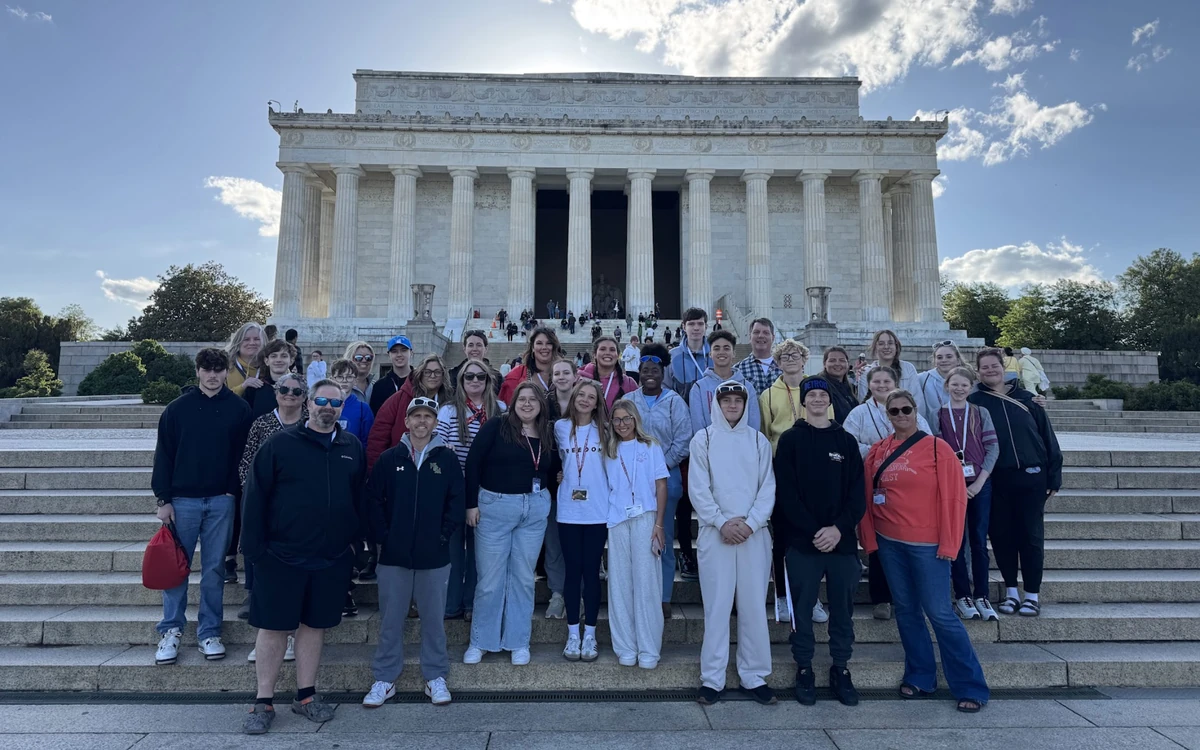
- The National Mall memorials — Lincoln, Jefferson, FDR, Martin Luther King Jr., World War II, Vietnam, and Korean War. The National Park Service charges no entrance fee, no ticket is needed, and they stay open and lit around the clock.
- The U.S. Capitol — guided tours are free, booked through the Capitol Visitor Center or your congressional offices.
- The Library of Congress — free to enter, though every visitor needs a timed pass.
- The National Archives — the Declaration, the Constitution, and the Bill of Rights, at no charge.
- The Bureau of Engraving and Printing — watch currency being printed, free.
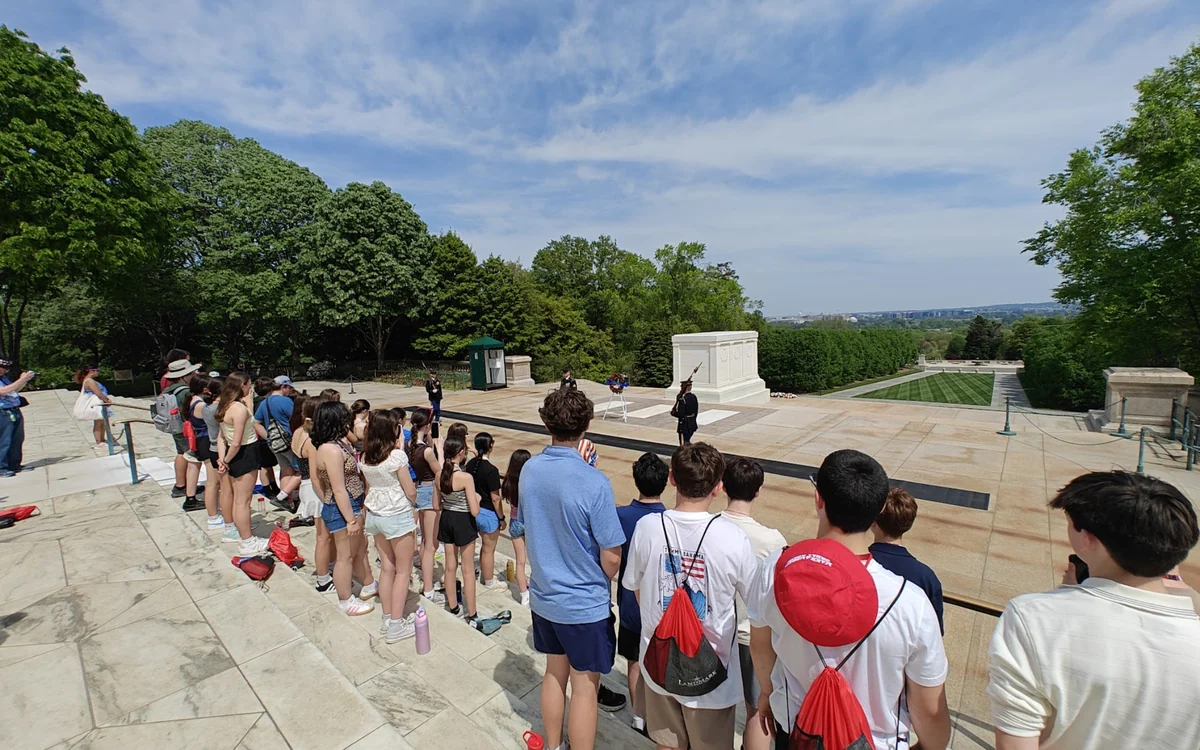
- Arlington National Cemetery — free to enter and walk, including the Changing of the Guard. Only the tram carries a charge.
- The Supreme Court, National Gallery of Art, and US Holocaust Memorial Museum — all free to enter.
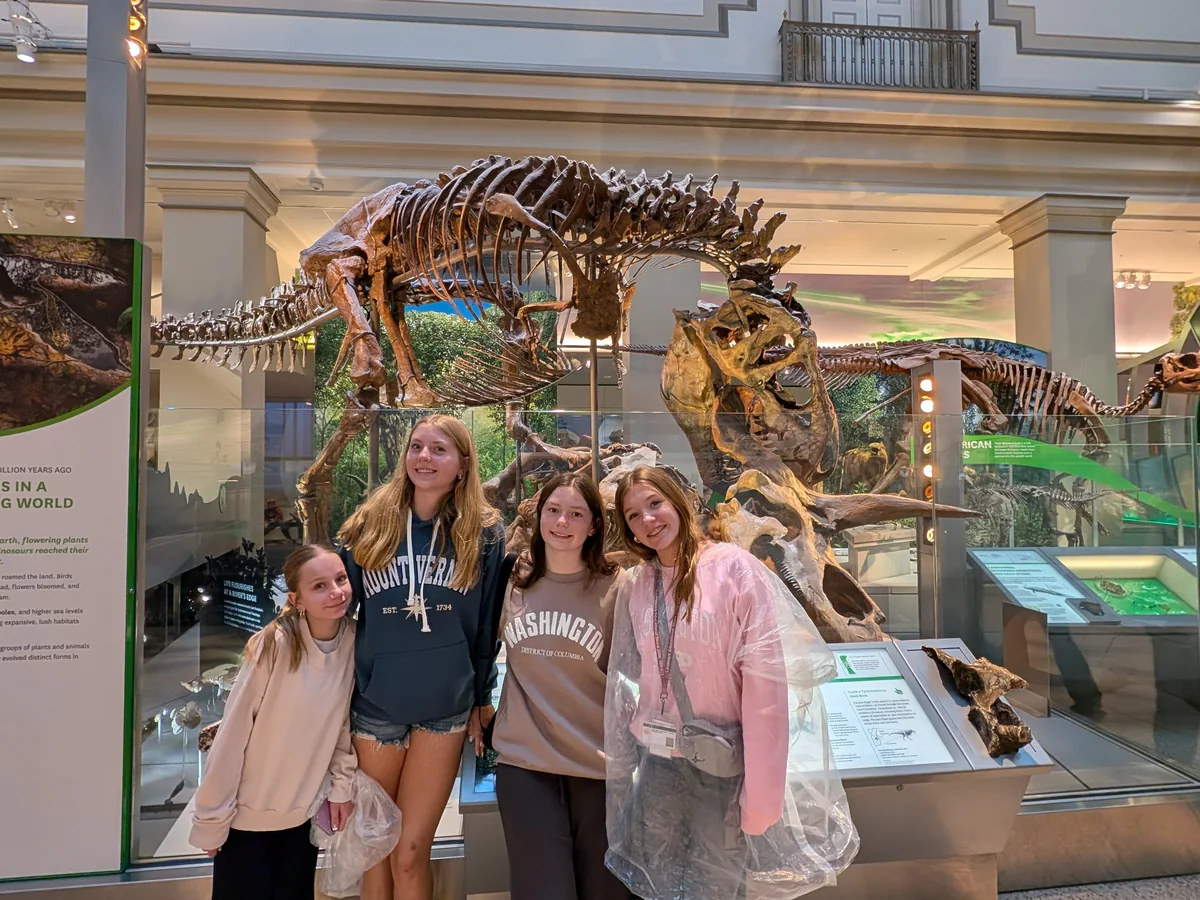
The sites that do charge are the exception: George Washington's Mount Vernon, Ford's Theatre, the International Spy Museum, the Arlington tram, and Potomac River cruises. Mount Vernon is worth a specific note, because its student group terms are unusually generous: chaperones pay the student rate rather than the adult rate at one adult per ten students, and your licensed tour operator and motorcoach driver are admitted at no charge.
Teacher tip: build the itinerary around the free sites first and add paid stops last. Most groups discover they only need one or two, and the trip does not feel thinner for it.
Free does not mean unplanned
Here is the part most cost guides leave out. Washington's free sites do not ration access by price. They ration it by capacity — and the limits are written for individual visitors, not for a bus carrying fifty eighth graders.
- The Capitol caps school groups at fifty people per tour. A group of sixty is split across two slots, which shapes the rest of that morning.
- The Library of Congress requires a timed pass for every visitor, regardless of age. Groups of twenty-one or more book through a dedicated group request, up to sixty days ahead — and grade school groups must bring one chaperone for every eight students. That is a supervision rule with a budget attached.
- Bureau of Engraving tours run in small batches. A single tour holds forty people, so a class of fifty-five does not fit in one, and timed tickets are required through spring and summer.
- The busiest Smithsonians use timed passes — Air and Space, the National Zoo, and the National Museum of African American History and Culture among them. Free, but not walk-up.
- The Holocaust Memorial Museum requires timed passes March through August — precisely the window most school groups travel in.
- A White House tour must be requested through a congressional office, with weeks of lead time and no guarantee.
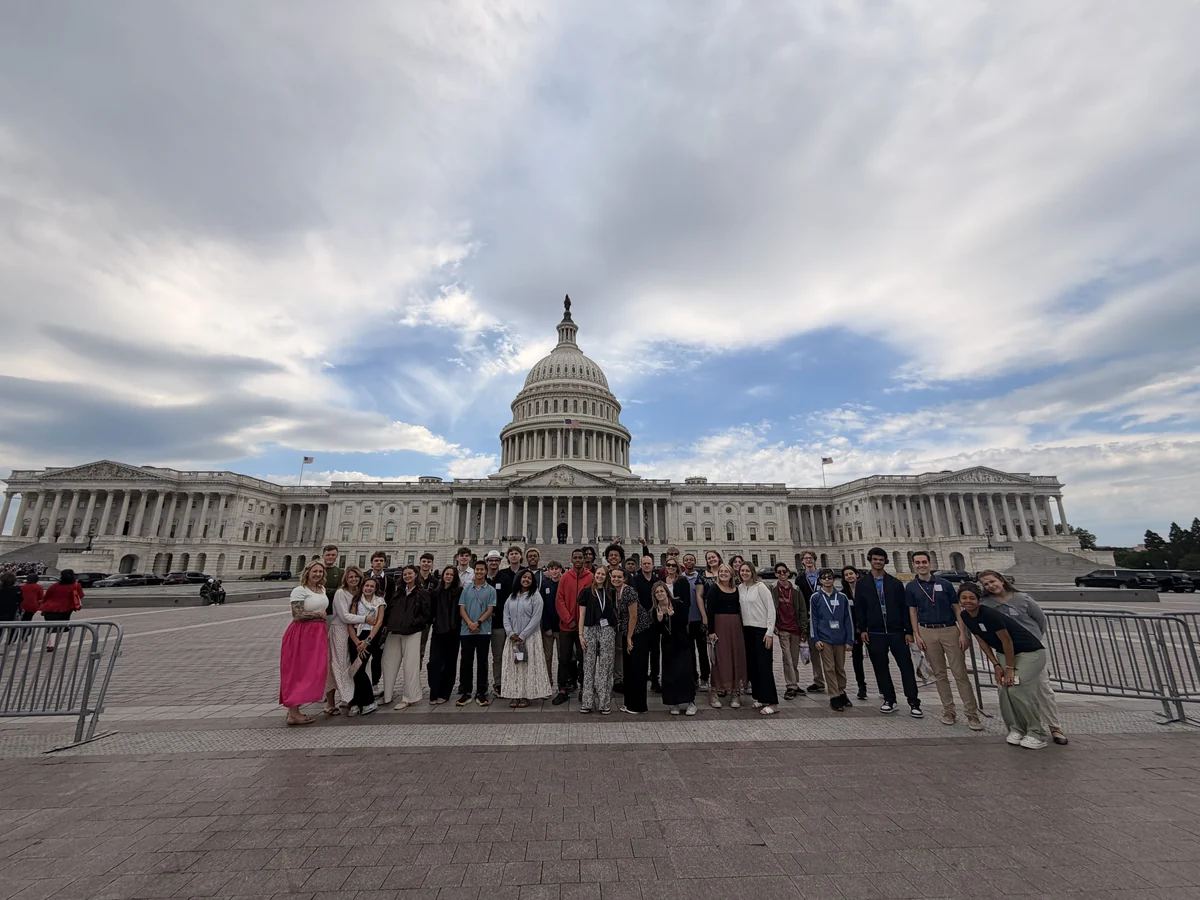
None of this costs money directly. All of it costs money indirectly, because a group that arrives without passes has spent its single most expensive asset — a chartered day in Washington — standing outside a line it cannot join. It is the strongest practical argument for working with an operator who books these as a matter of routine, and we make the broader case in ten reasons to use a tour operator for a DC school trip.
Teacher tip: request Capitol tours and Library of Congress group passes the same week your dates are confirmed. They are free, so there is no budget approval to wait on — only availability.
The costs that do not appear on a brochure
When a trip goes over budget, it is almost never the museums. It is these:
- Motorcoach permits and parking — the District requires a trip permit for chartered buses over fifteen passengers, and motorcoach parking near the Mall is limited, reserved in advance, and priced higher in the spring peak.
- Hotel occupancy tax — Washington levies one of the highest combined hotel tax rates of any American city, and it applies to every room night in your block. Whether it sits inside your per-student price or is added later is worth asking directly.
- Driver and tour director costs — a driver needs a room, meals, and legally mandated rest hours. Real costs, sometimes itemized and sometimes buried.
- Gratuities — driver, tour director, step-on guides. Frequently excluded, and they add up across a multi-day trip.
- Travel protection — optional on most programs, and worth pricing before you present the trip to families rather than after.
- Substitute teacher coverage — a district line rather than a trip line, but a real cost of travel, and easier to get approved when raised early.
- Student spending money — souvenirs, snacks, and any meals not included. Telling families the expectation up front prevents a surprise at the gift shop.
- Deposits and deadlines — refundability, the date your headcount locks, and what happens if students drop after it. These do not change the sticker price but they set your actual exposure.
What a quote should include
A complete quote states all of the following in writing. If an item is missing, it is not that it is free — it is that it has not been priced yet.
- Round-trip transportation — plus ground transportation for every day of the itinerary.
- Hotel — with the occupancy it assumes stated explicitly, plus taxes and fees.
- A specific count of meals — by meal and by day, not "most meals."
- Admission and timed passes — for every ticketed site on the itinerary.
- A tour director with the group — plus any step-on guides.
- Complimentary chaperone spots — the number at your group size, not at an advertised threshold.
- 24/7 support while you travel — and the safety protocols behind it.
- A written list of exclusions — what is not included is where two quotes usually differ.
How to compare two quotes that look nothing alike
Most trip organizers collect two or three quotes and find them impossible to line up. They usually differ in structure rather than in value. Normalize them like this:
- Reset every quote to the same room occupancy before comparing anything else. This single adjustment explains more price gaps than all the others combined.
- Count the meals. "Most meals" and "seven meals" are different products.
- Move taxes and gratuities inside every quote so you are comparing a delivered price, not a starting price.
- Match the itineraries stop for stop. A quote that skips Mount Vernon is cheaper because it is a smaller trip, not a better deal.
- Compare complimentary chaperone spots at your actual group size.
- Ask what happens if numbers fall. Some prices are guaranteed at a headcount band and quietly re-price below it.
- Weigh hotel drive time, not star rating. An hour of morning traffic each way is an hour taken from the itinerary you are paying for.
- Confirm who is actually with the group. A tour director traveling with your students is not the same as a phone number to call.
Teacher tip: ask every operator to re-quote at the same occupancy and the same meal count before you compare a single number. Most differences disappear.
Bringing the cost down without shortening the trip
- Travel outside the spring peak. The largest available saving, and it costs nothing but a calendar change.
- Put four students to a room. The second-largest saving, and the standard on student trips.
- Fill the bus. Fixed costs spread across more students lower everyone's price. Opening the trip to a second grade level is often the difference.
- Use the monuments at night. The Mall memorials are free and lit after dark, so an evening monument tour adds one of the trip's best hours at the cost of a bus you have already chartered.
- Build lunches around the free museums. Smithsonian food courts and packed lunches on the Mall cost a fraction of sit-down stops — and less time, too.
- Book the free sites first. Capitol, Library of Congress, and Bureau of Engraving passes are free but finite. Securing them early keeps the itinerary from being rebuilt around what is left.
- Lock your dates early. Availability, not list price, is what pushes spring trips upward as the calendar tightens.
How to pay for it: fundraising and payment plans
The per-student price is only half the affordability question. How it is collected matters just as much, and it usually determines whether every student in the grade can go. Most groups combine:
- Family payment plans — families register online and pay monthly instead of all at once. The single most effective accessibility measure most groups have.
- Fundraising — see our guide to 8 ways schools can raise money for field trips. It works best started at enrollment, not after the first deadline is missed.
- PTA, booster, and alumni support — often the fastest yes.
- Local sponsorships — civic groups and businesses frequently sponsor individual students.
- Education travel grants — check your state and district first; many have dedicated civic-education funds for DC specifically.
- A quiet scholarship fund — many schools build one so cost never determines who travels.
Is a Washington, DC school trip worth the cost?
For most groups, Washington delivers more curriculum per dollar than any other destination in the country. The subject matter is the actual seat of American government rather than a representation of it, the primary sources are on public display for free, and it all sits inside a few square miles, which keeps transportation and supervision lower than a trip covering the same ground anywhere else. It is also, for many students, the first time civics stops being abstract — the reason a DC trip has become a rite of passage for American students.
Turning a budget into a real itinerary
The most useful thing you can do with a target number is hand it to someone who builds these trips for a living and ask what it buys. Trip length, room occupancy, season, and group size are all adjustable, and moving any one of them moves the price in a way that is easy to model before you present anything to families.
Landmark handles the pieces that eat a teacher's evenings — motorcoach and flights, student-appropriate hotels with overnight security, meals, timed museum passes, congressional tour requests, and an online portal where families register and pay directly. Browse our full Washington, DC school trips, compare an 8th grade DC itinerary or a civics-focused tour, or tell us your group size, grade level, and travel window and a Travel Consultant will build a custom itinerary and quote at no cost.
Planning the rest of the trip? Start with Washington, DC field trip ideas, our guide to the top monuments and memorials, and what students should pack. Still deciding on length? How many days students need in Washington, D.C. works through what three, four and five days each hold, and how far you are traveling changes that answer.